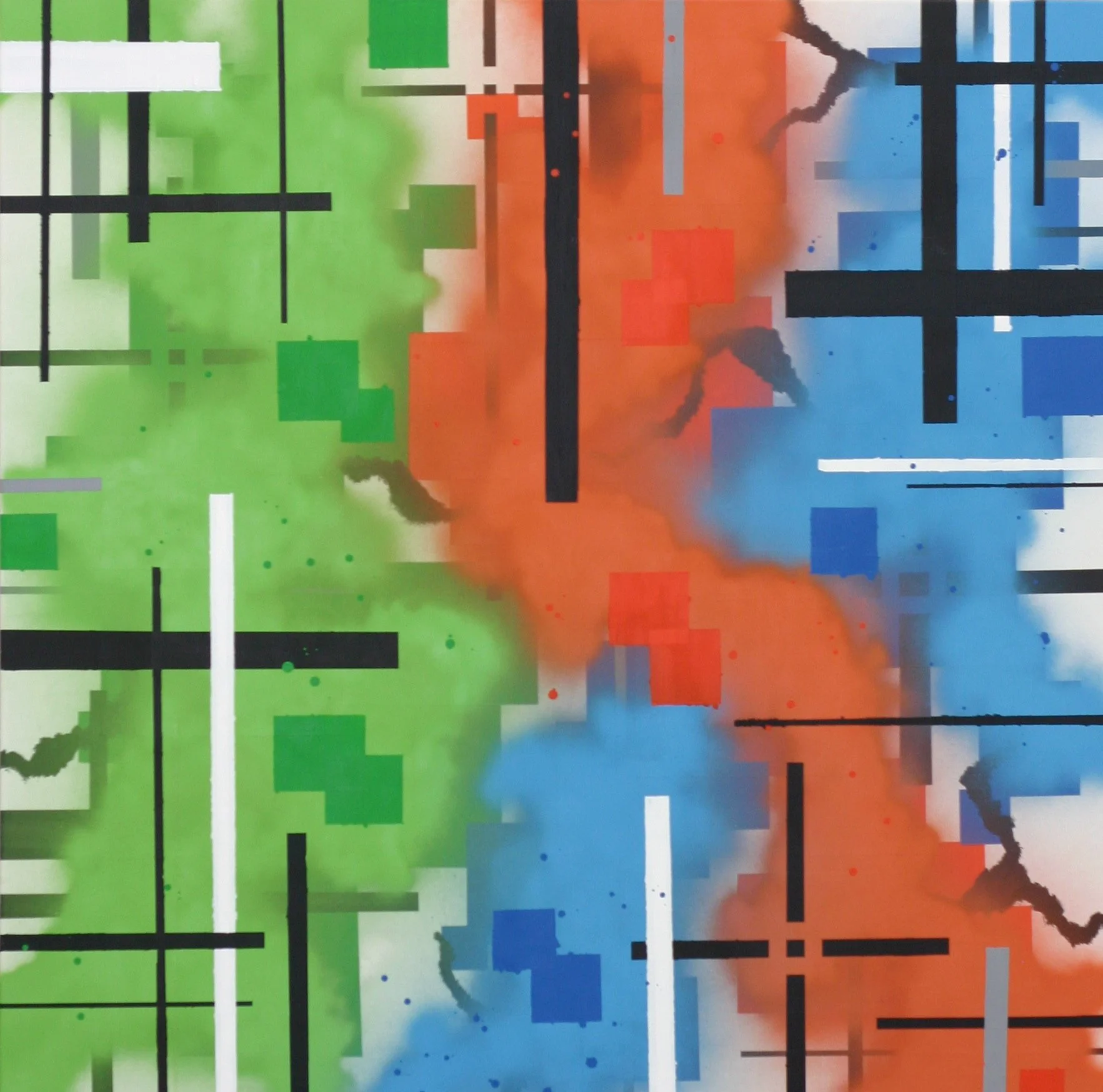
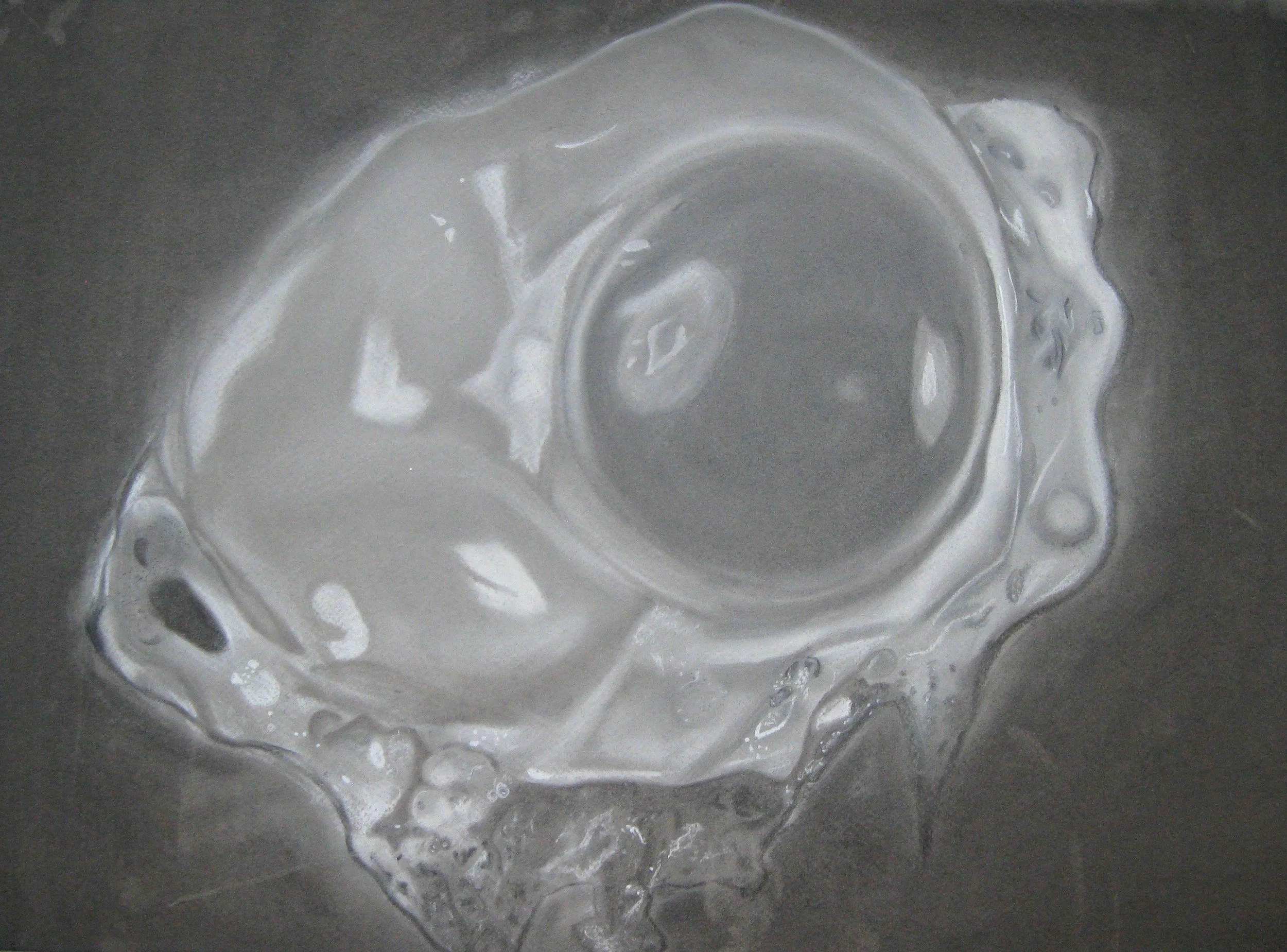
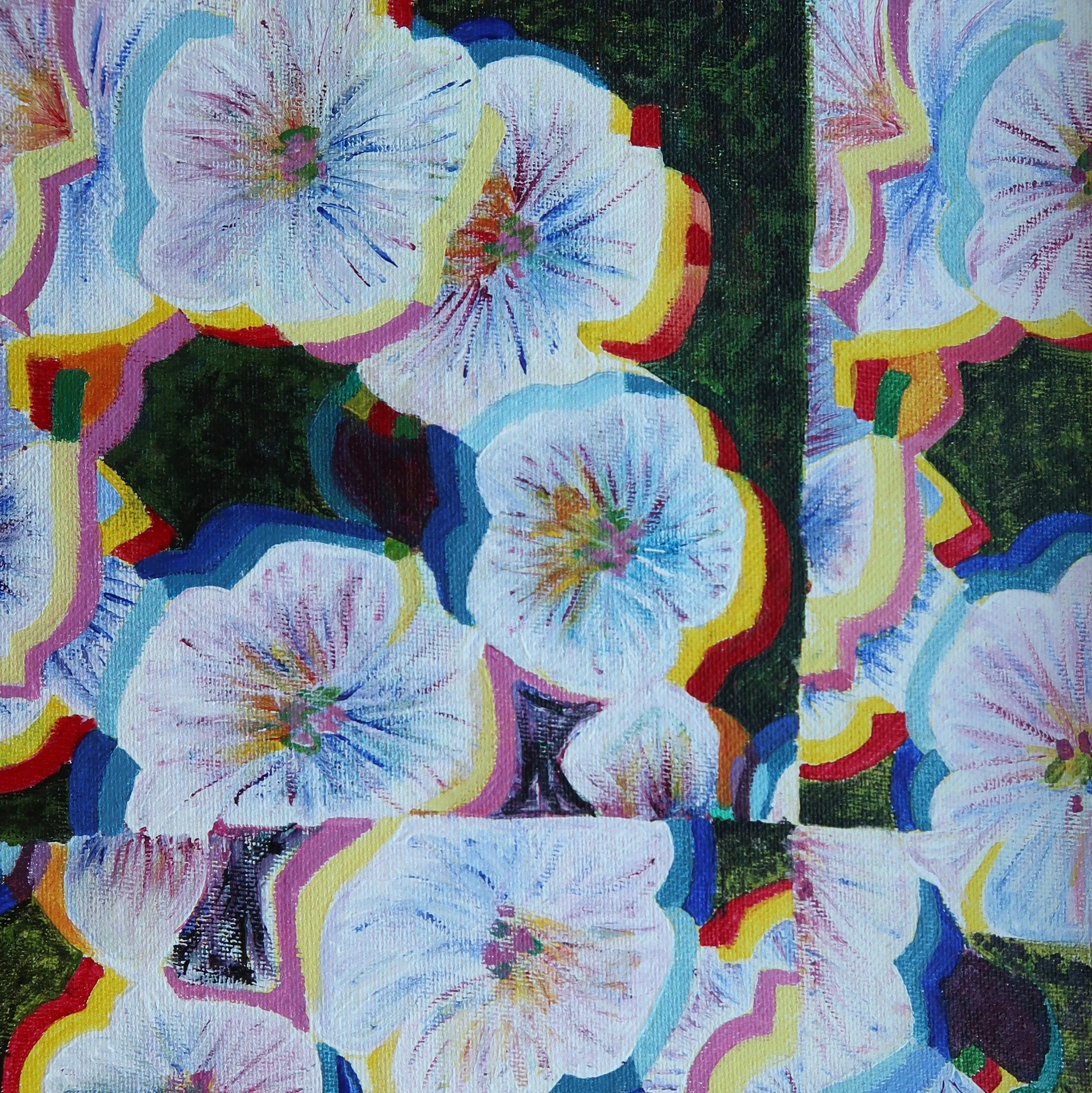
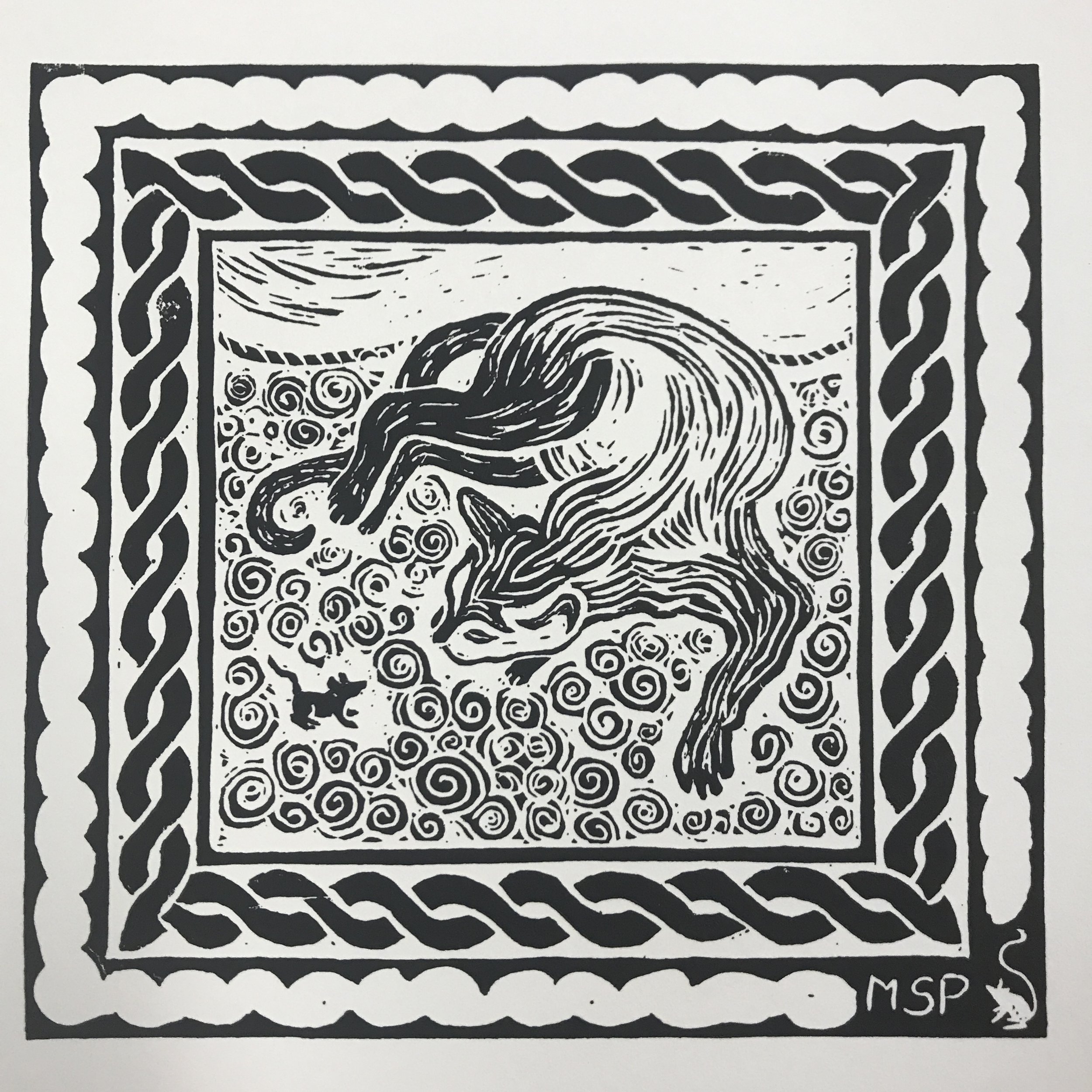
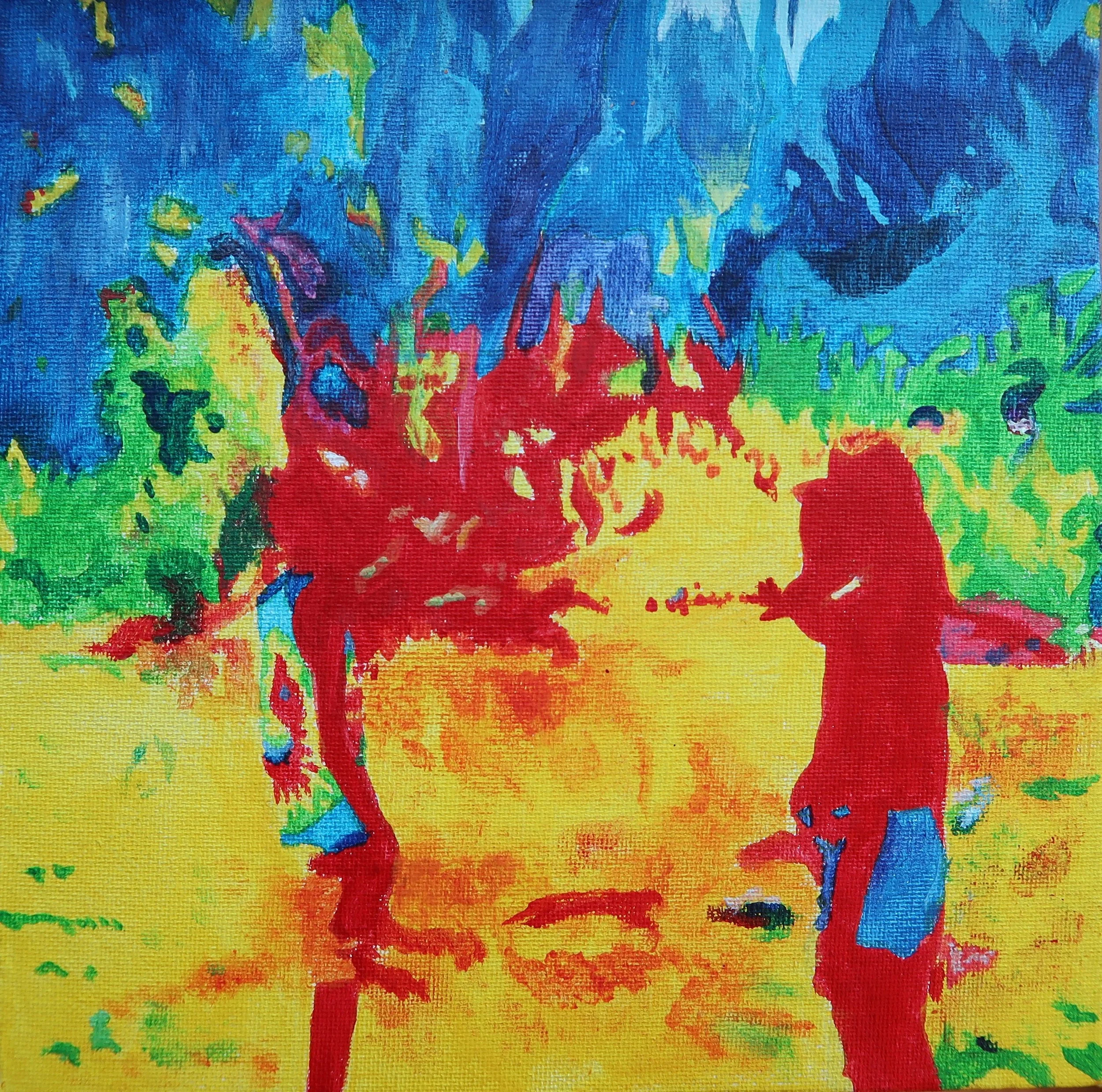
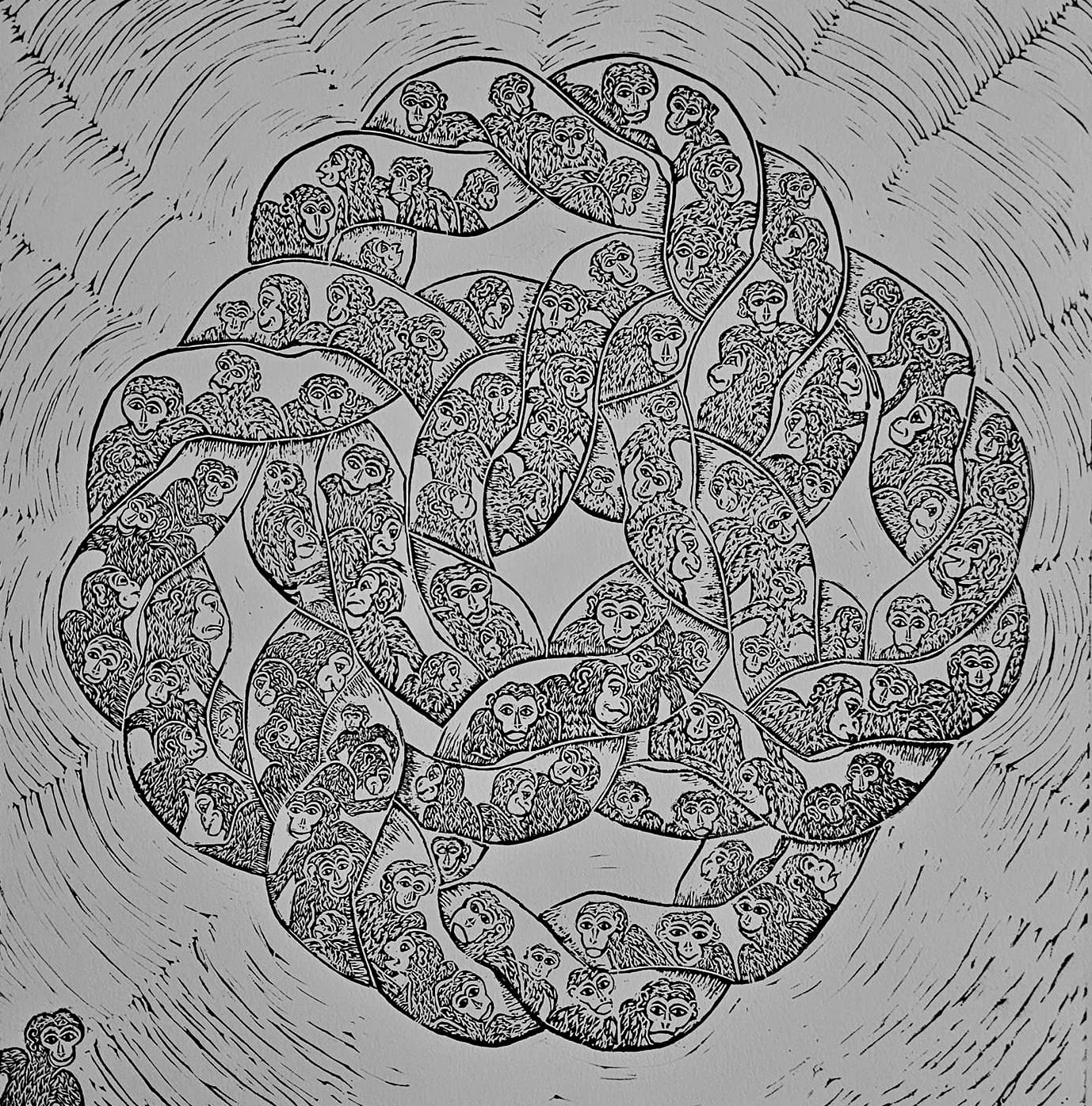
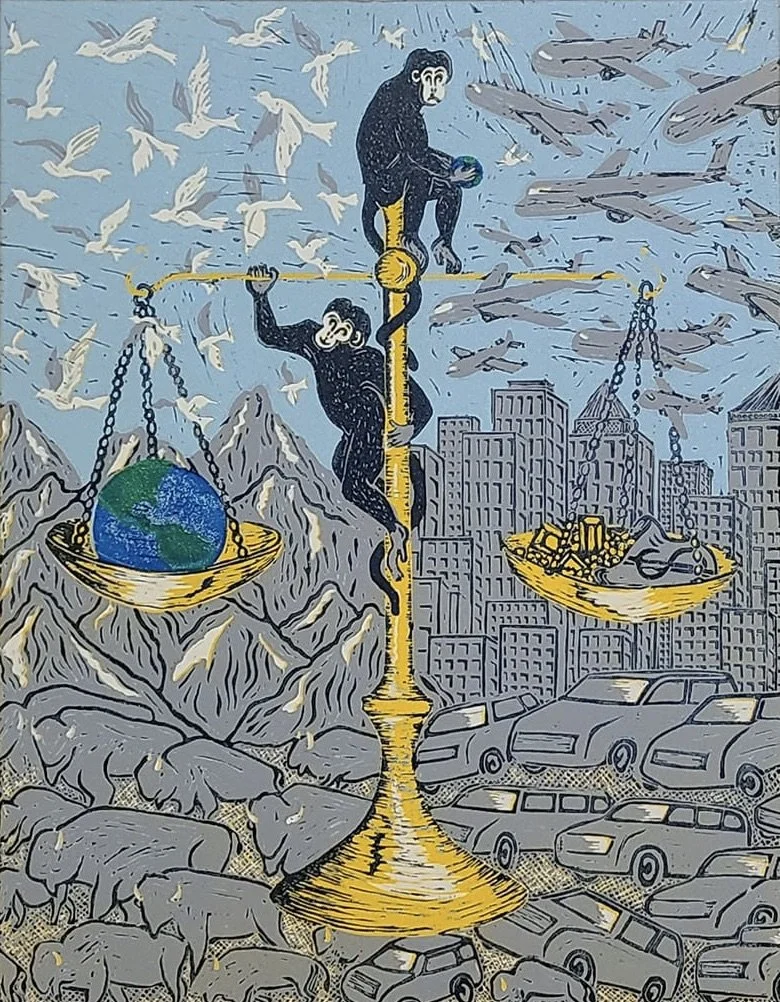
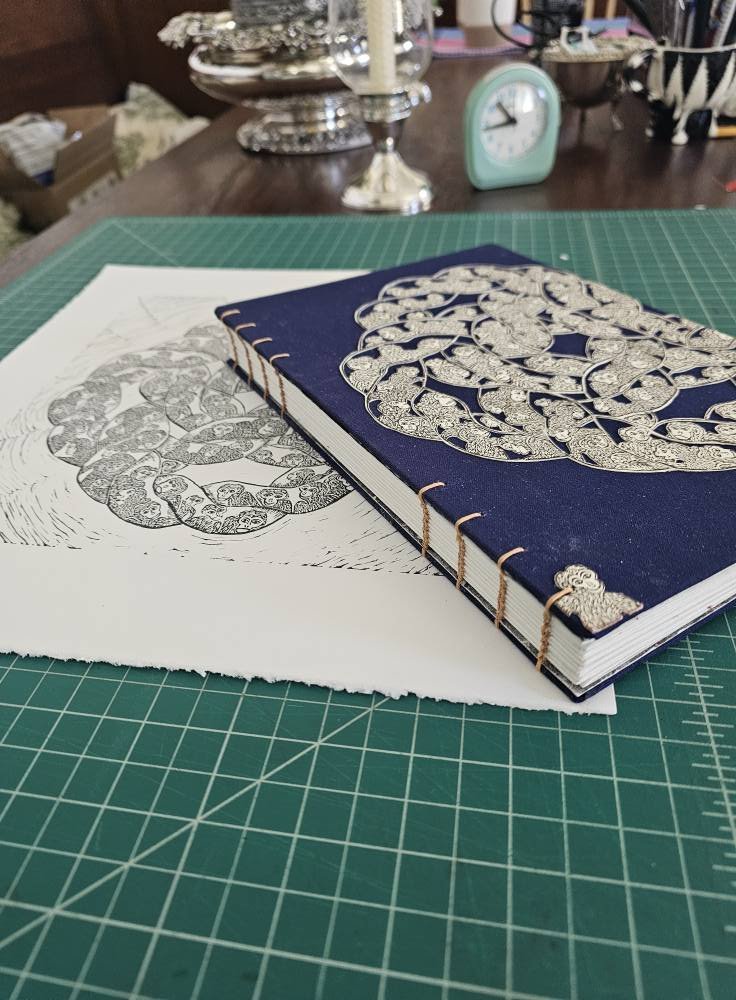
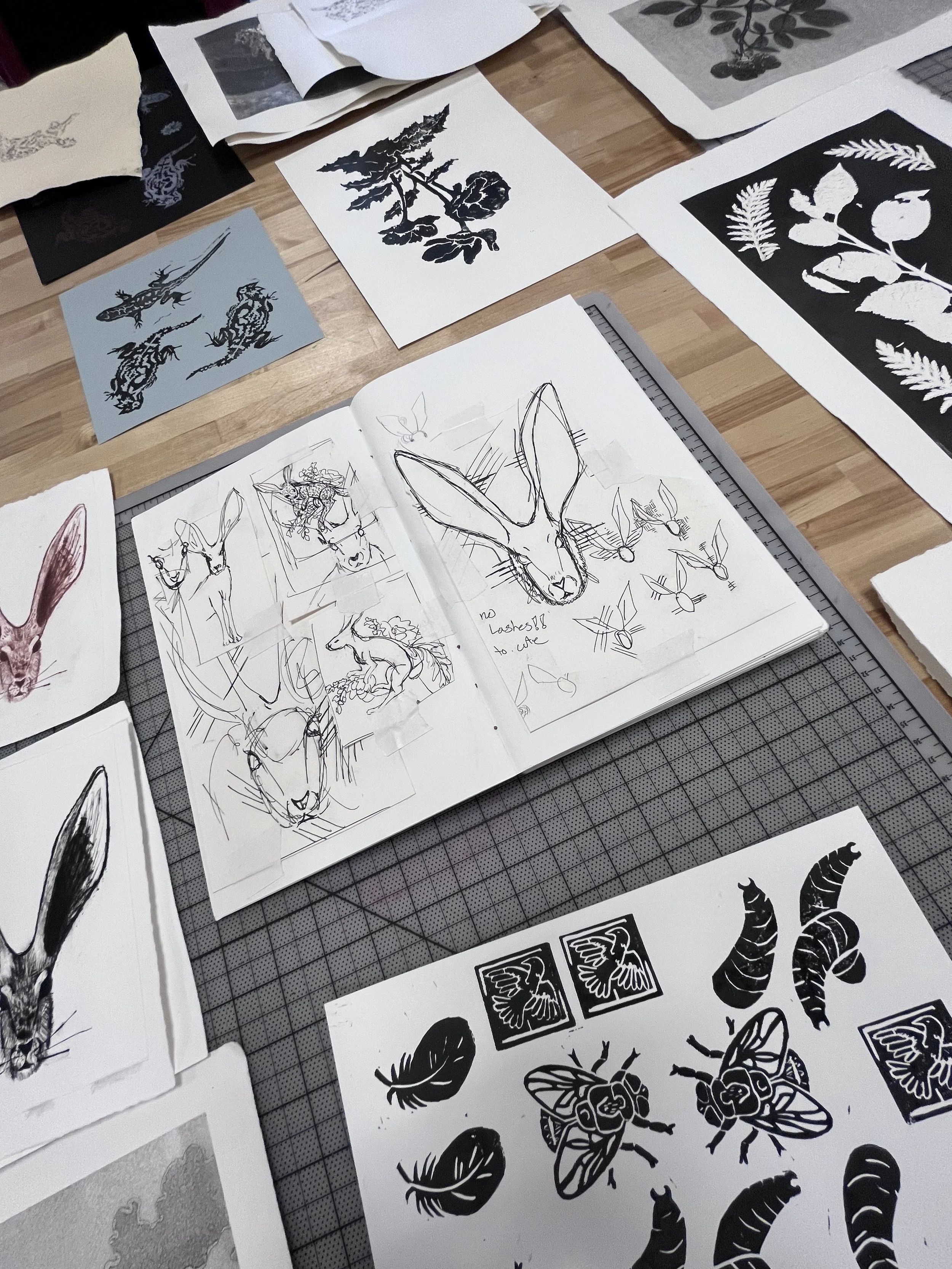
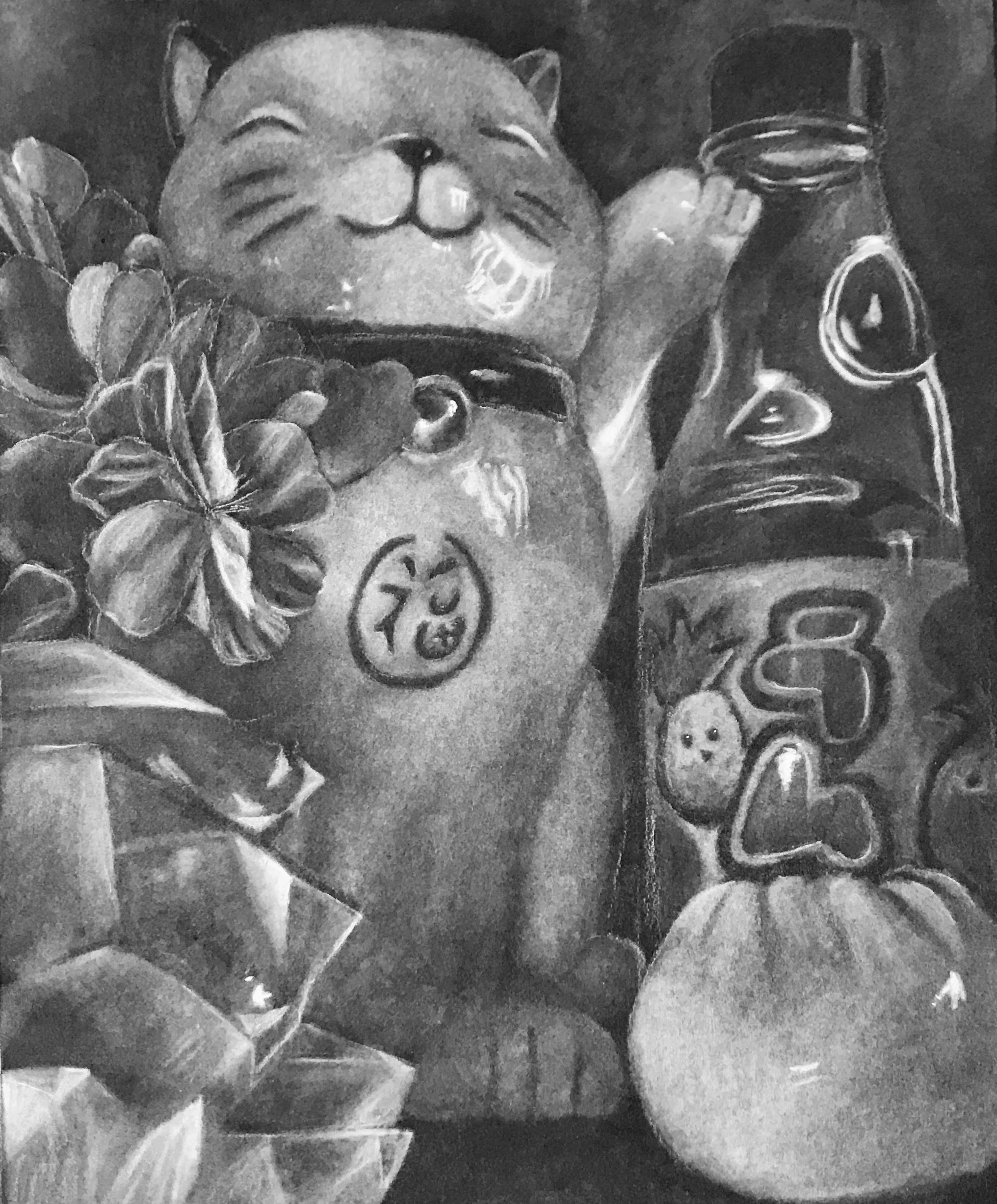
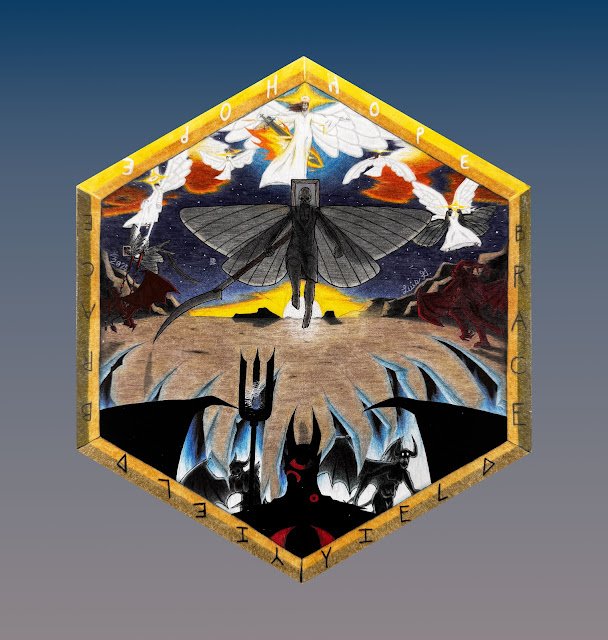
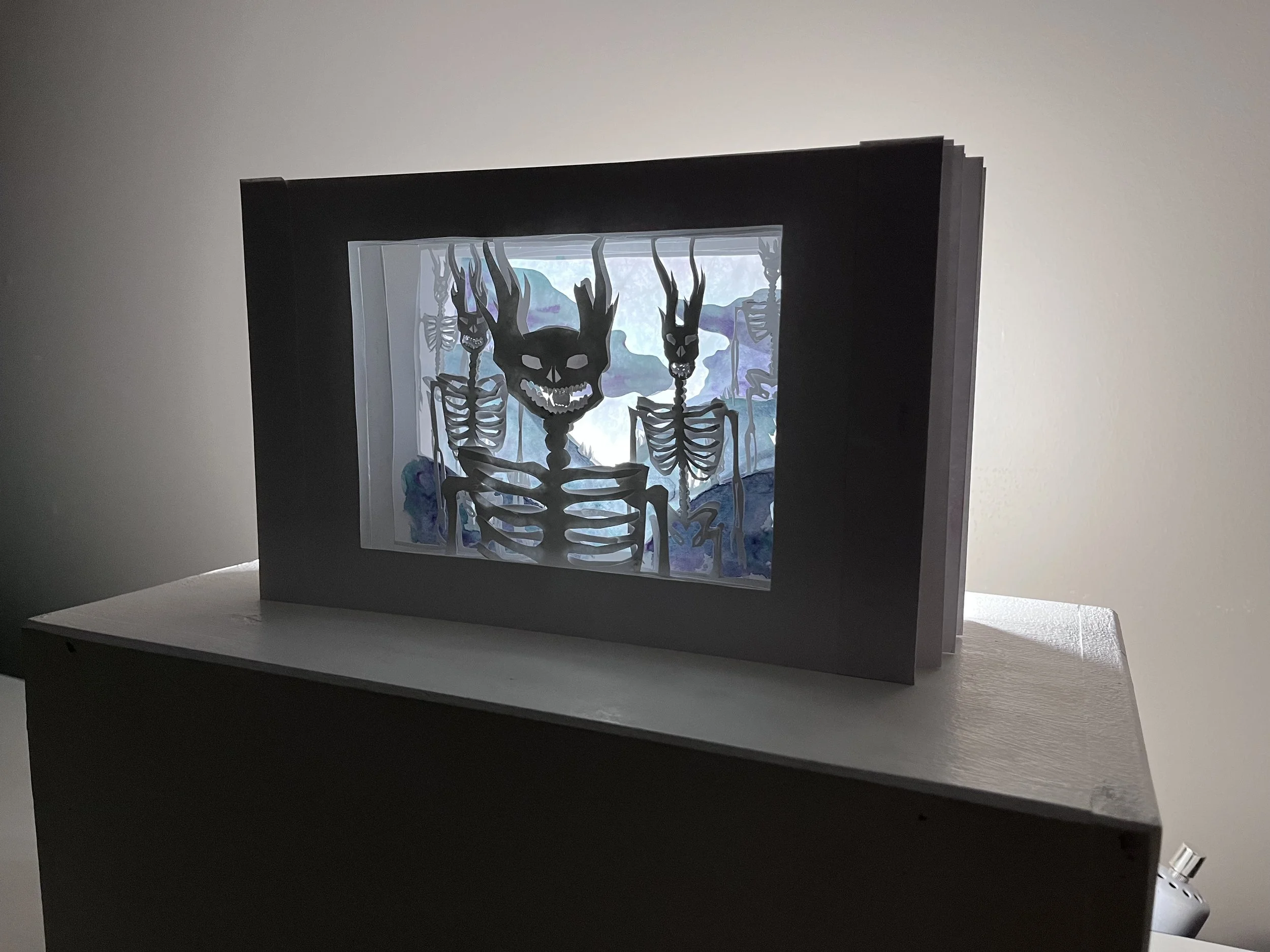
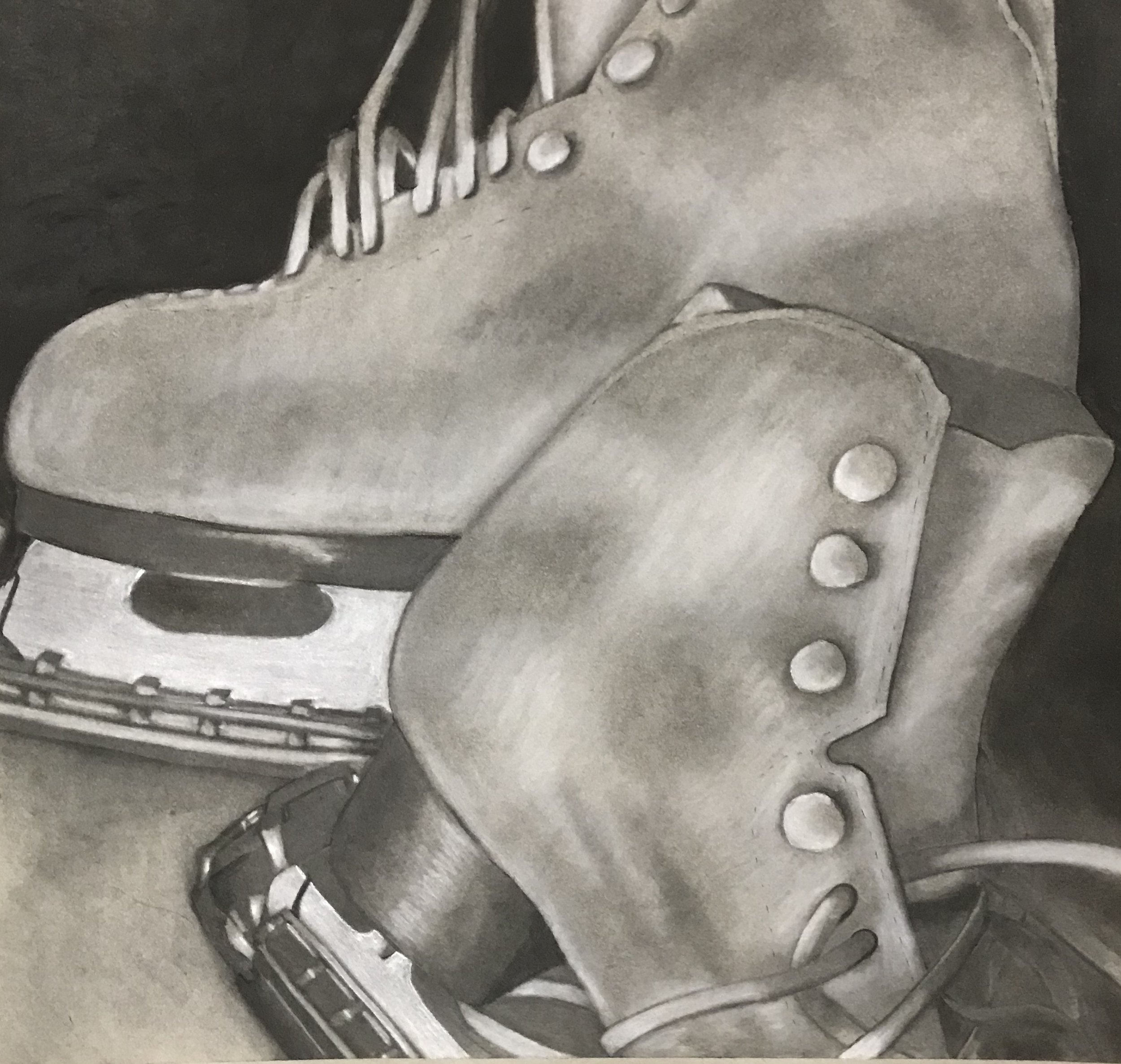
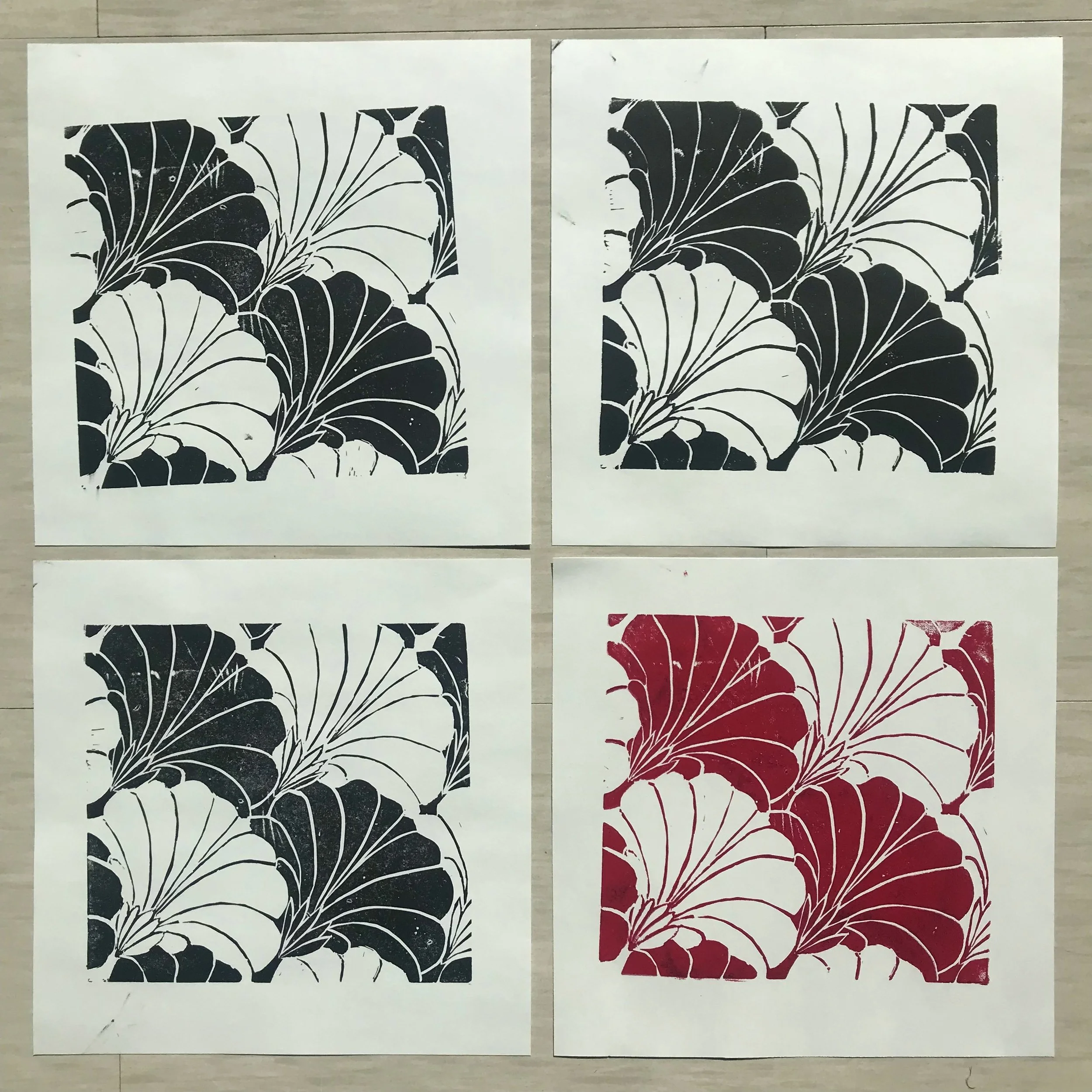
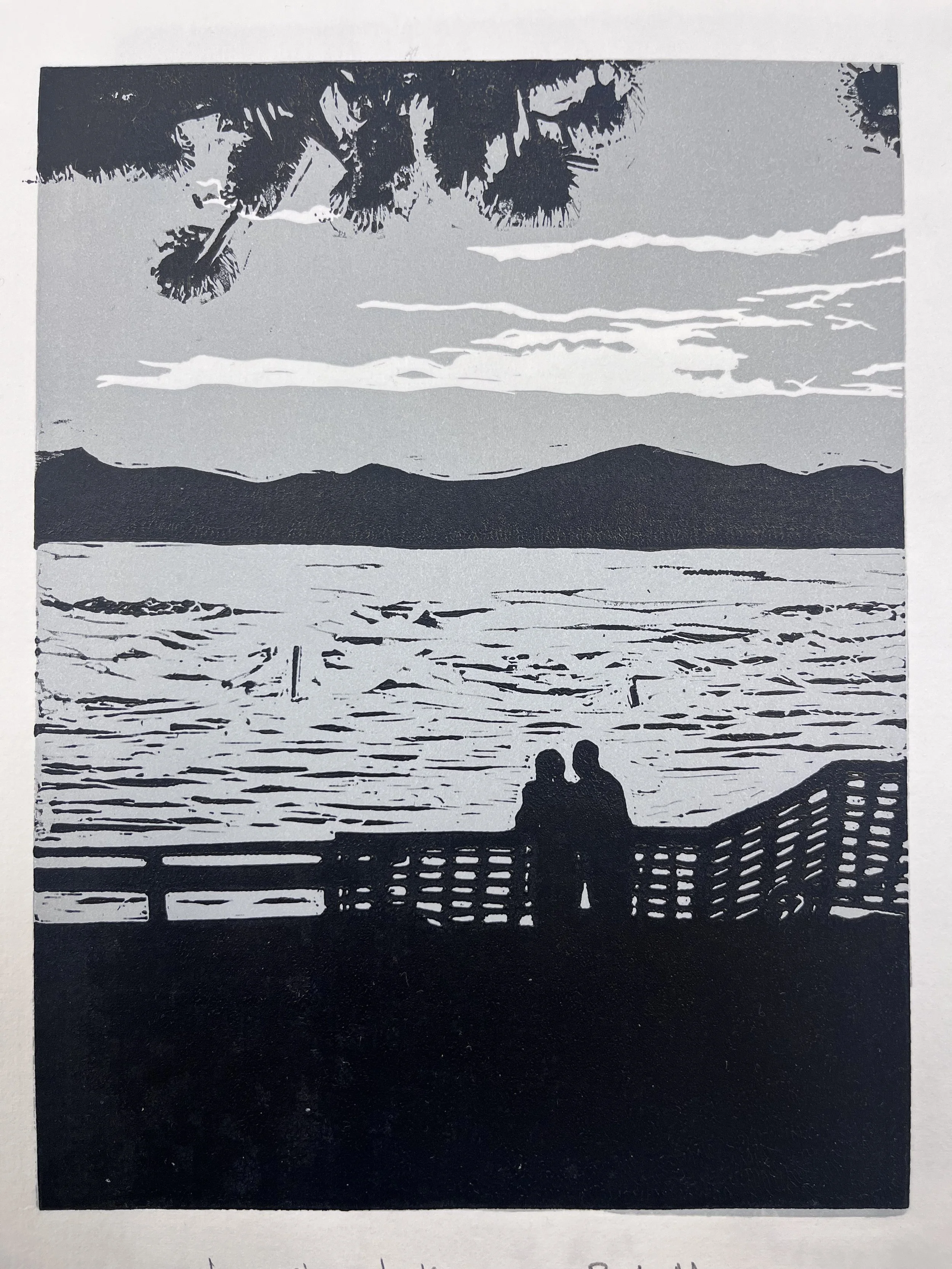
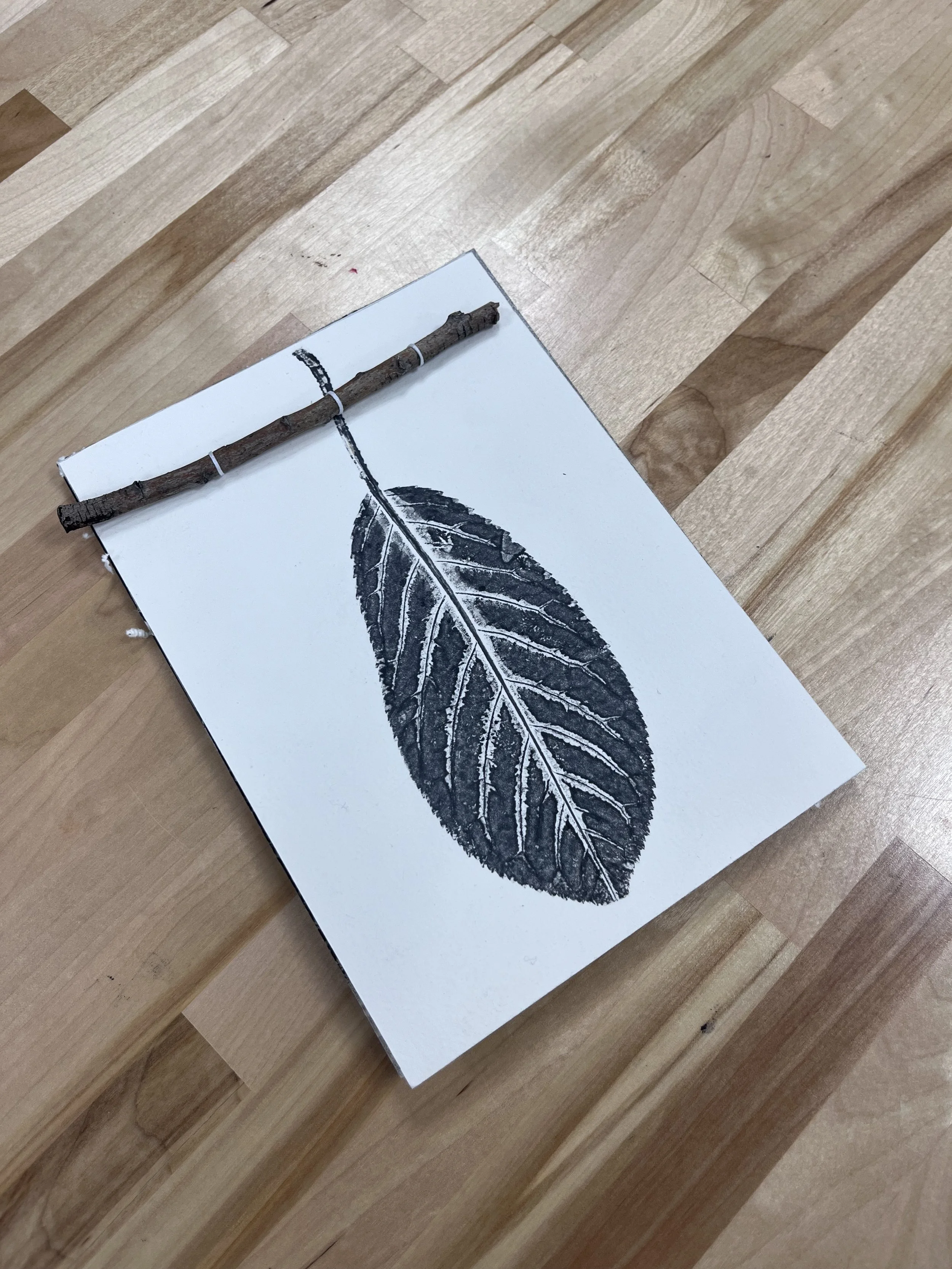
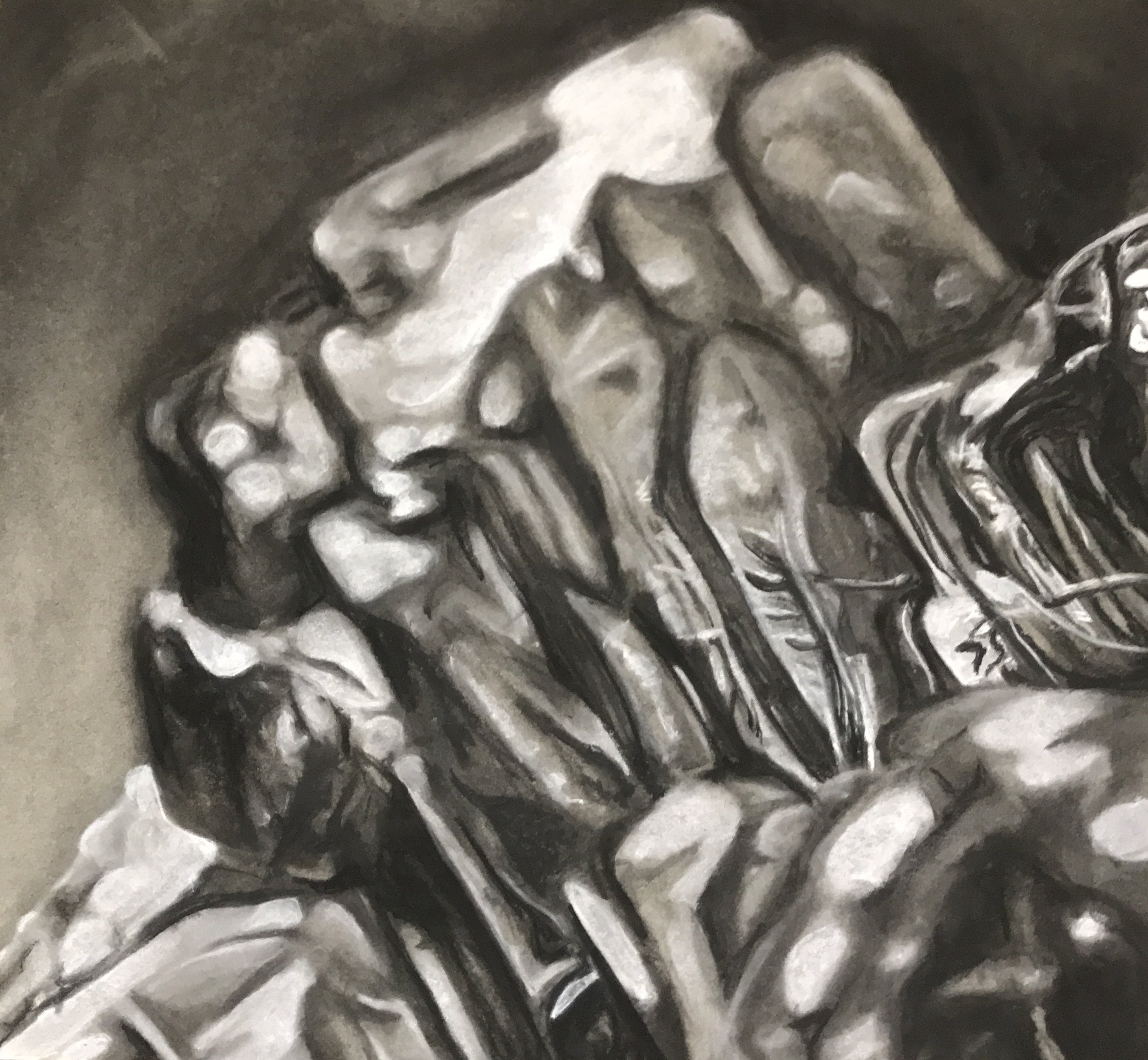
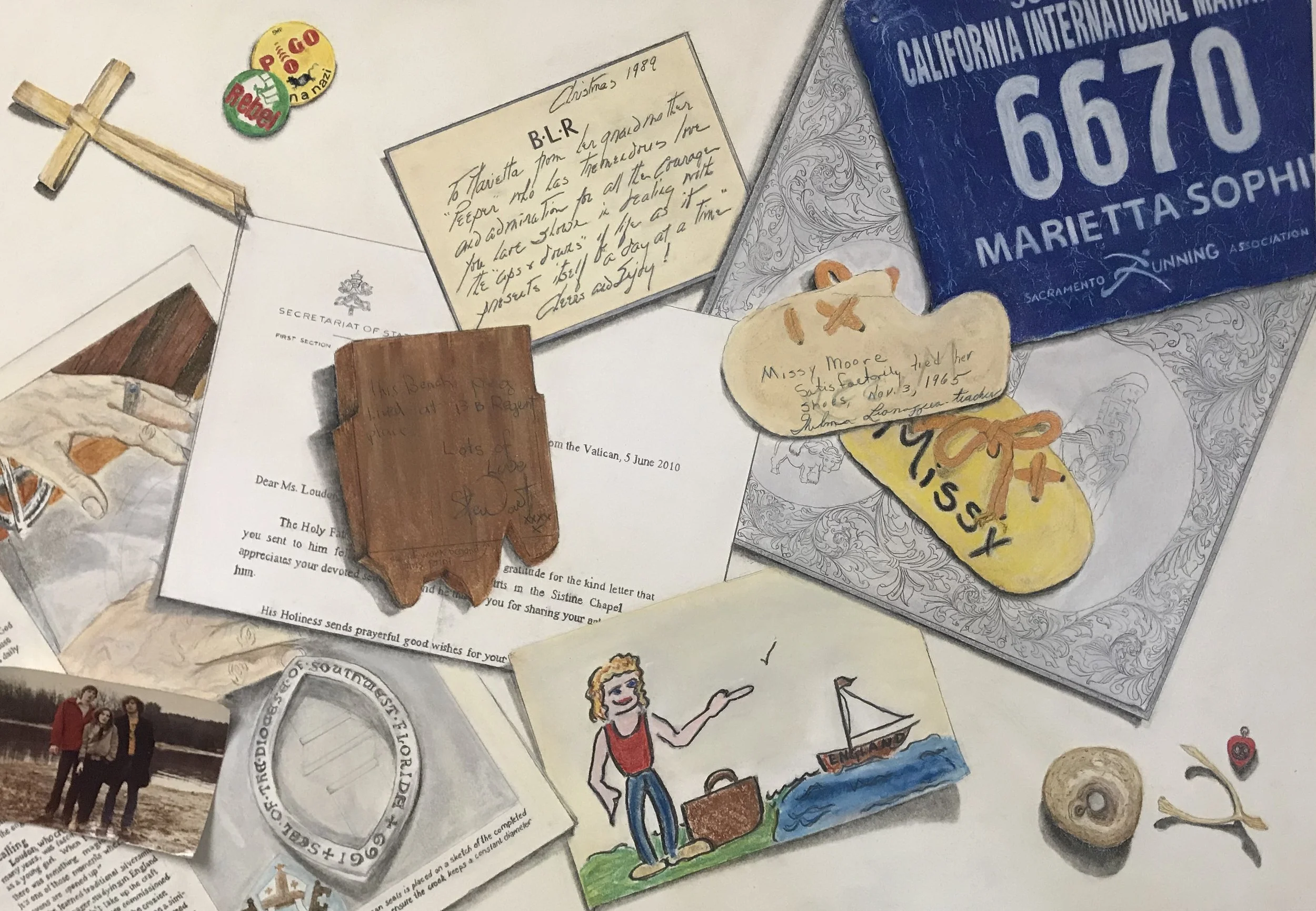
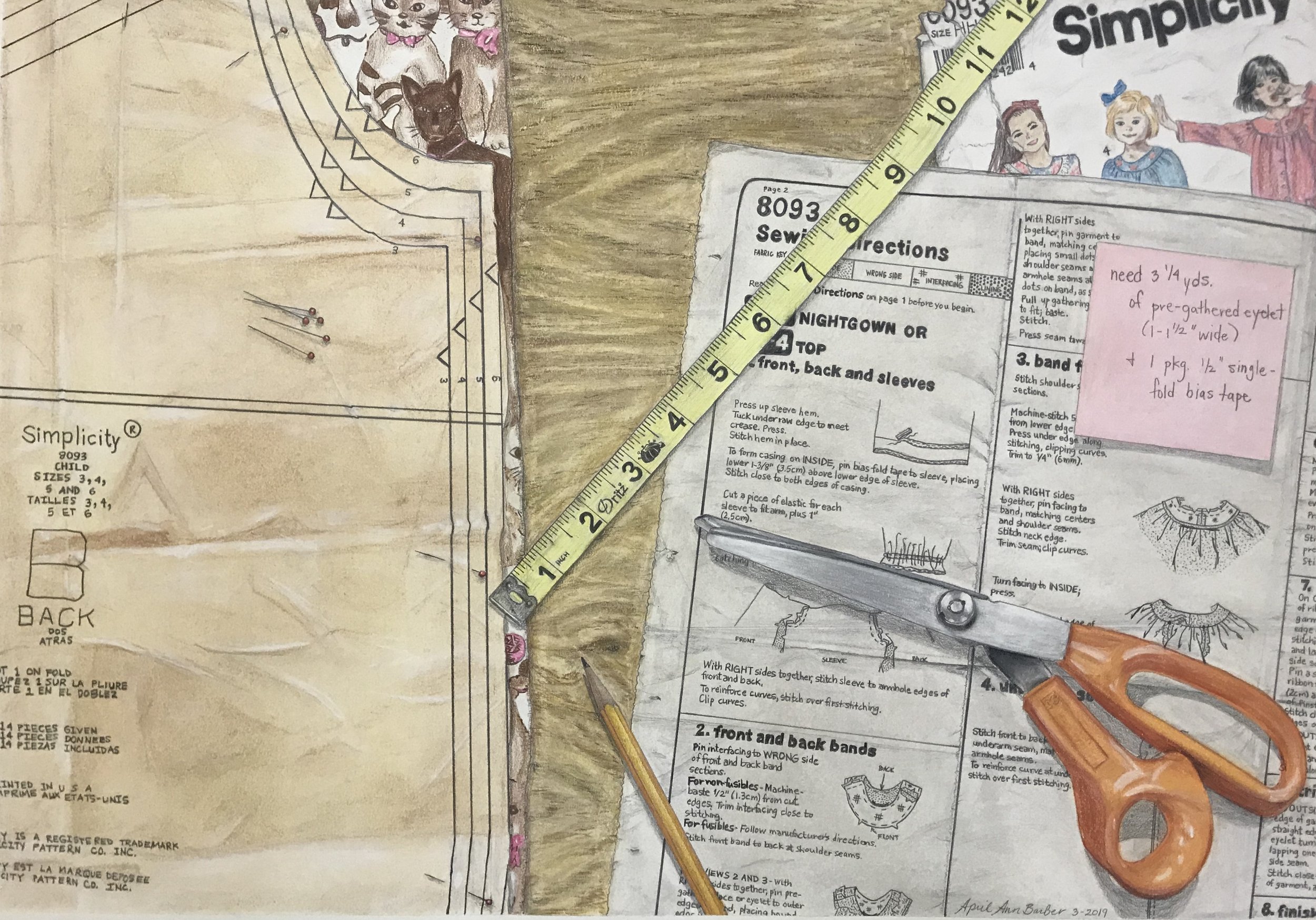
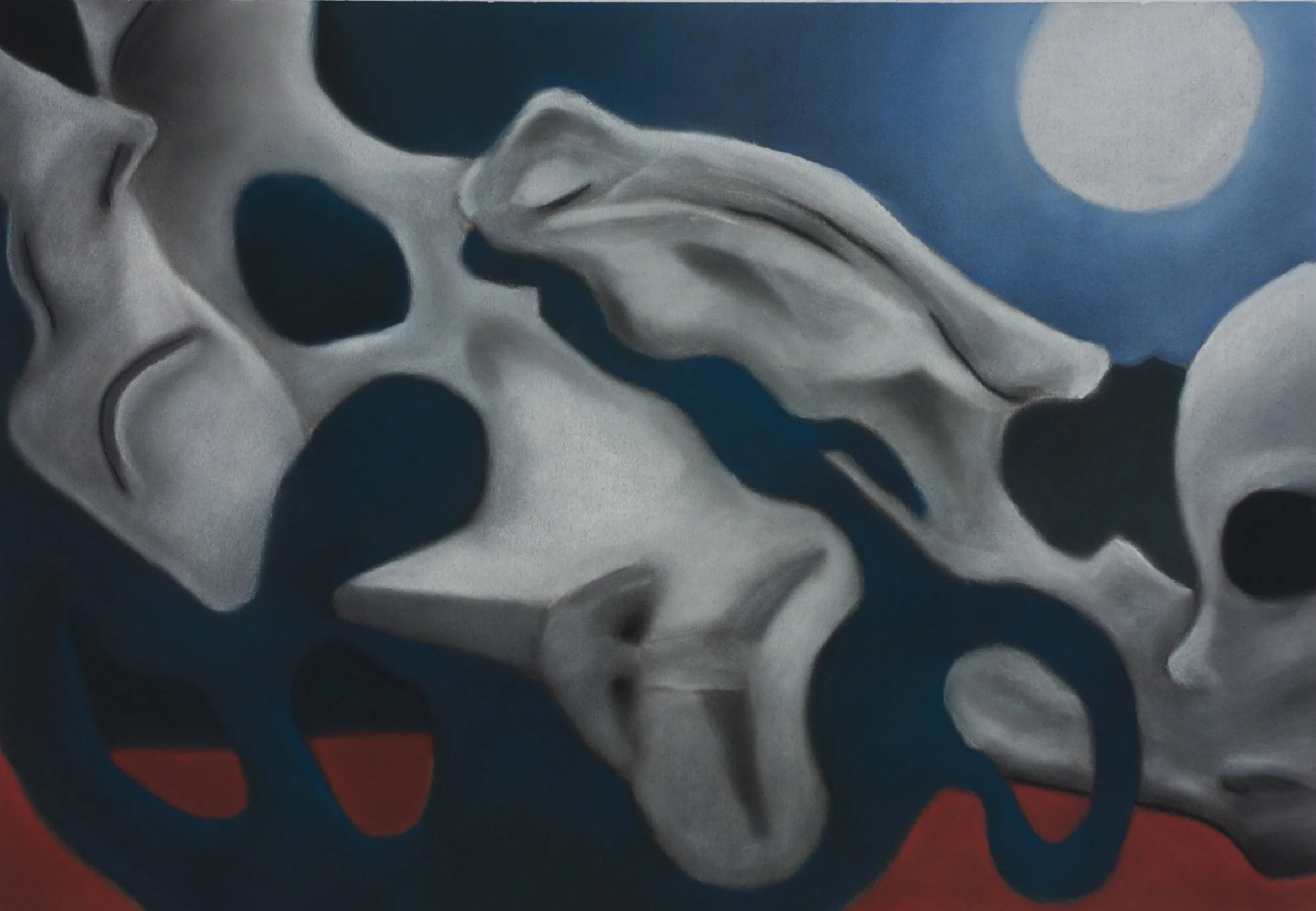
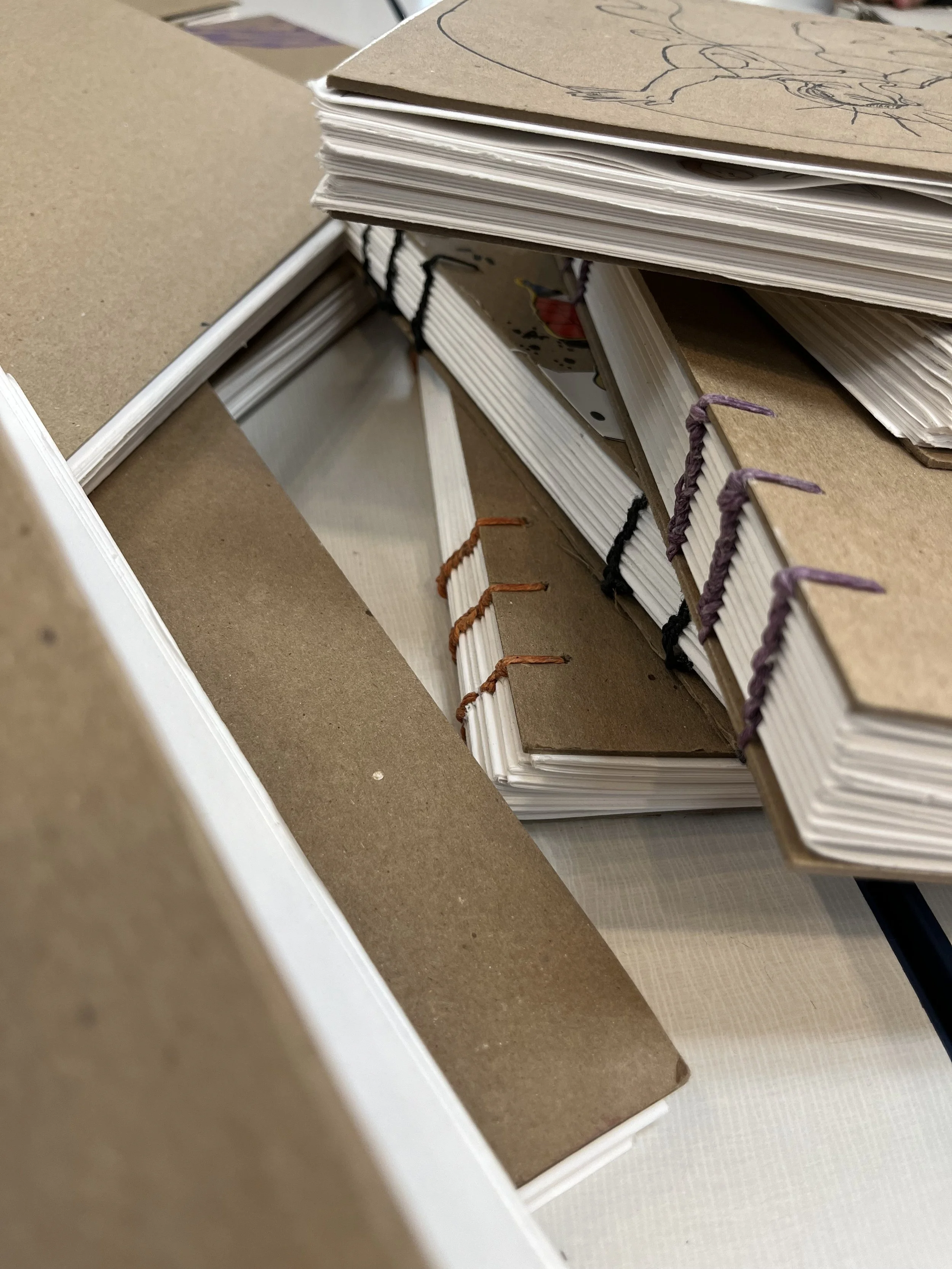
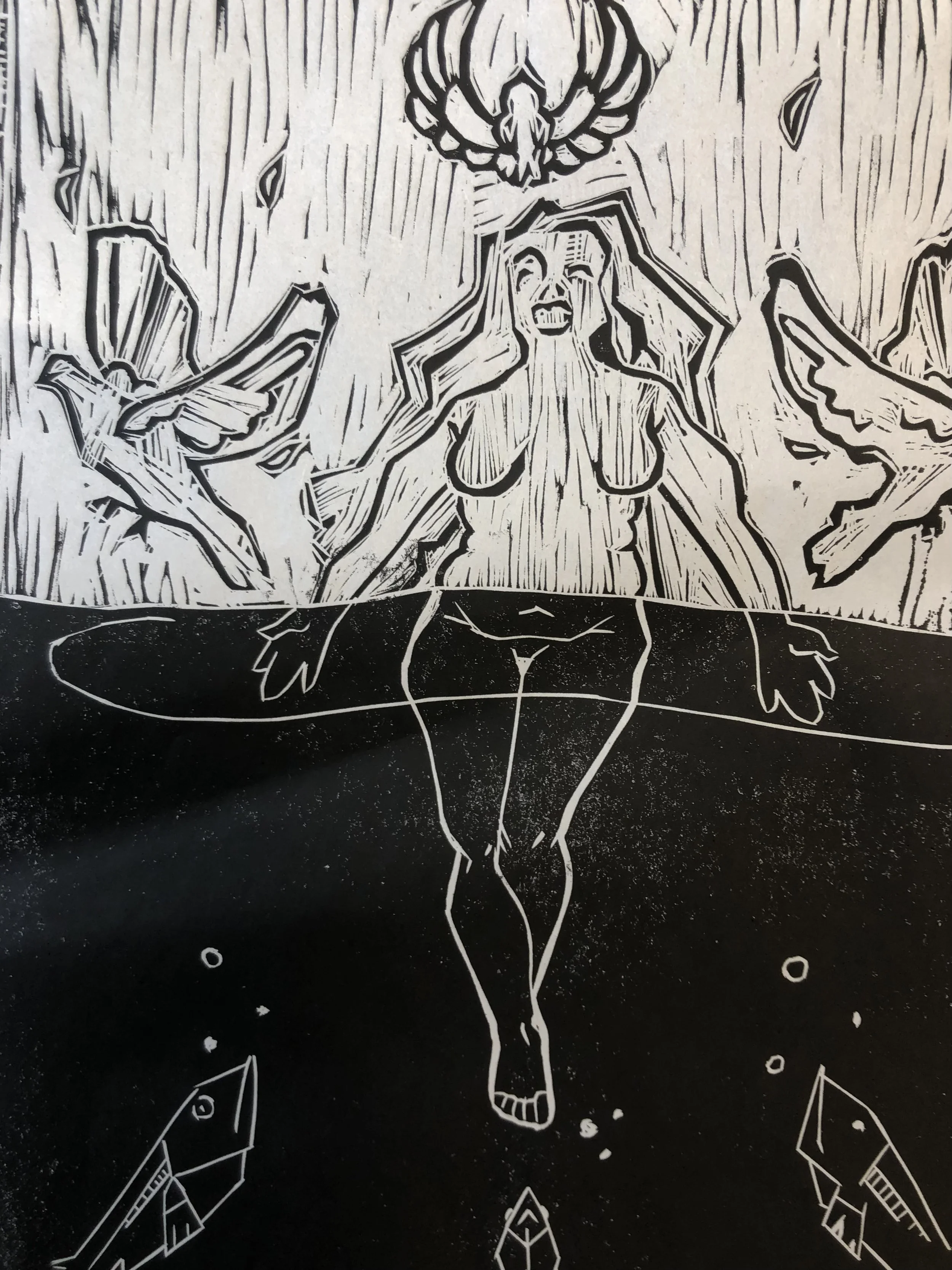
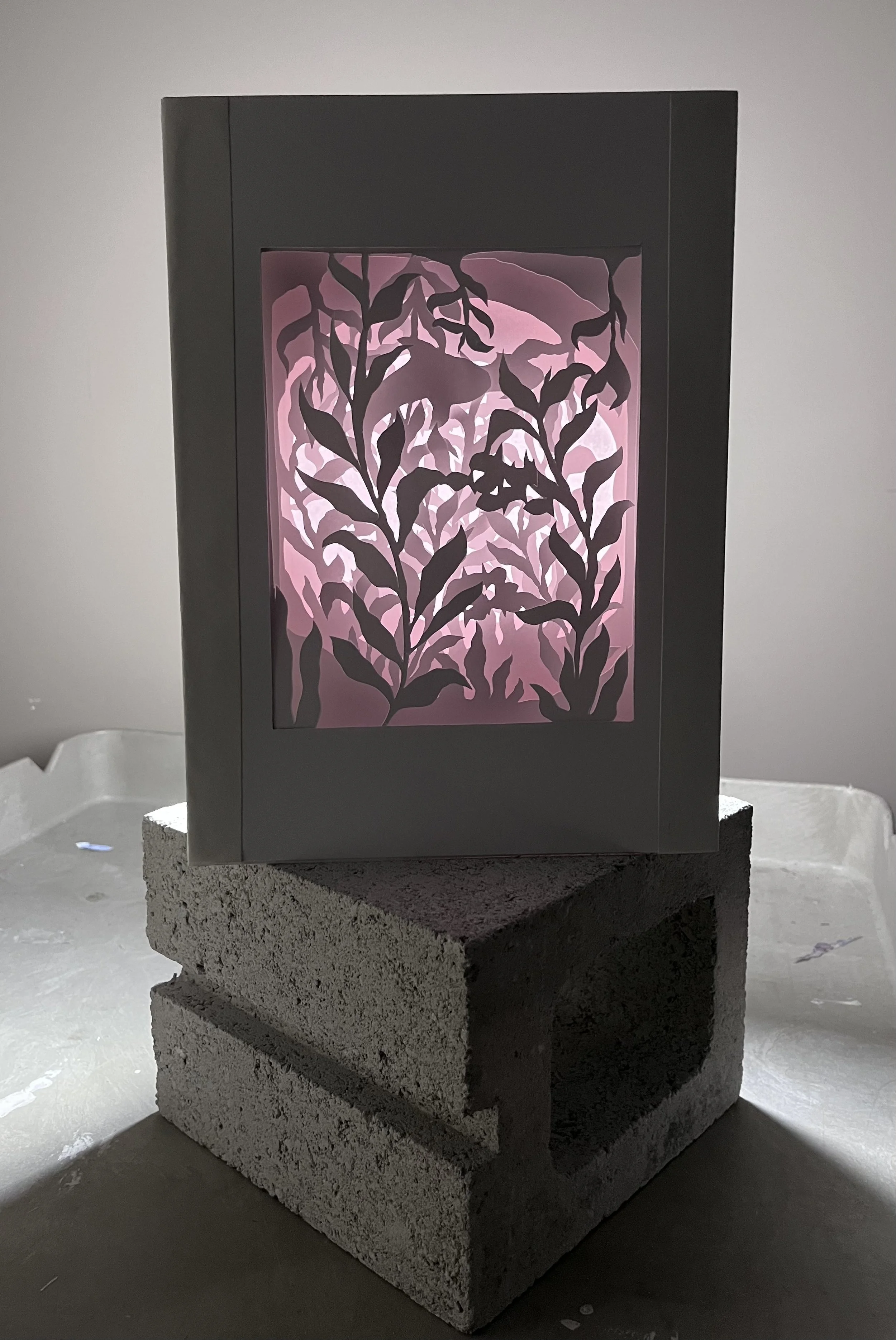
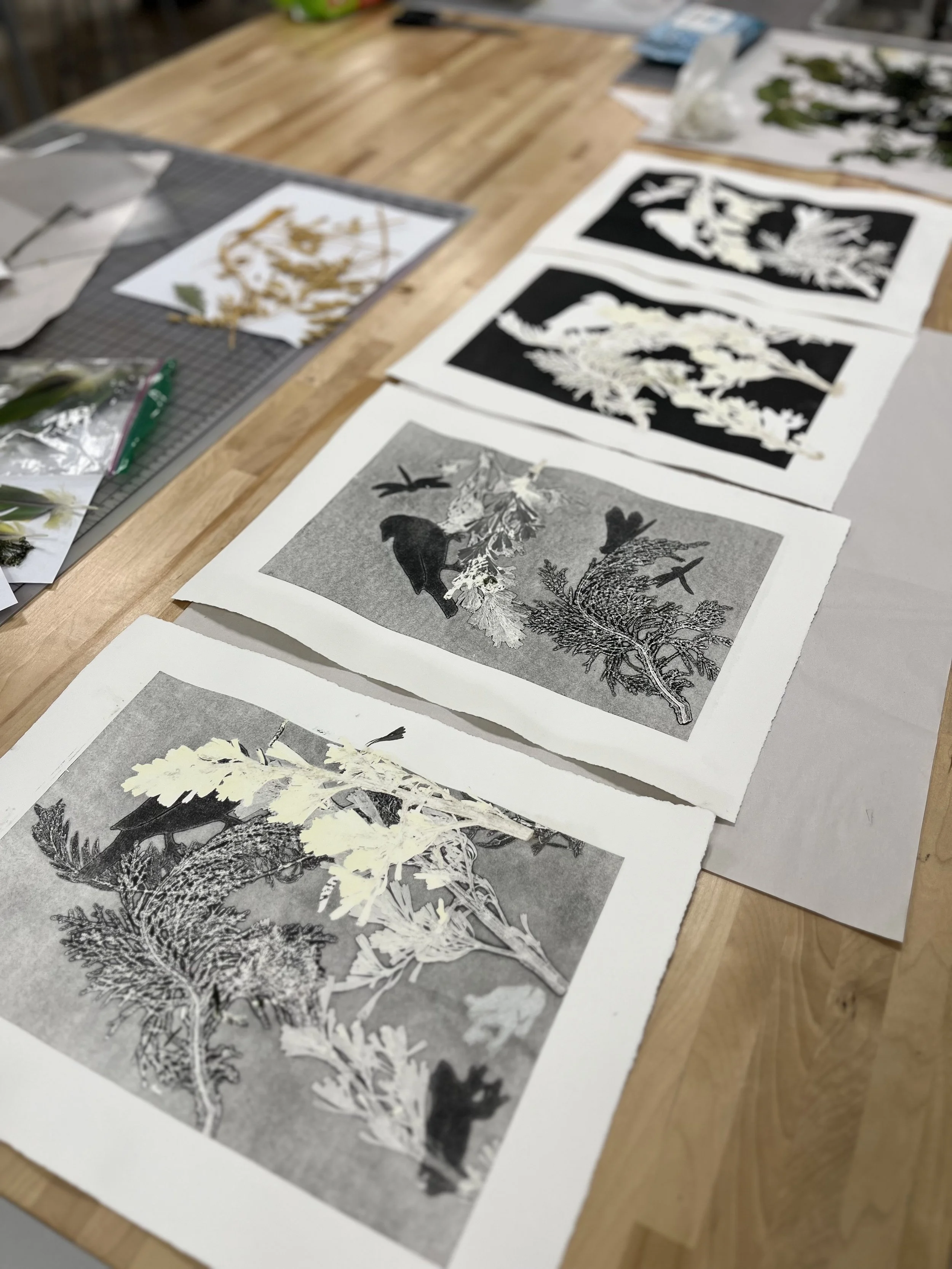
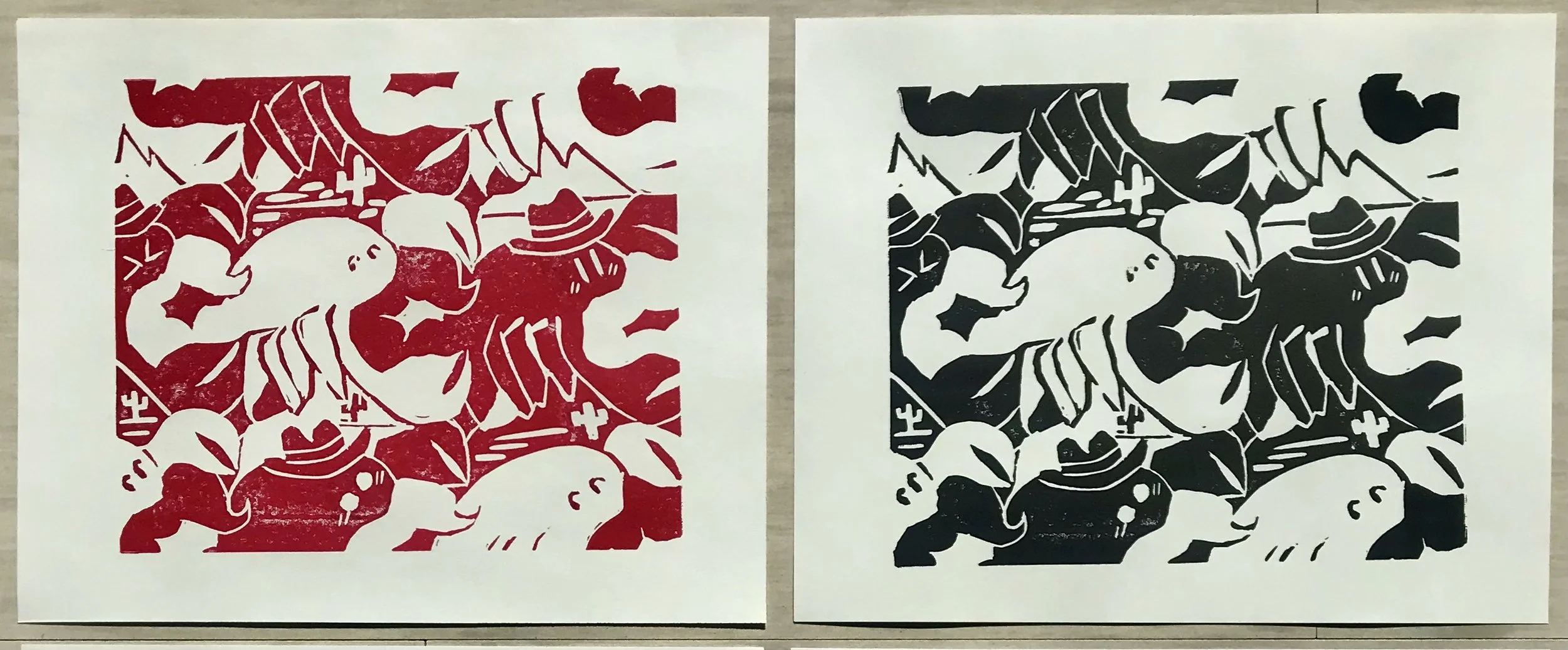
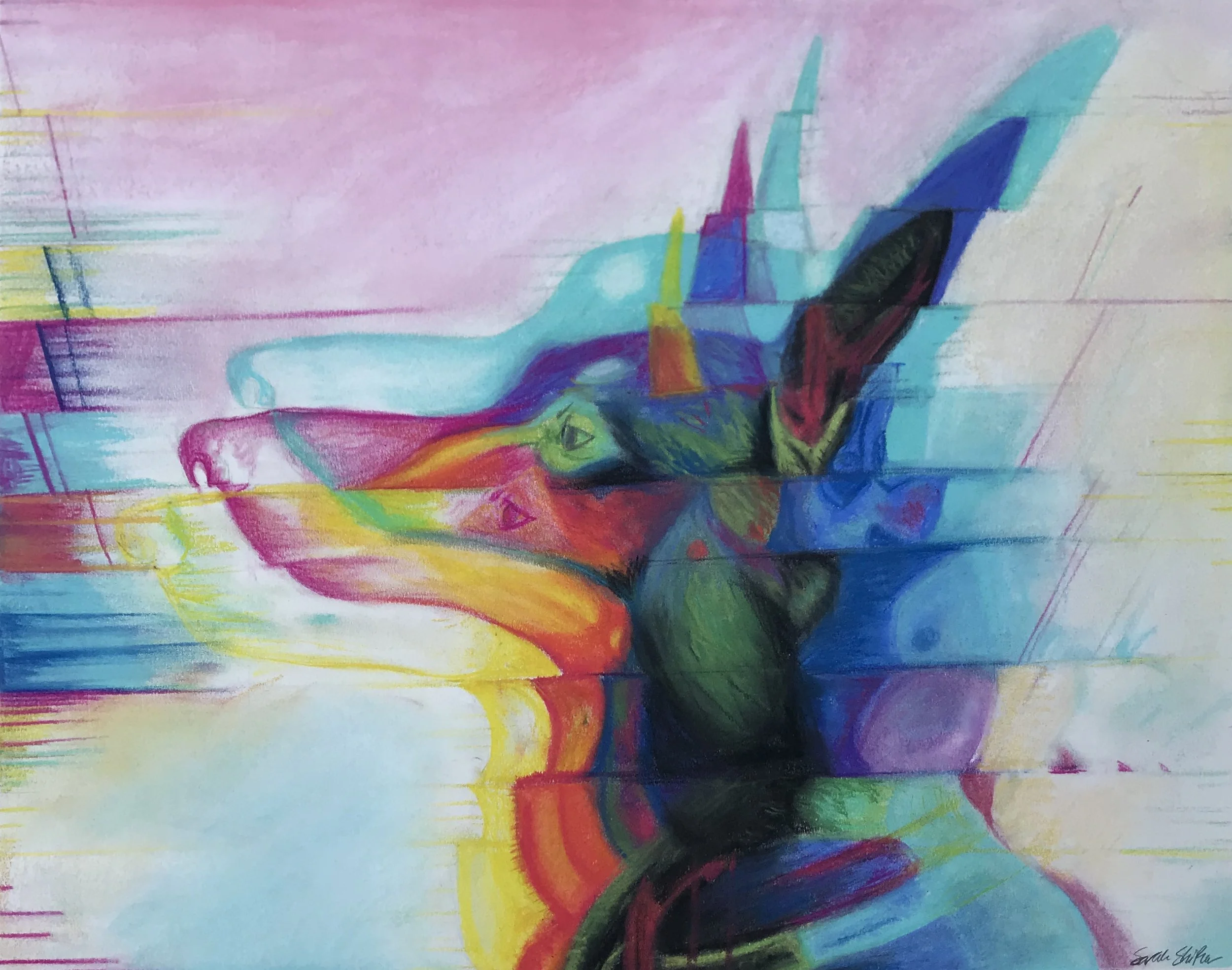
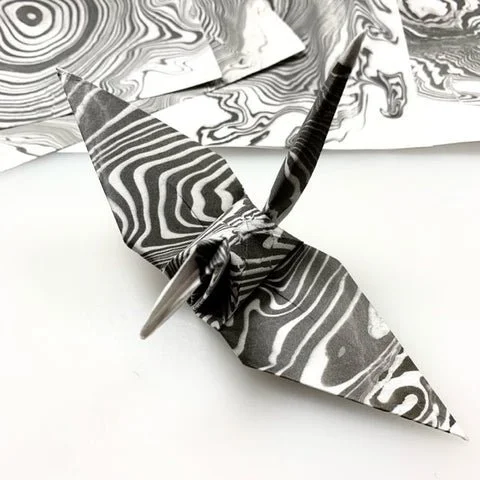
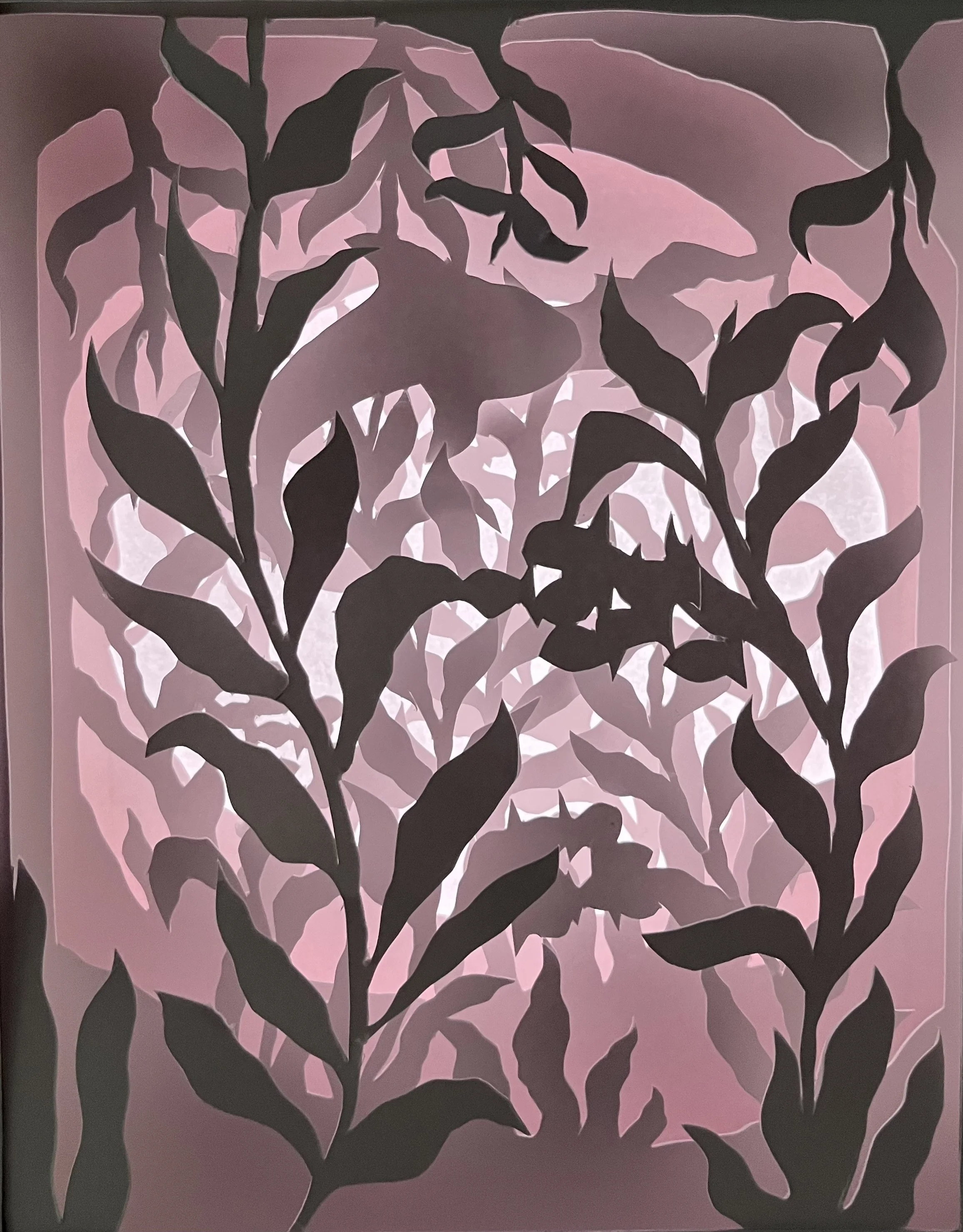
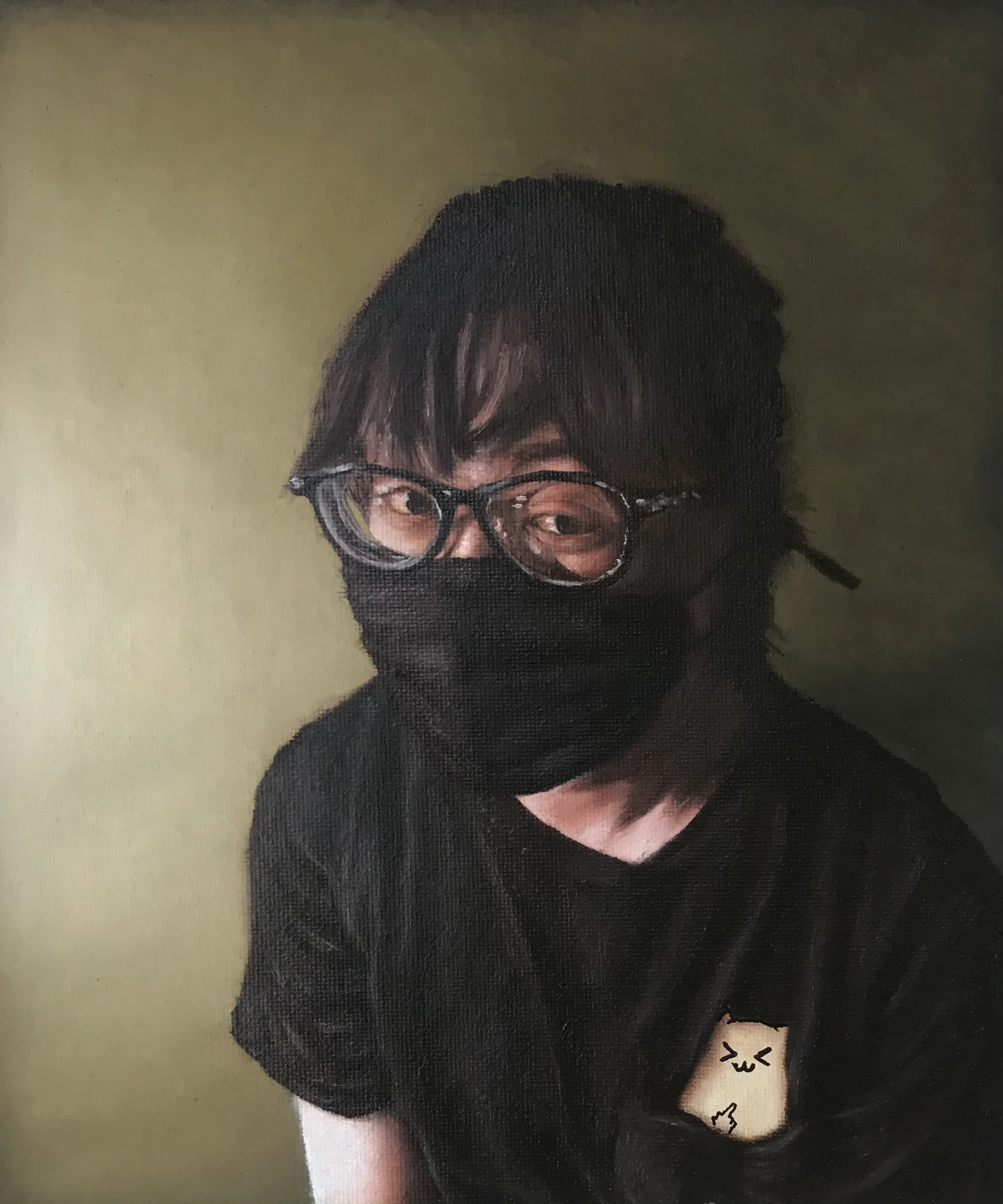
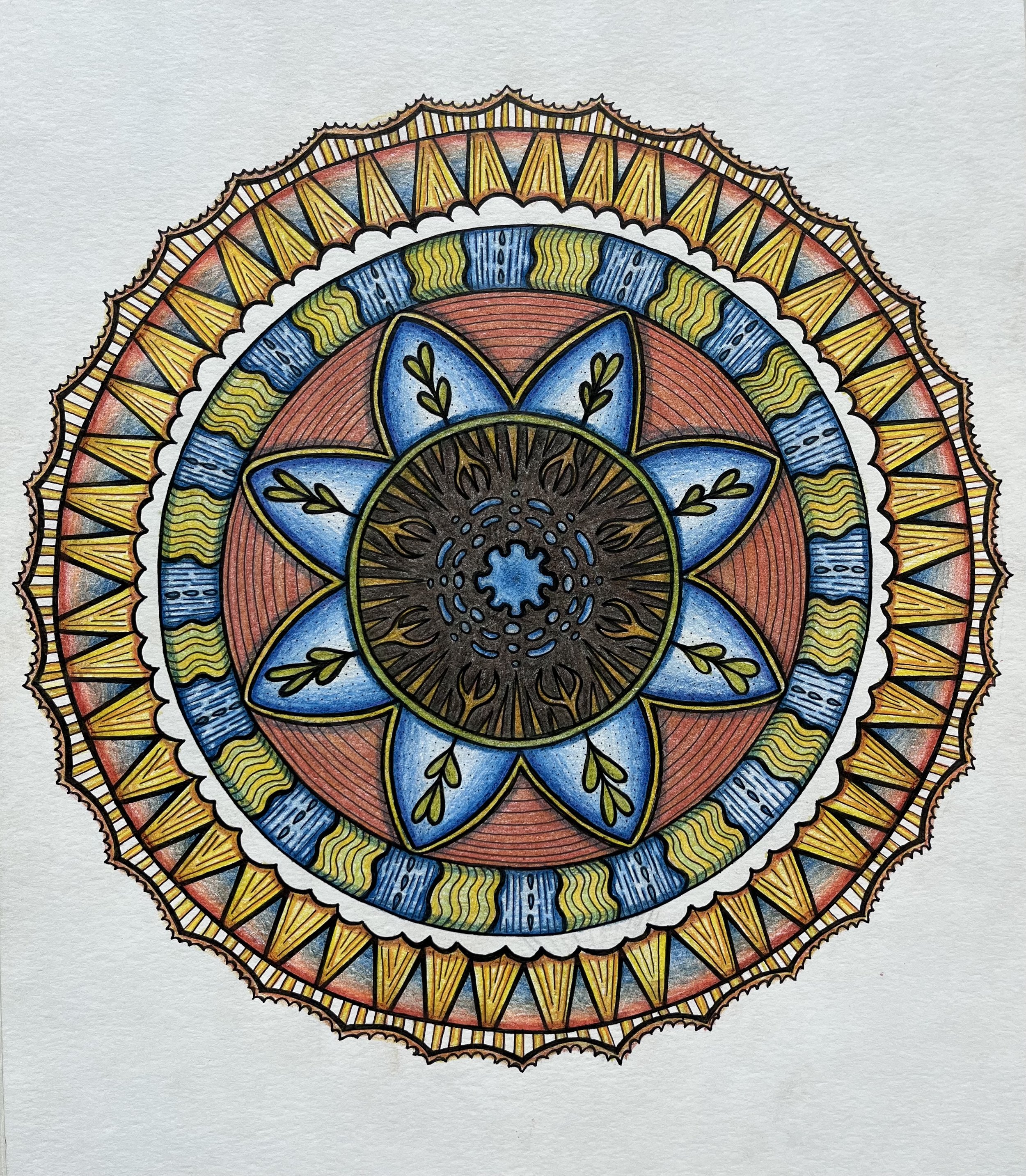
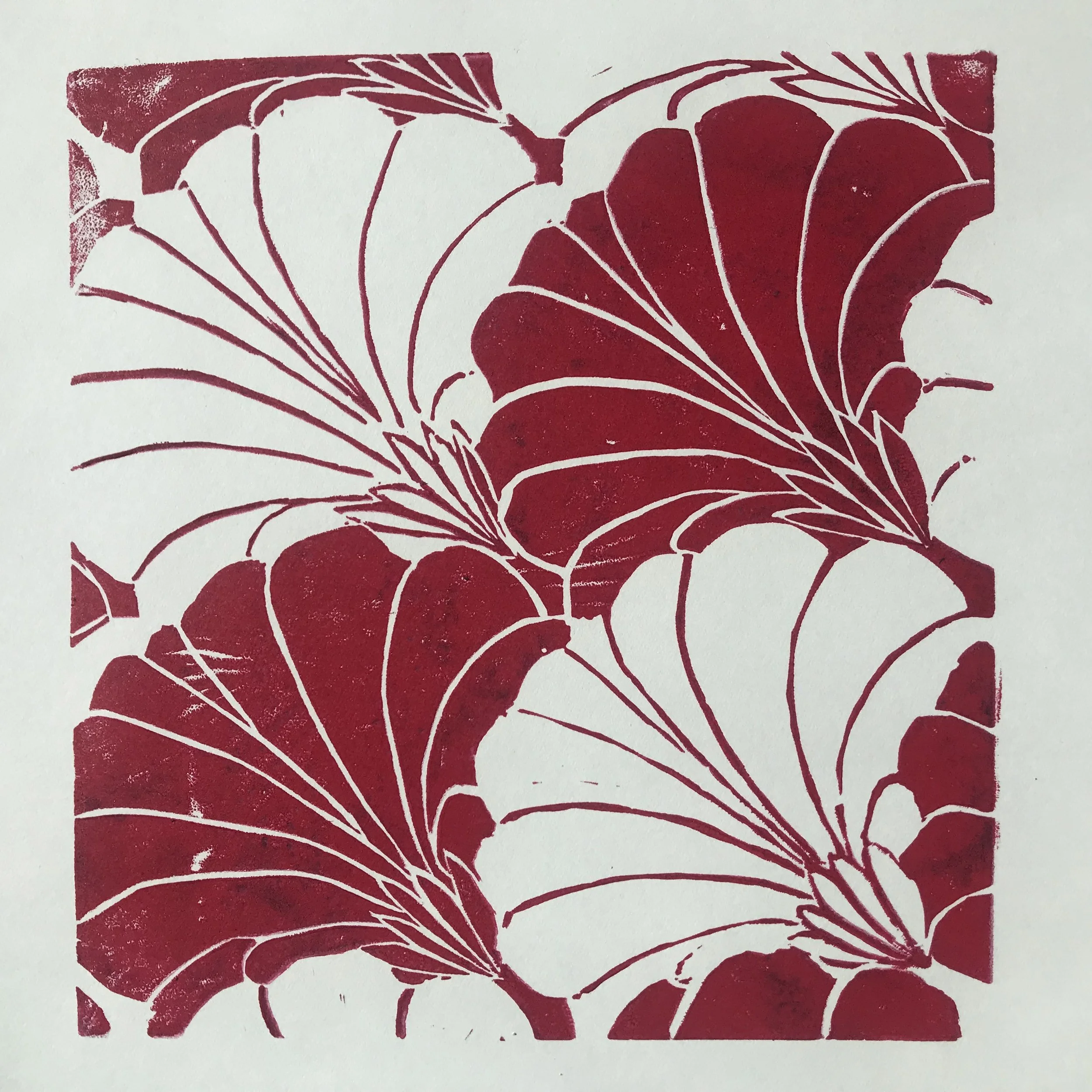
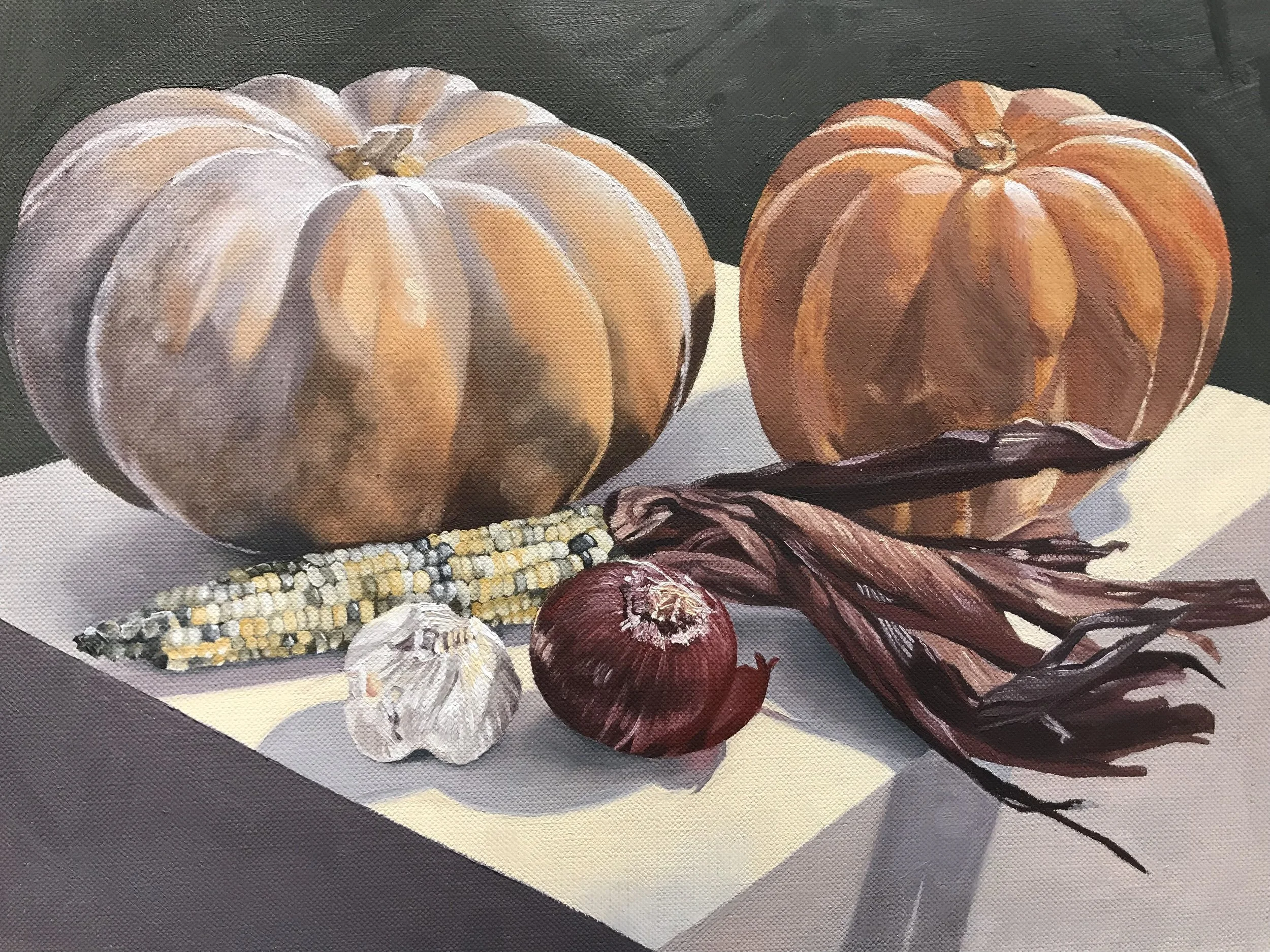
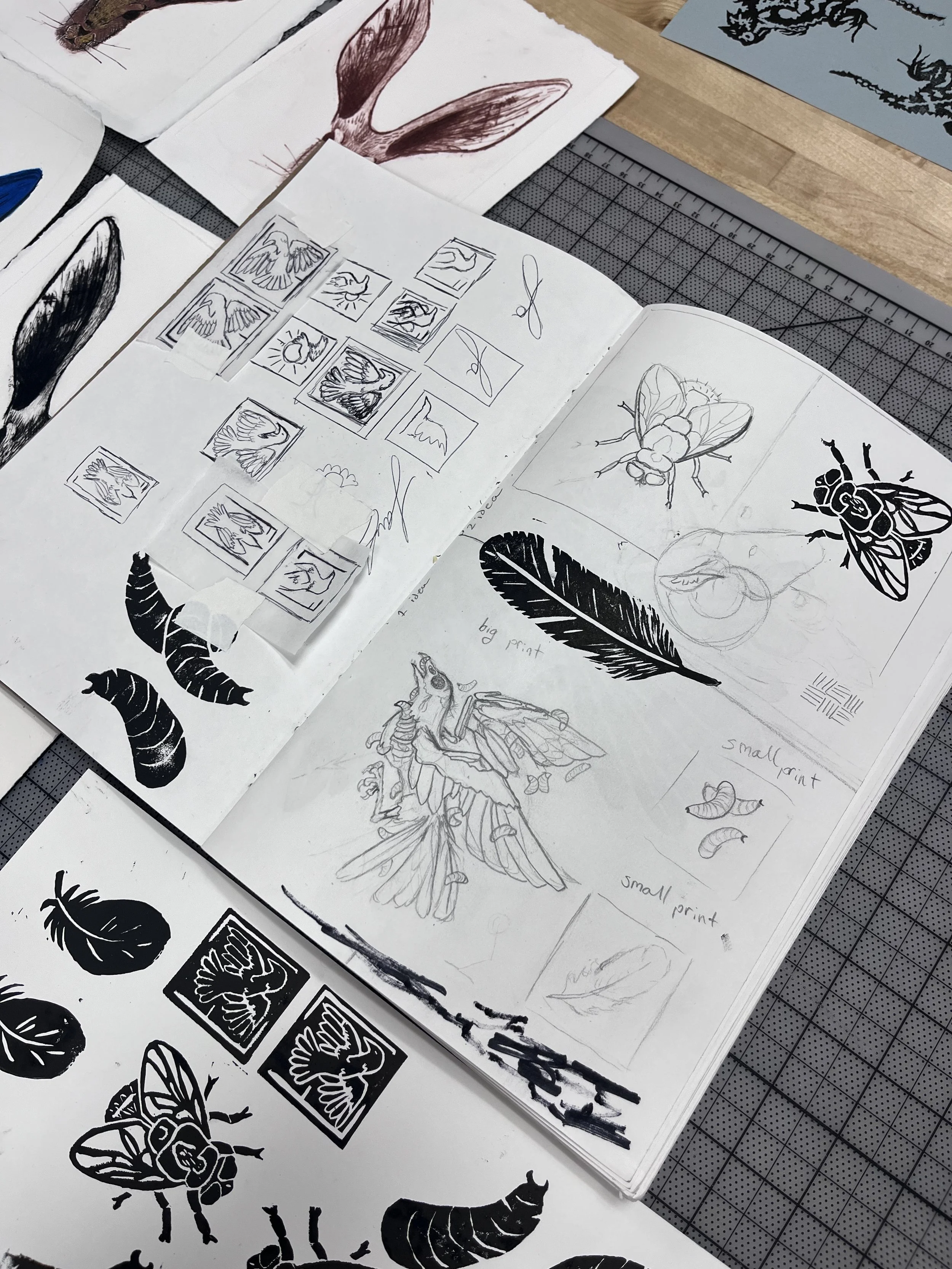
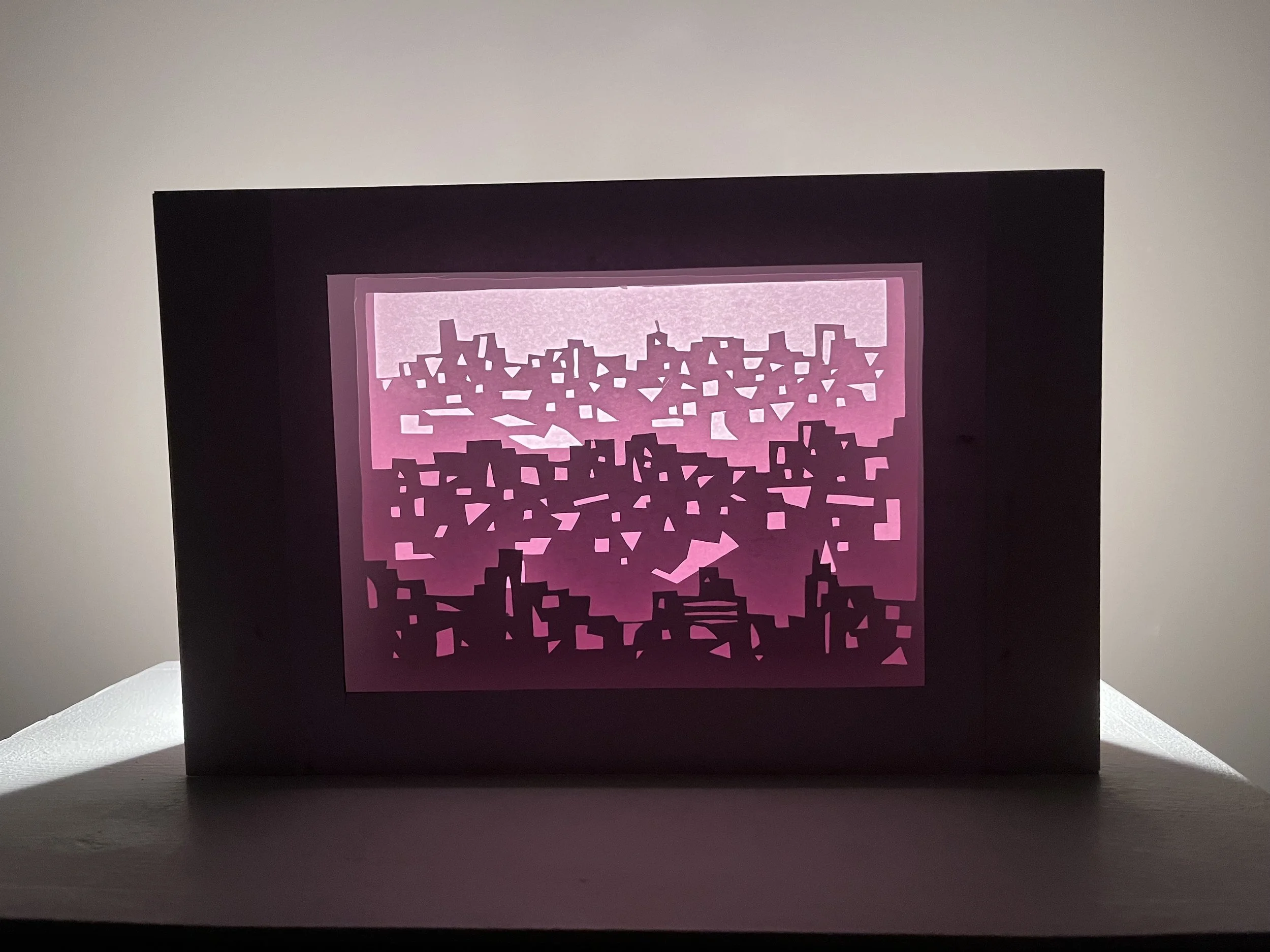
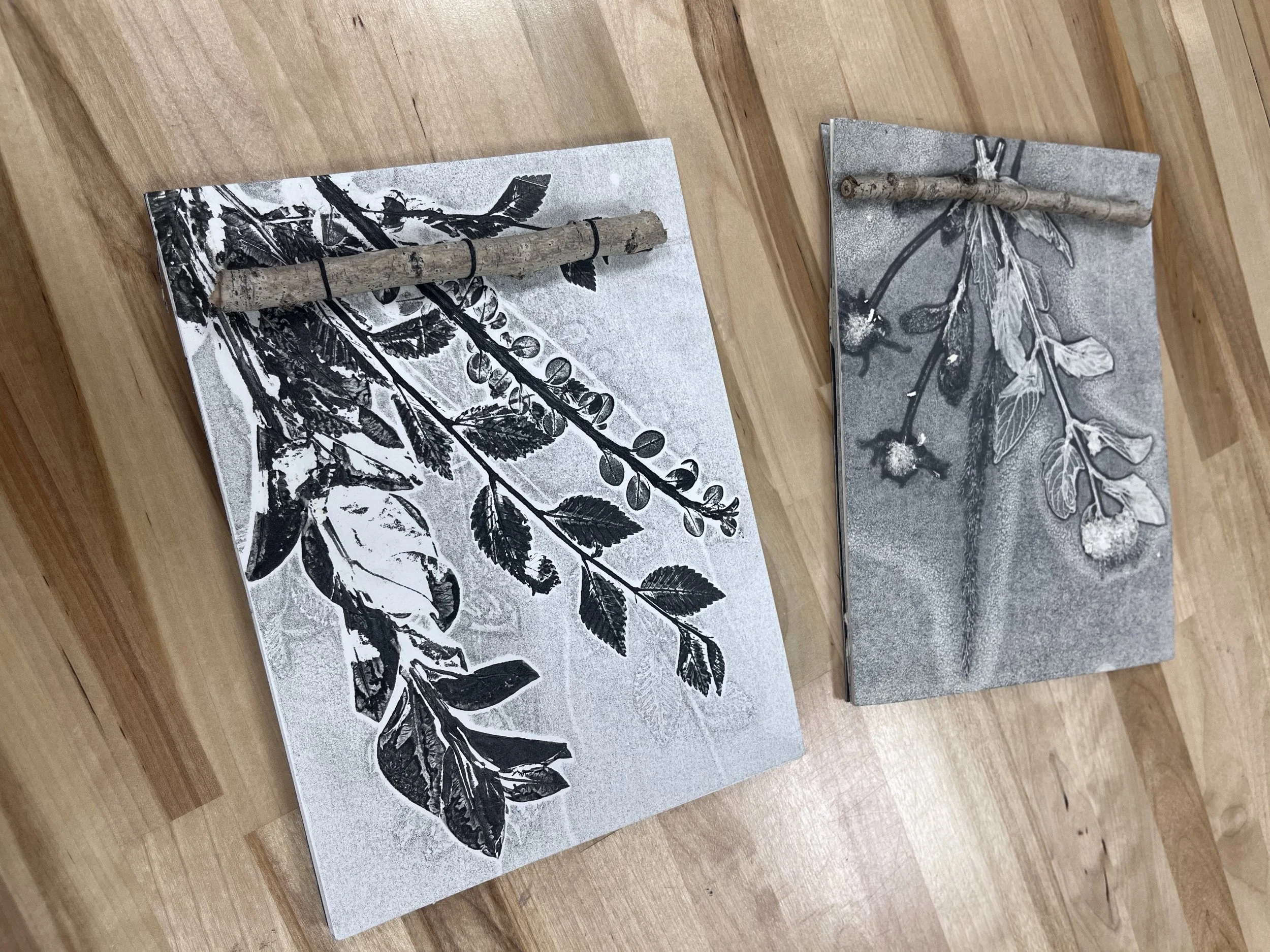
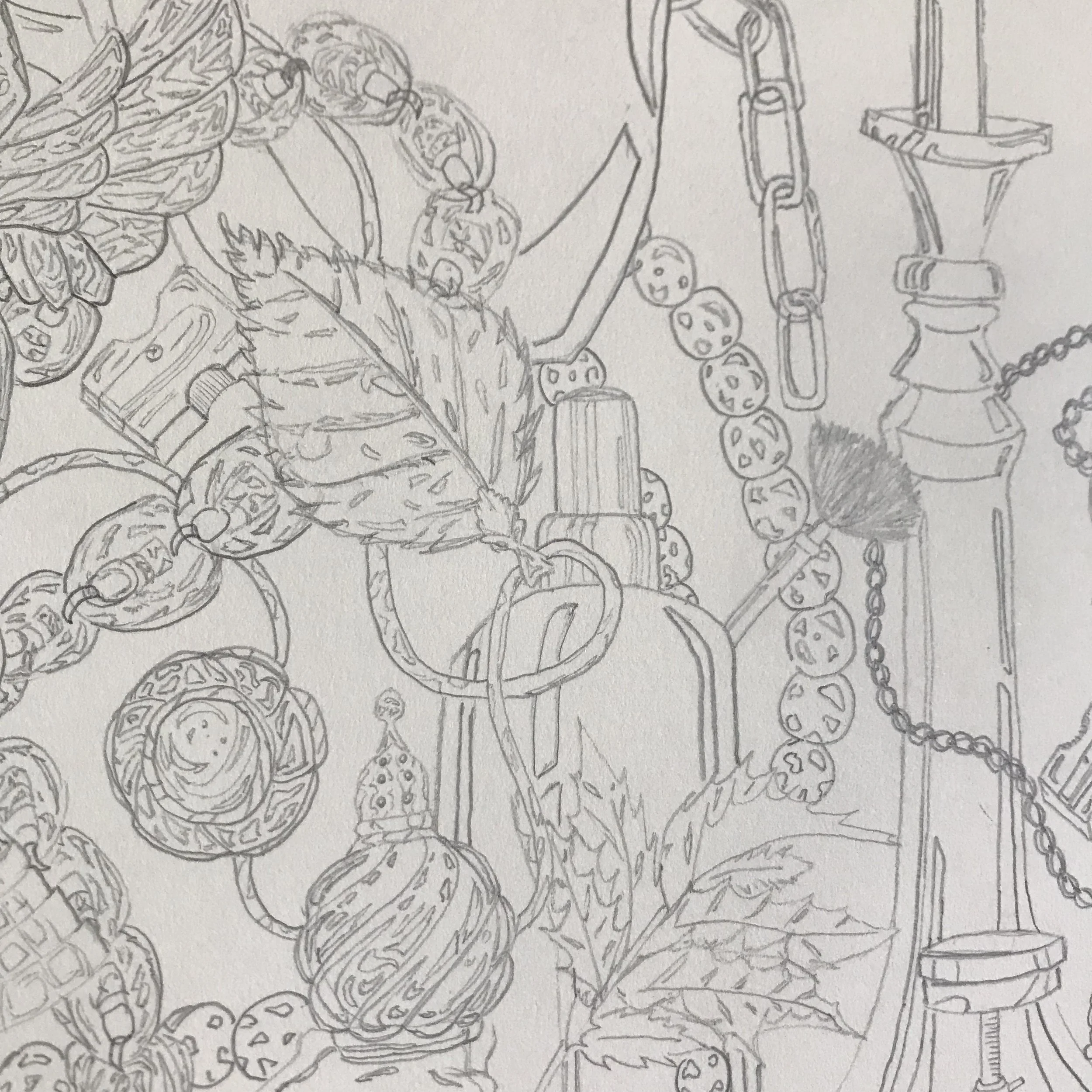
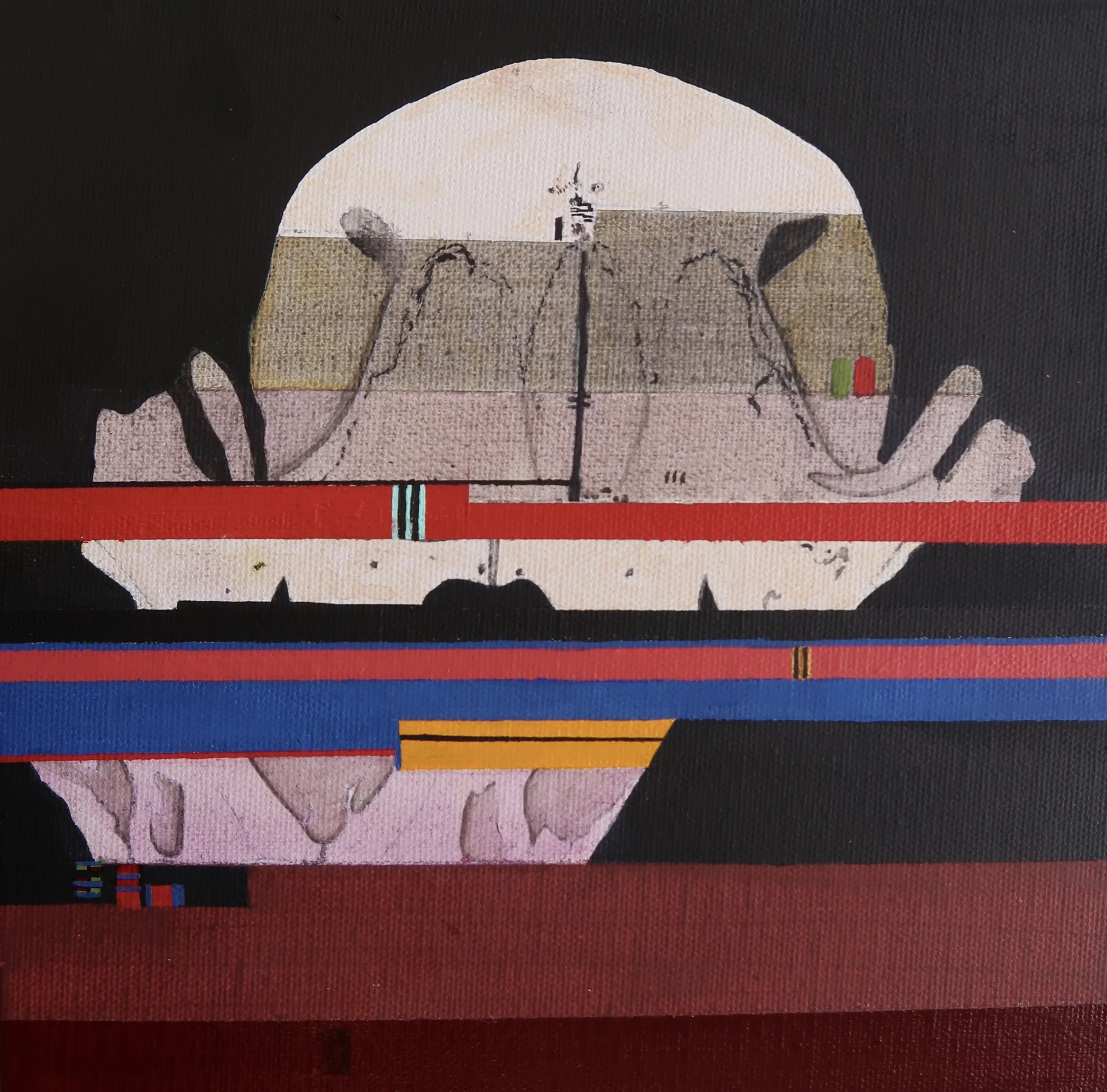
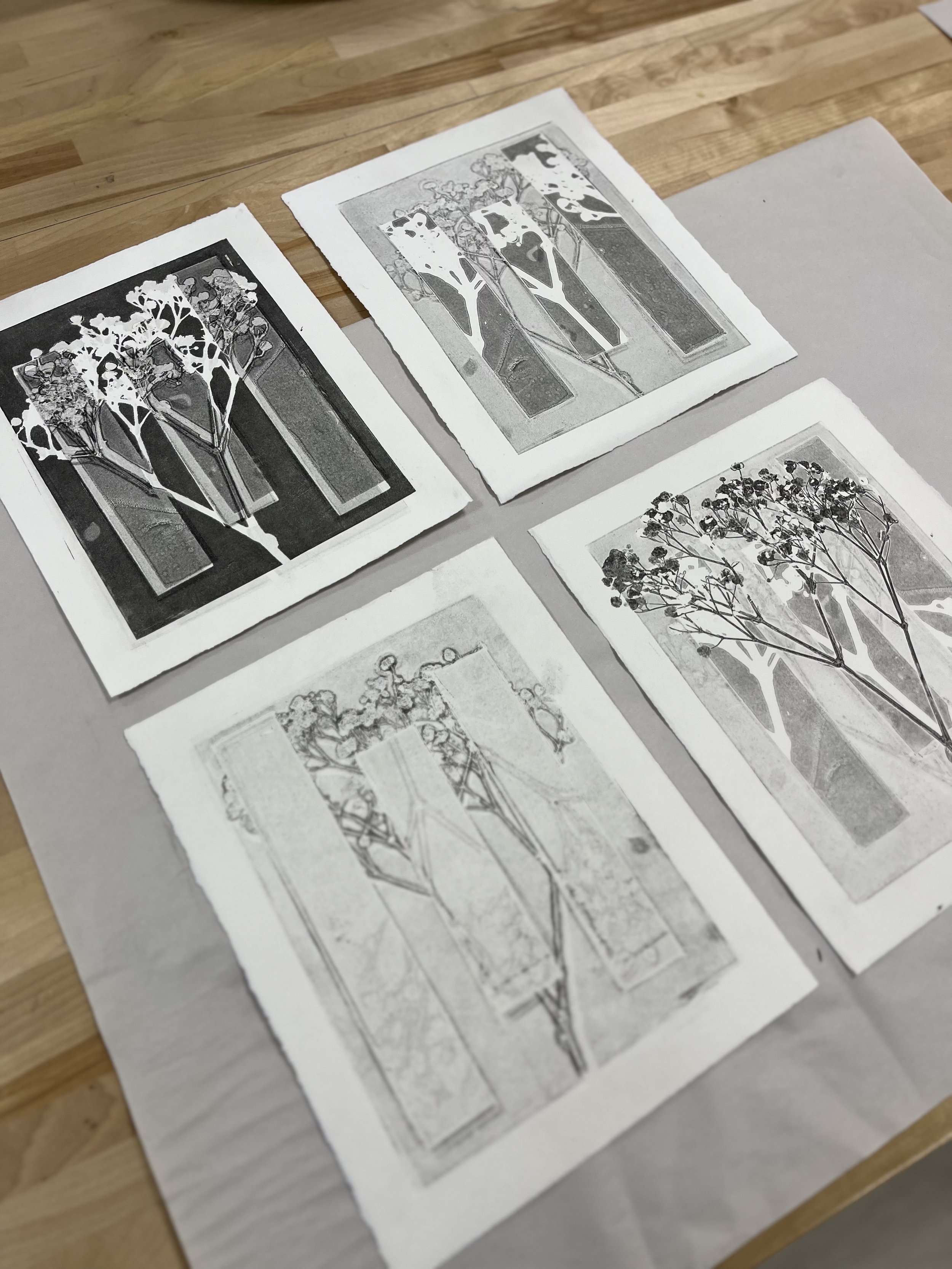
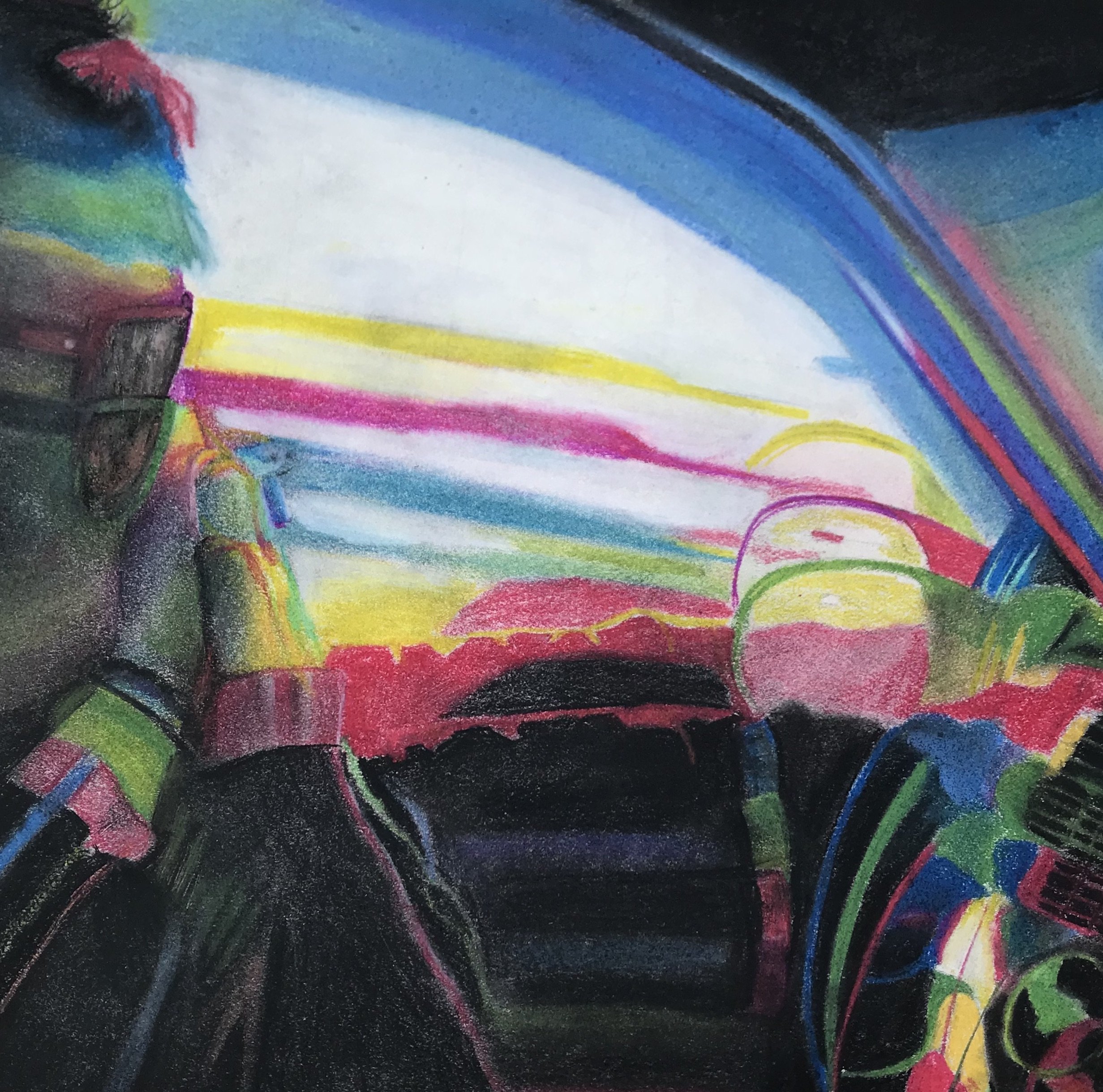
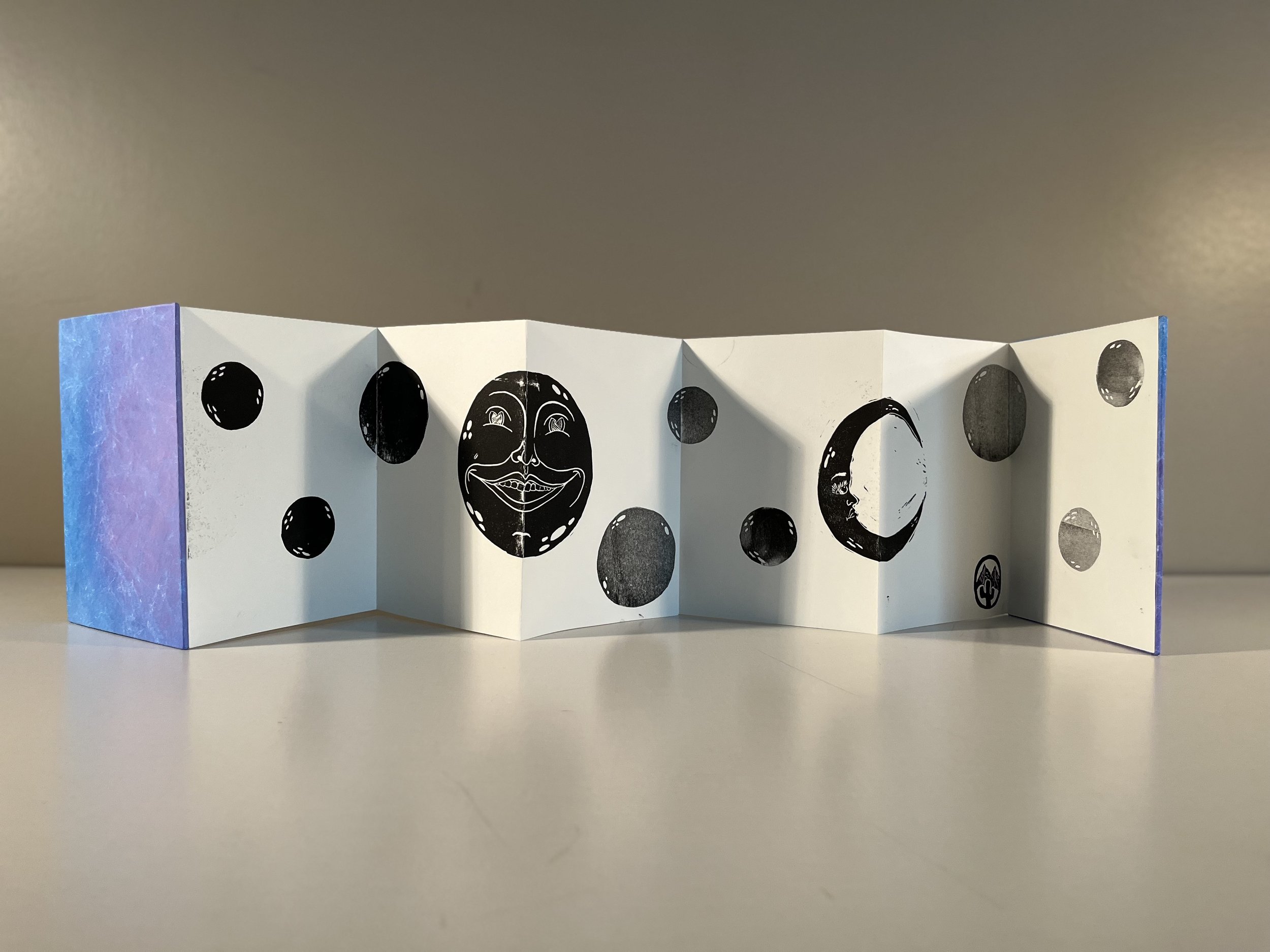
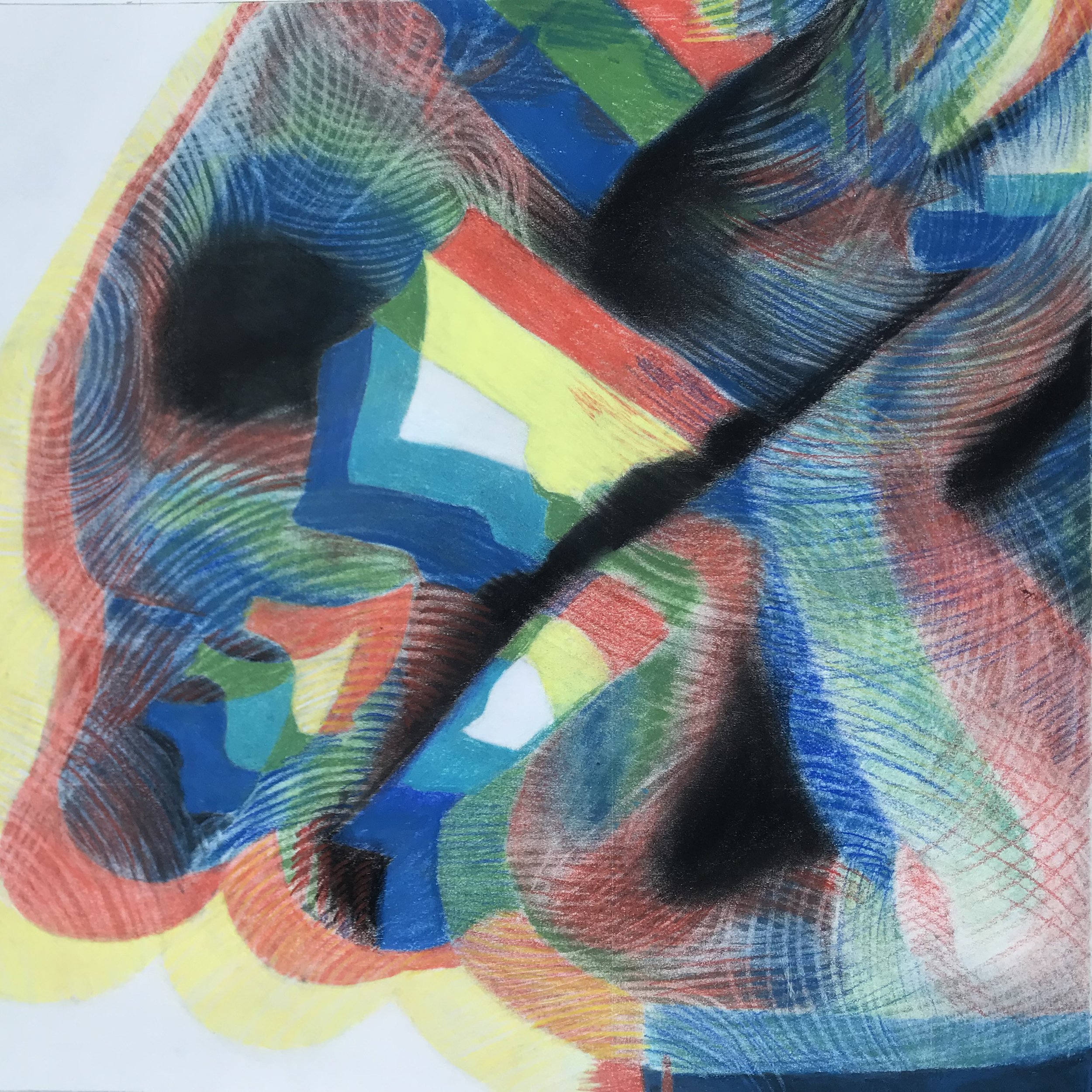
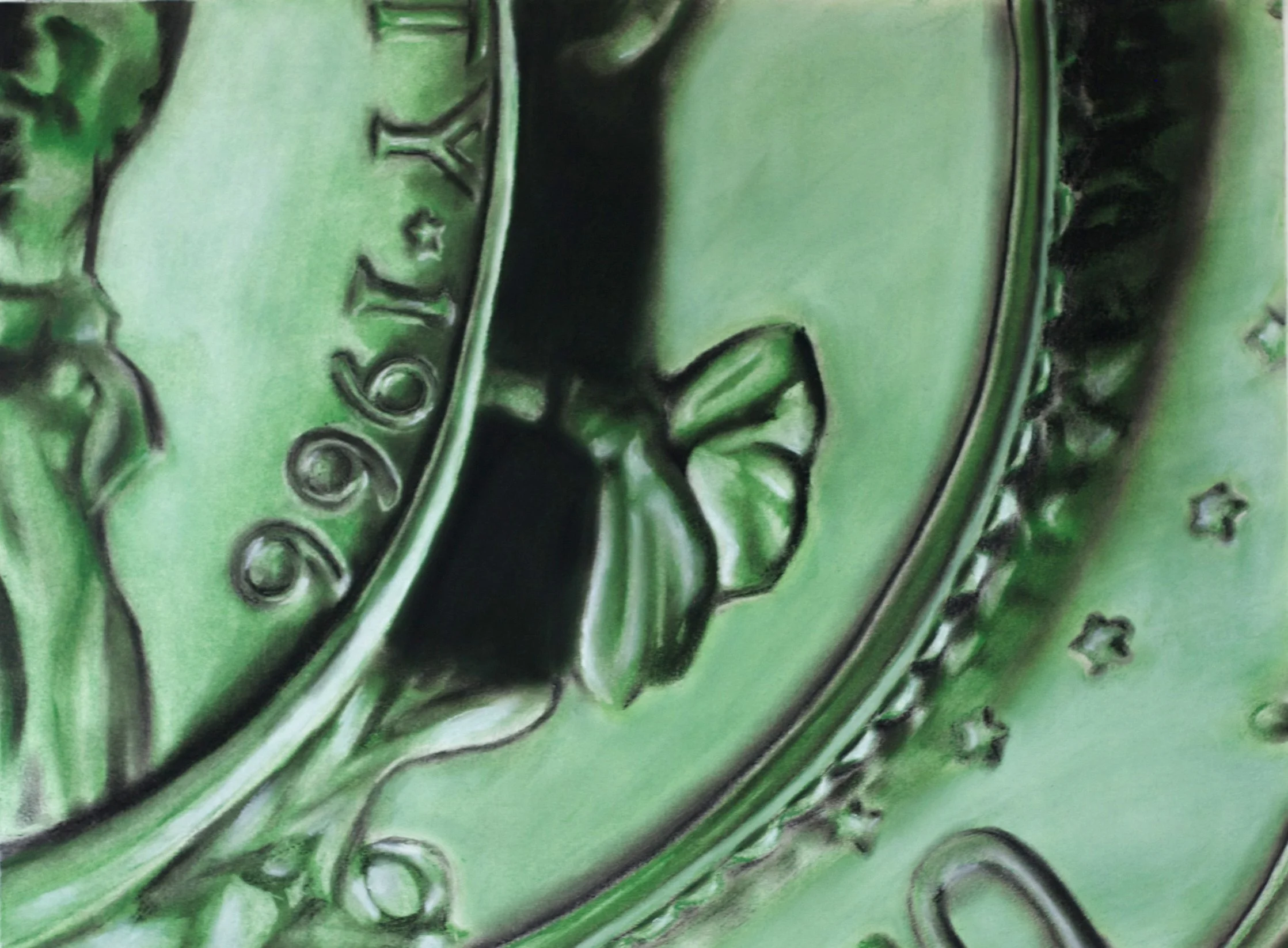
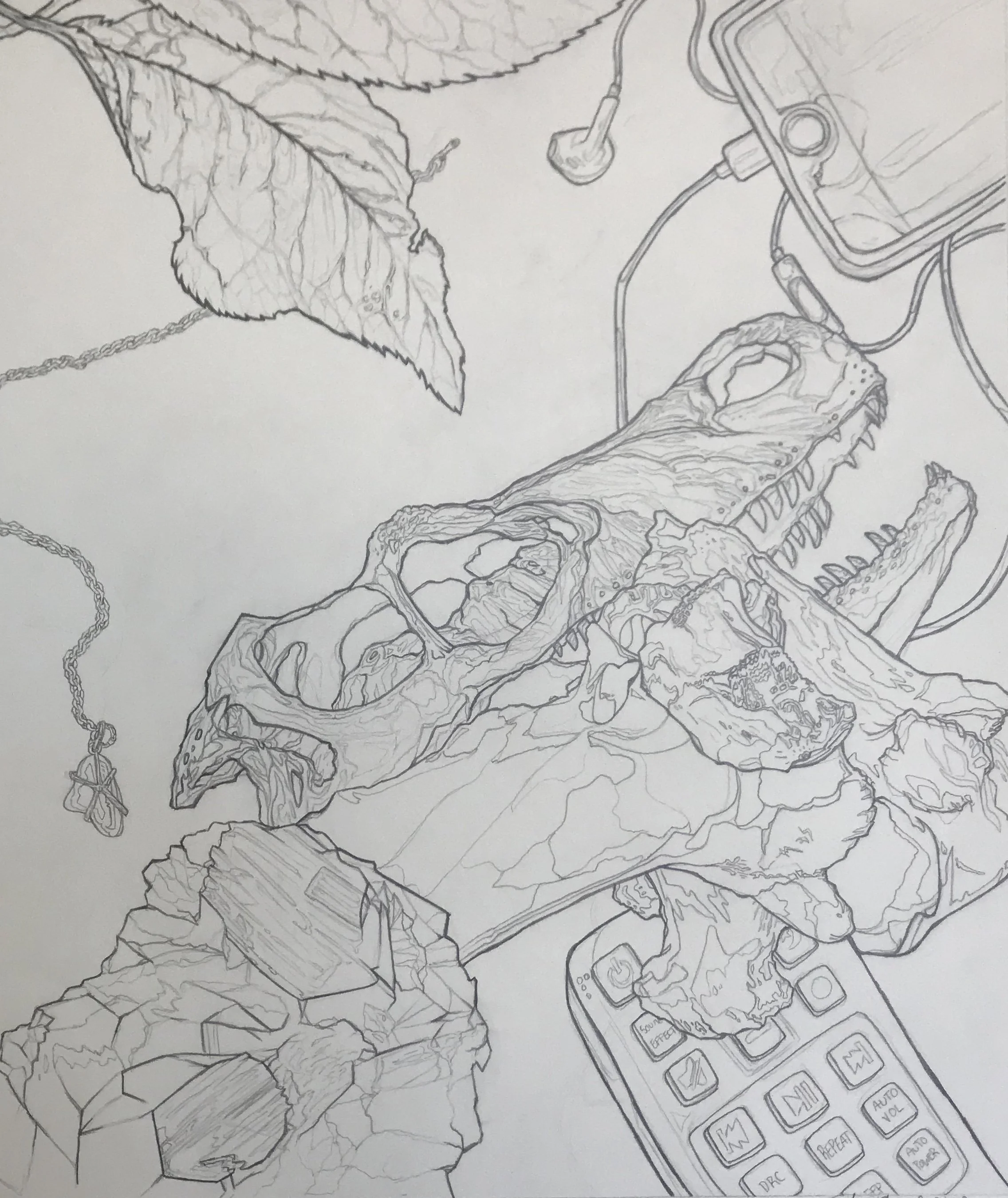
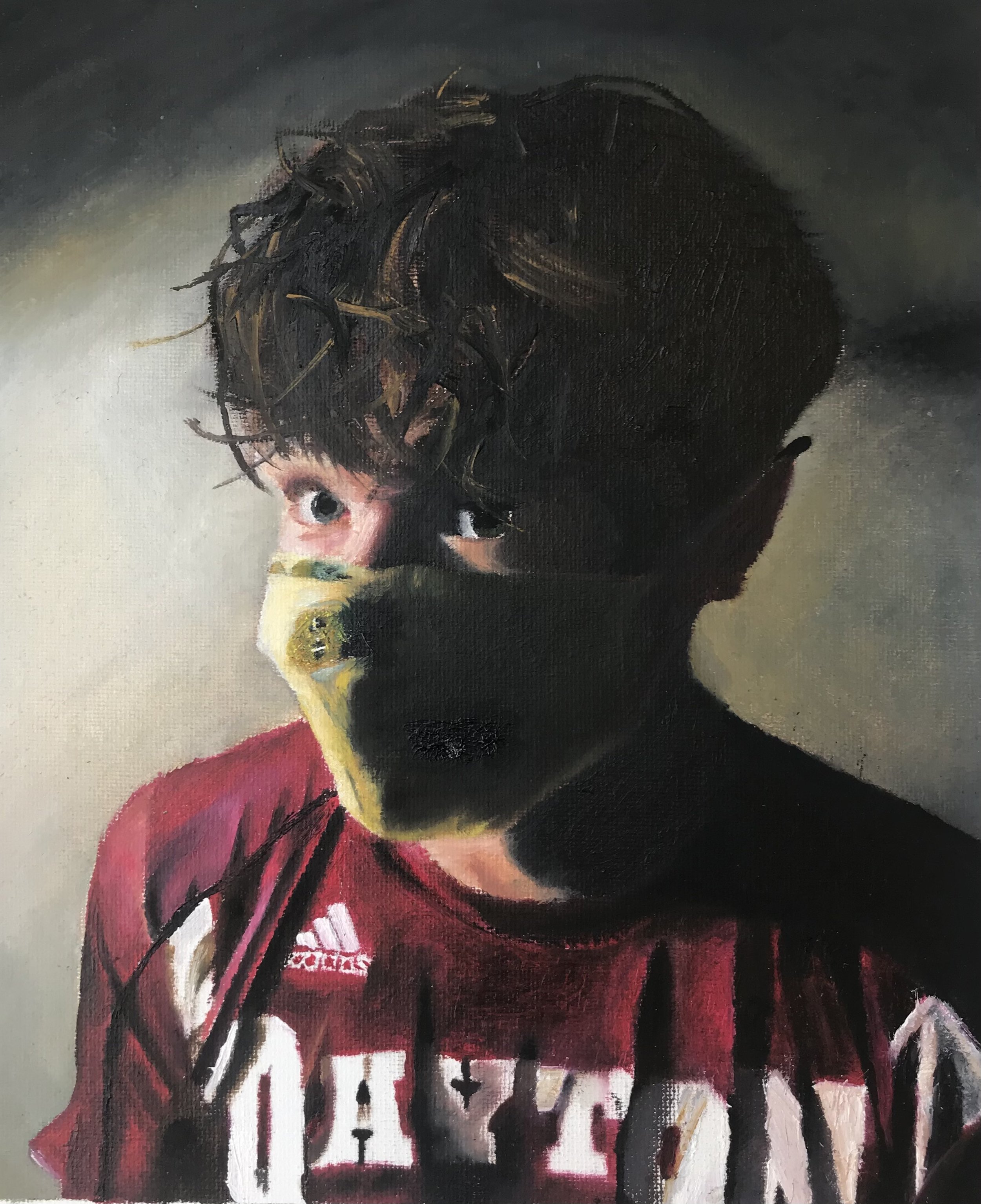
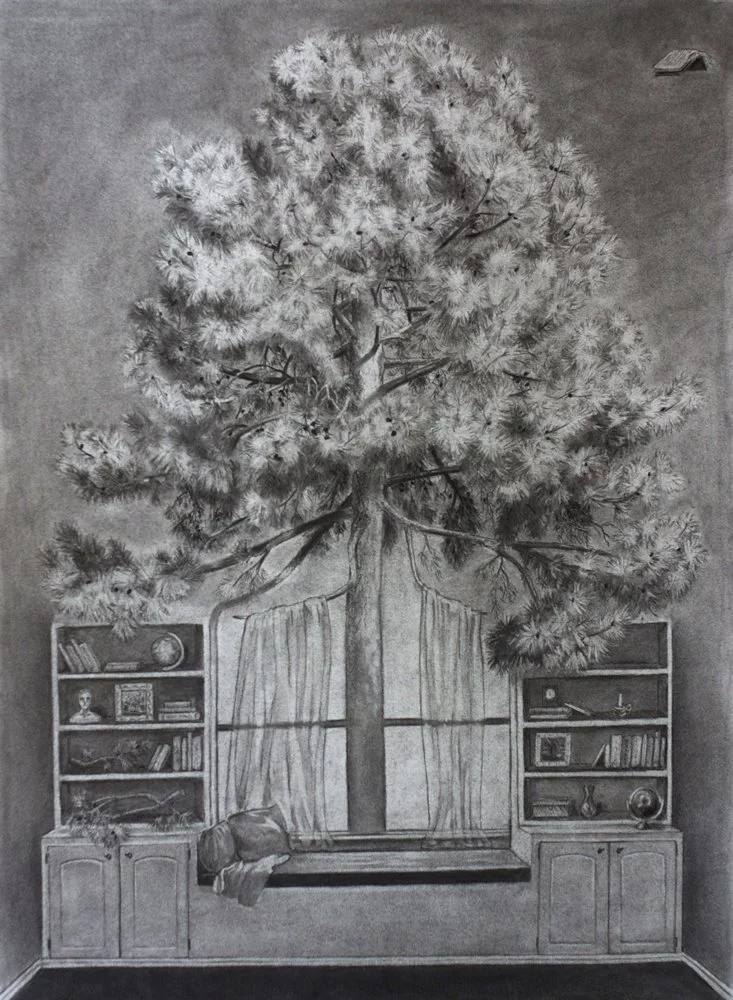
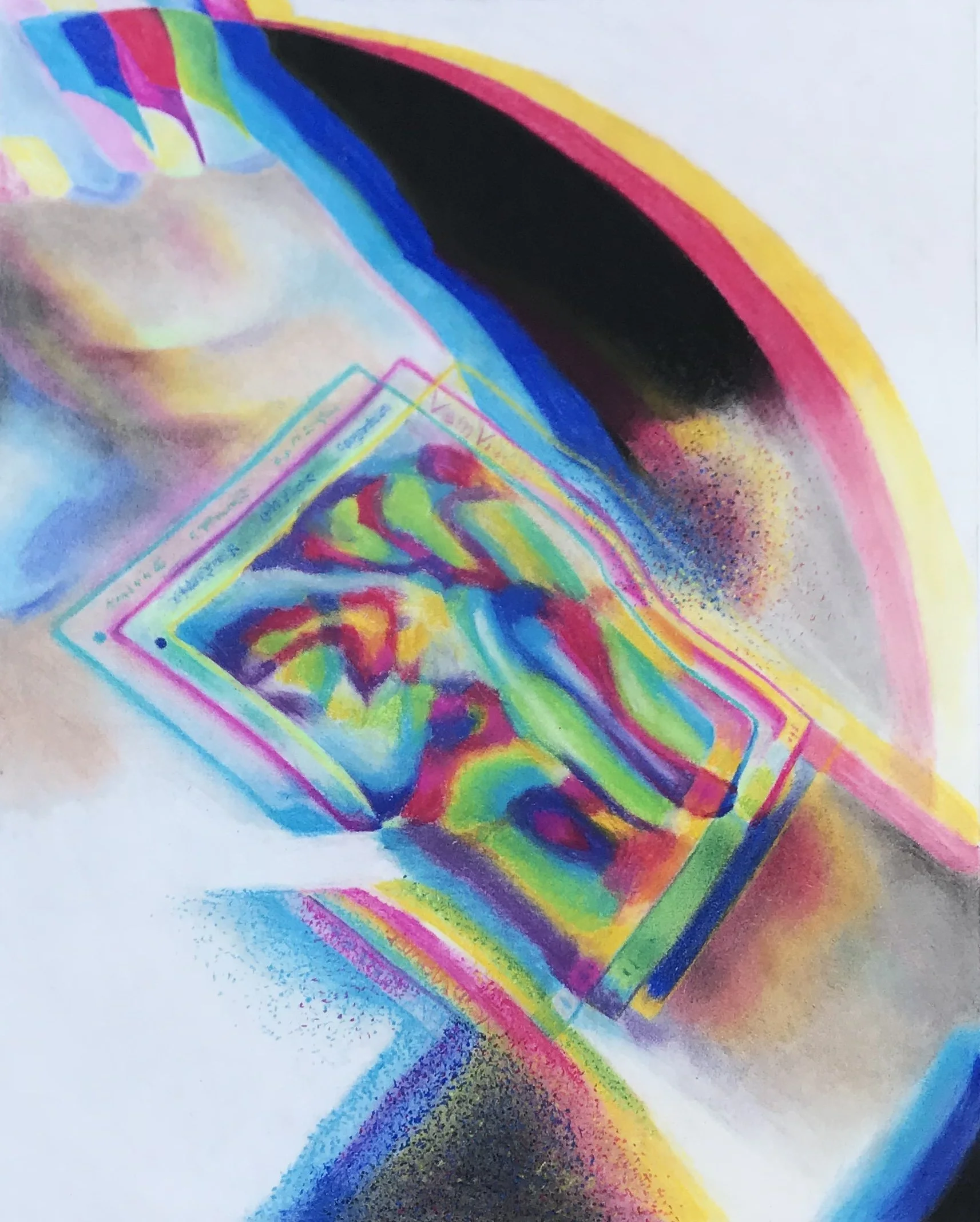
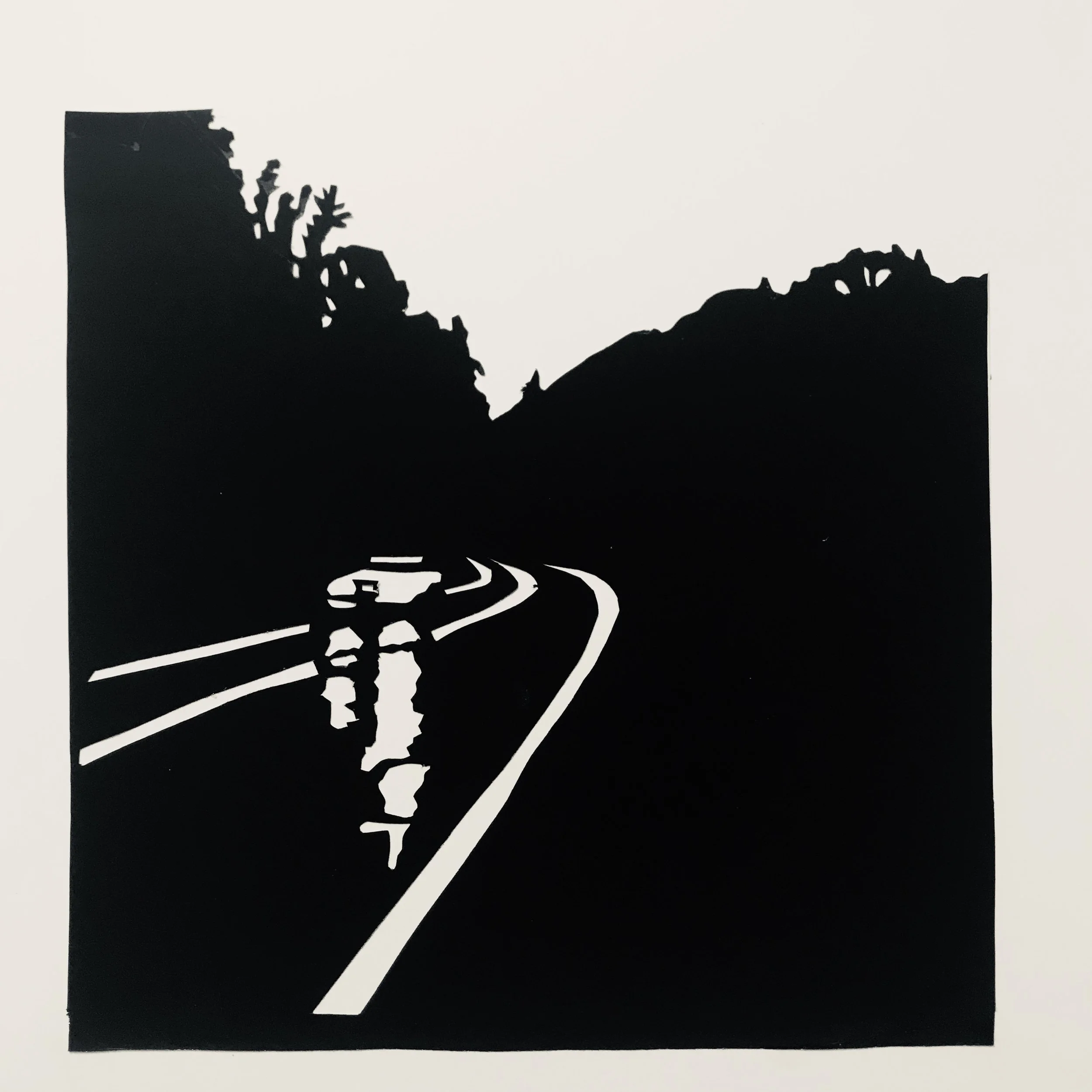
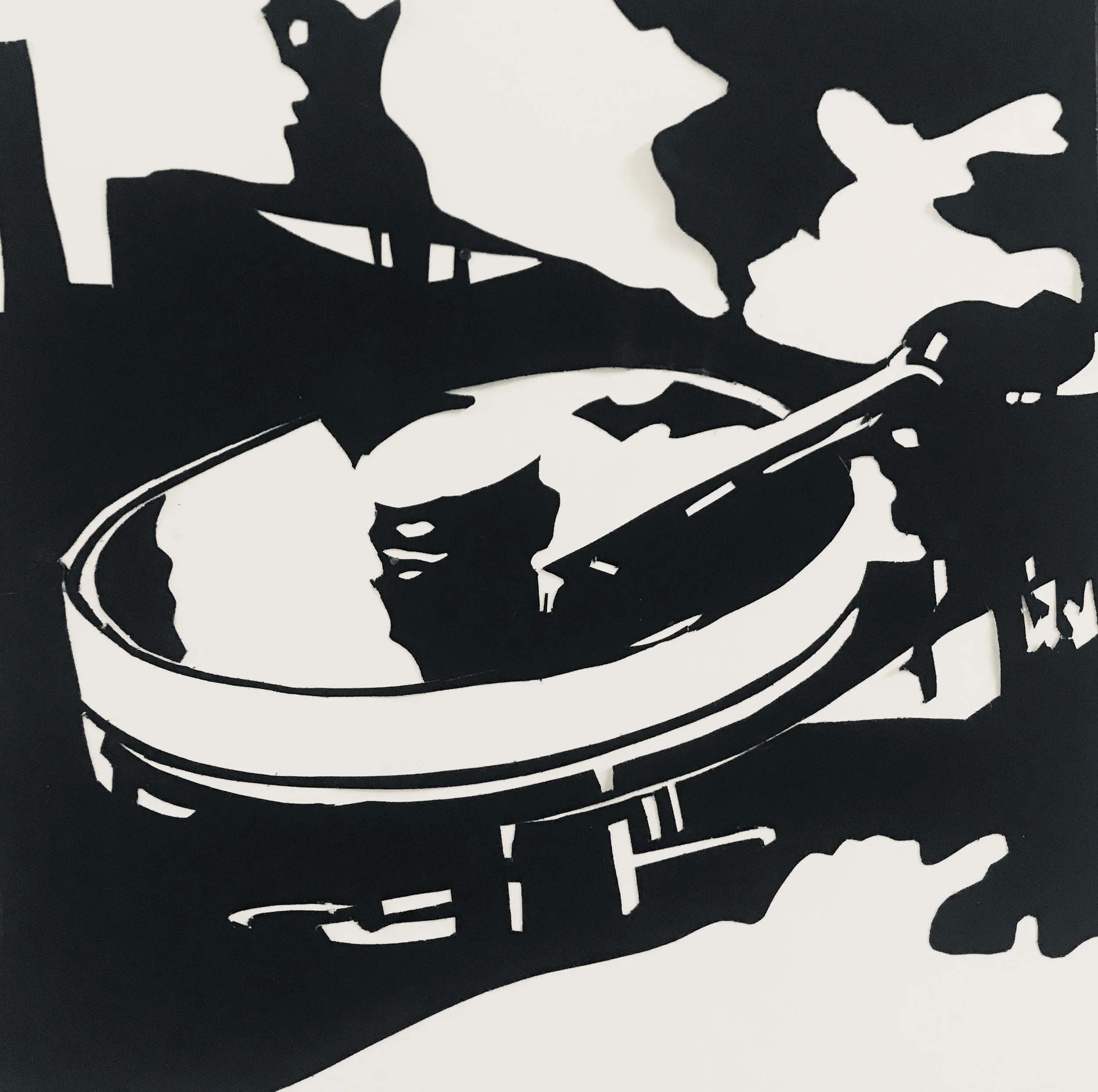
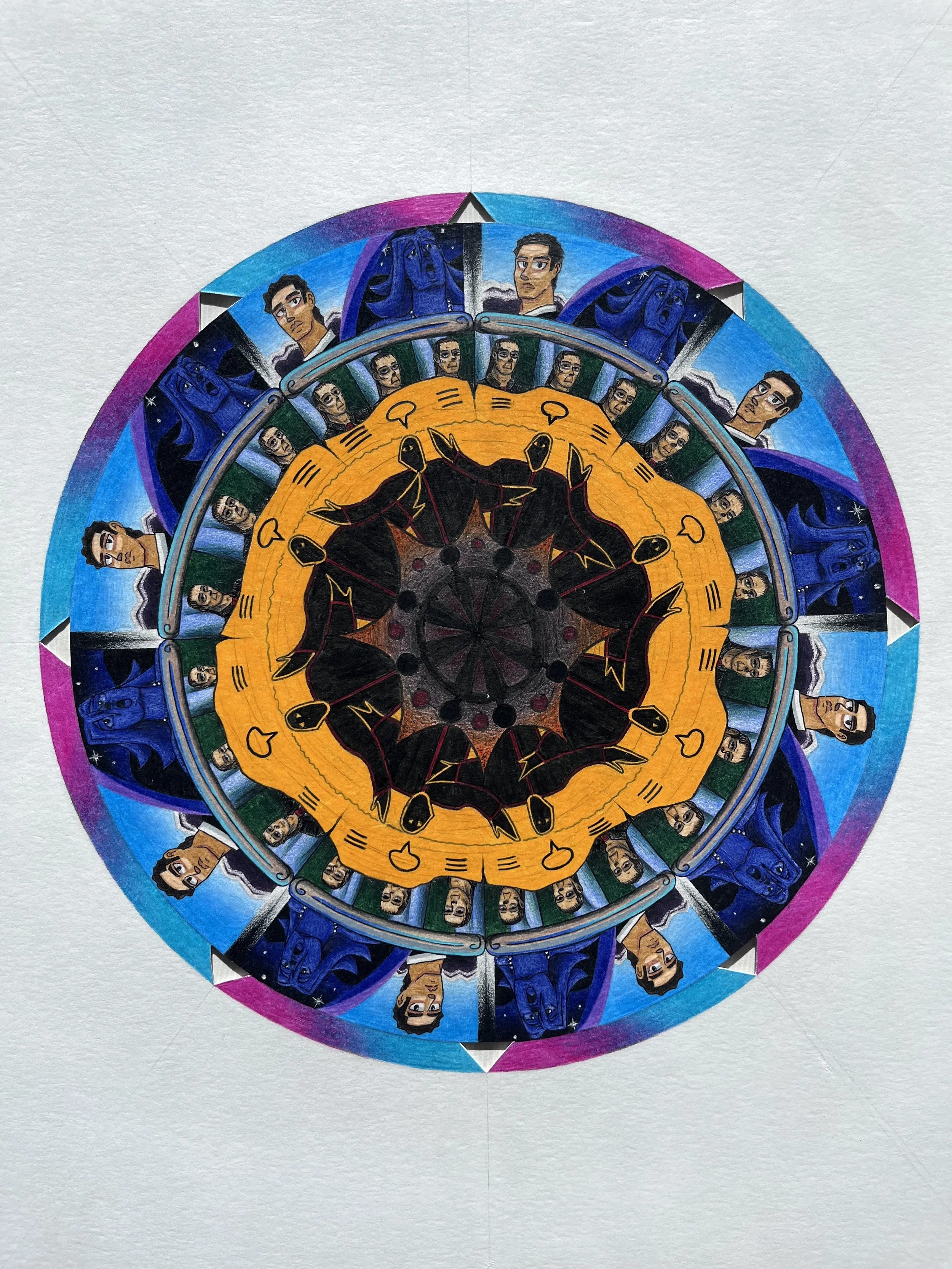
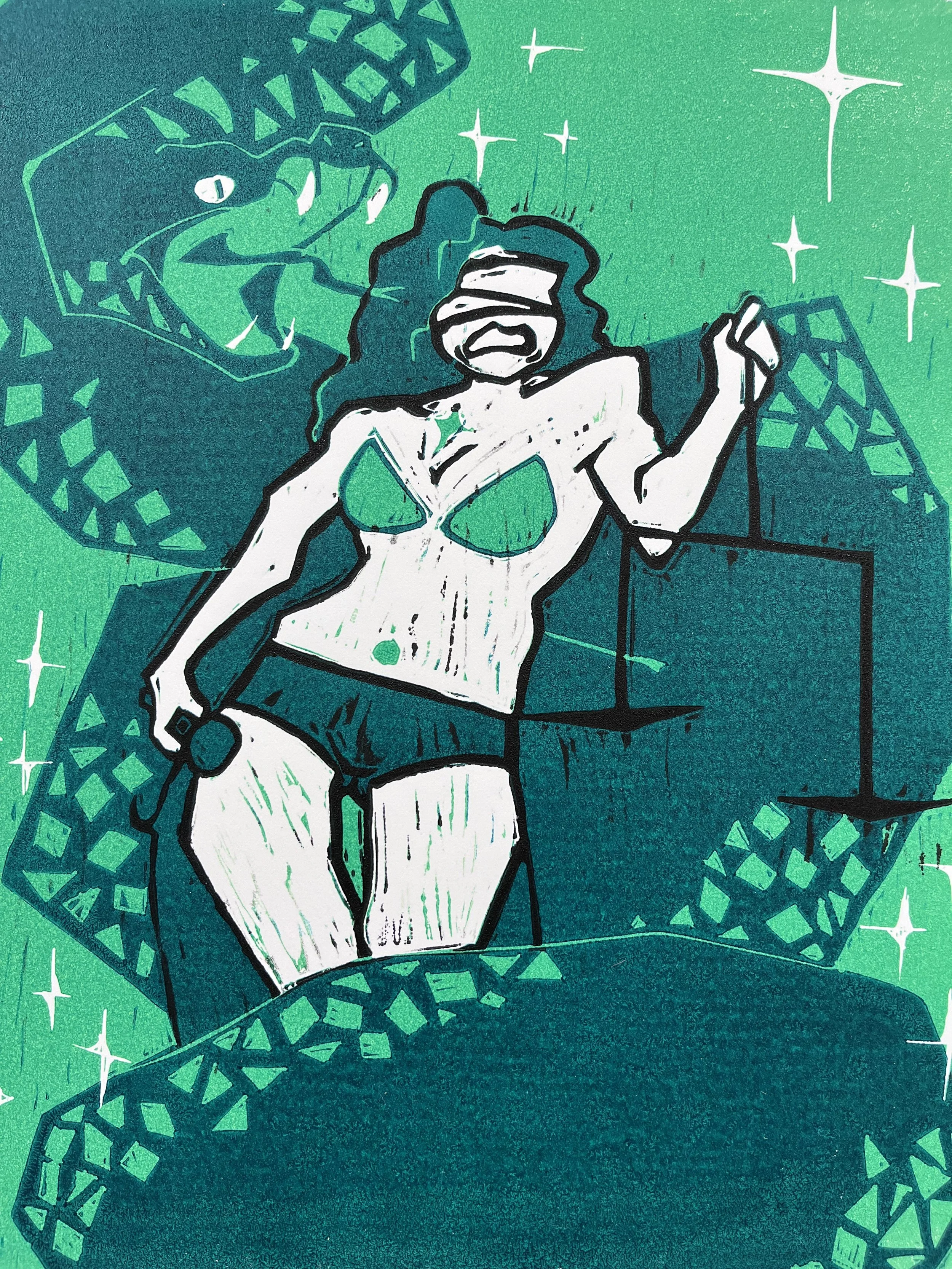
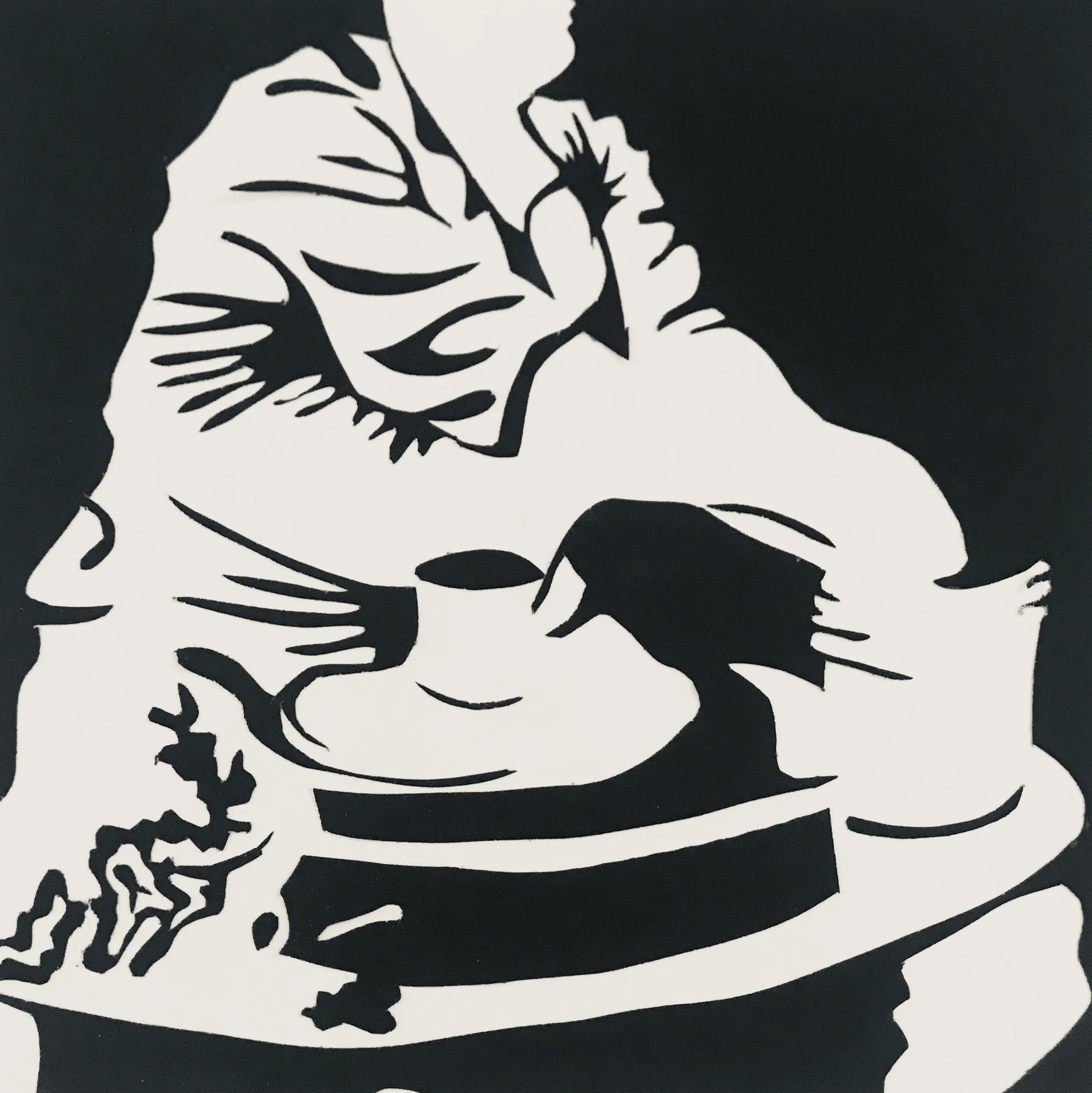
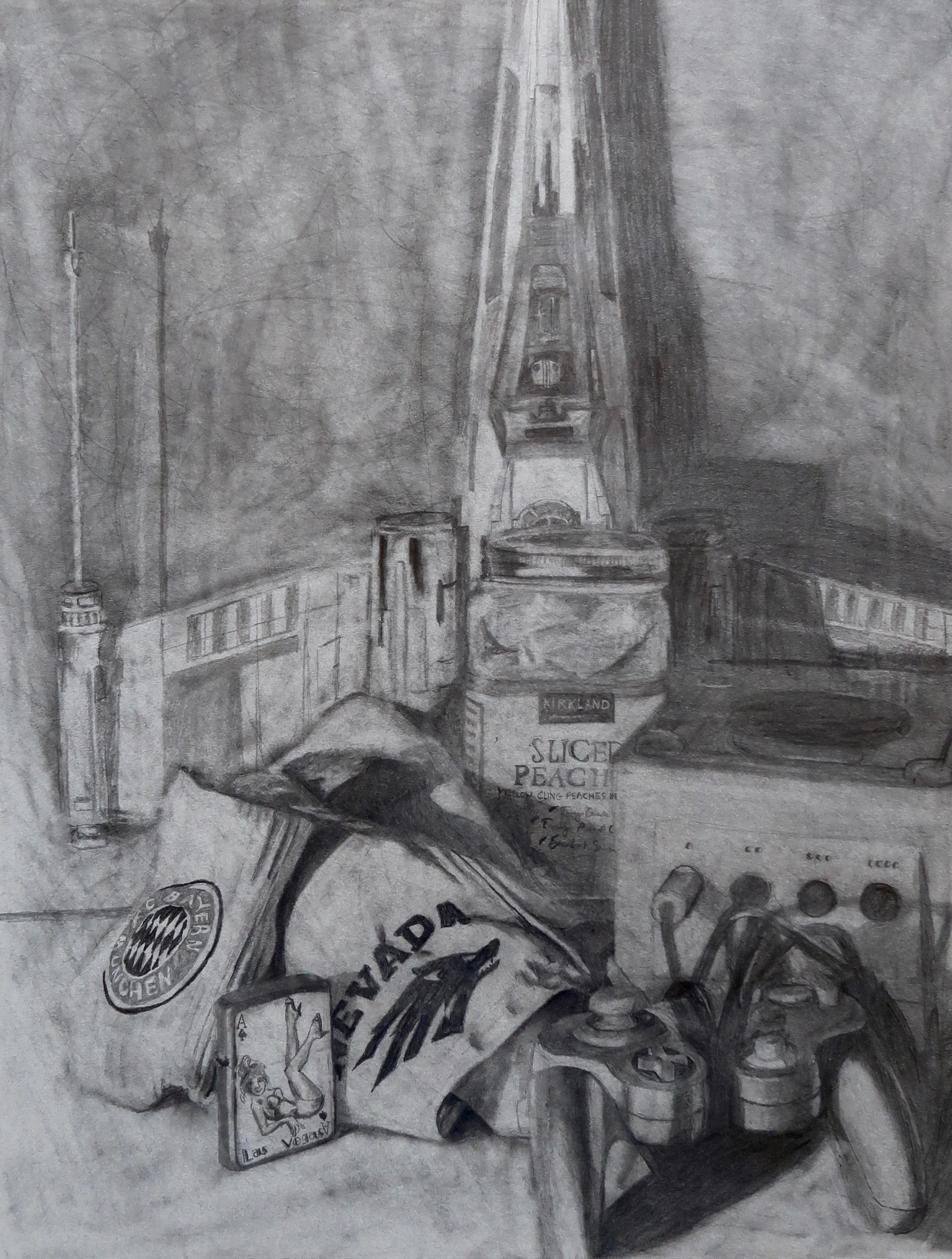
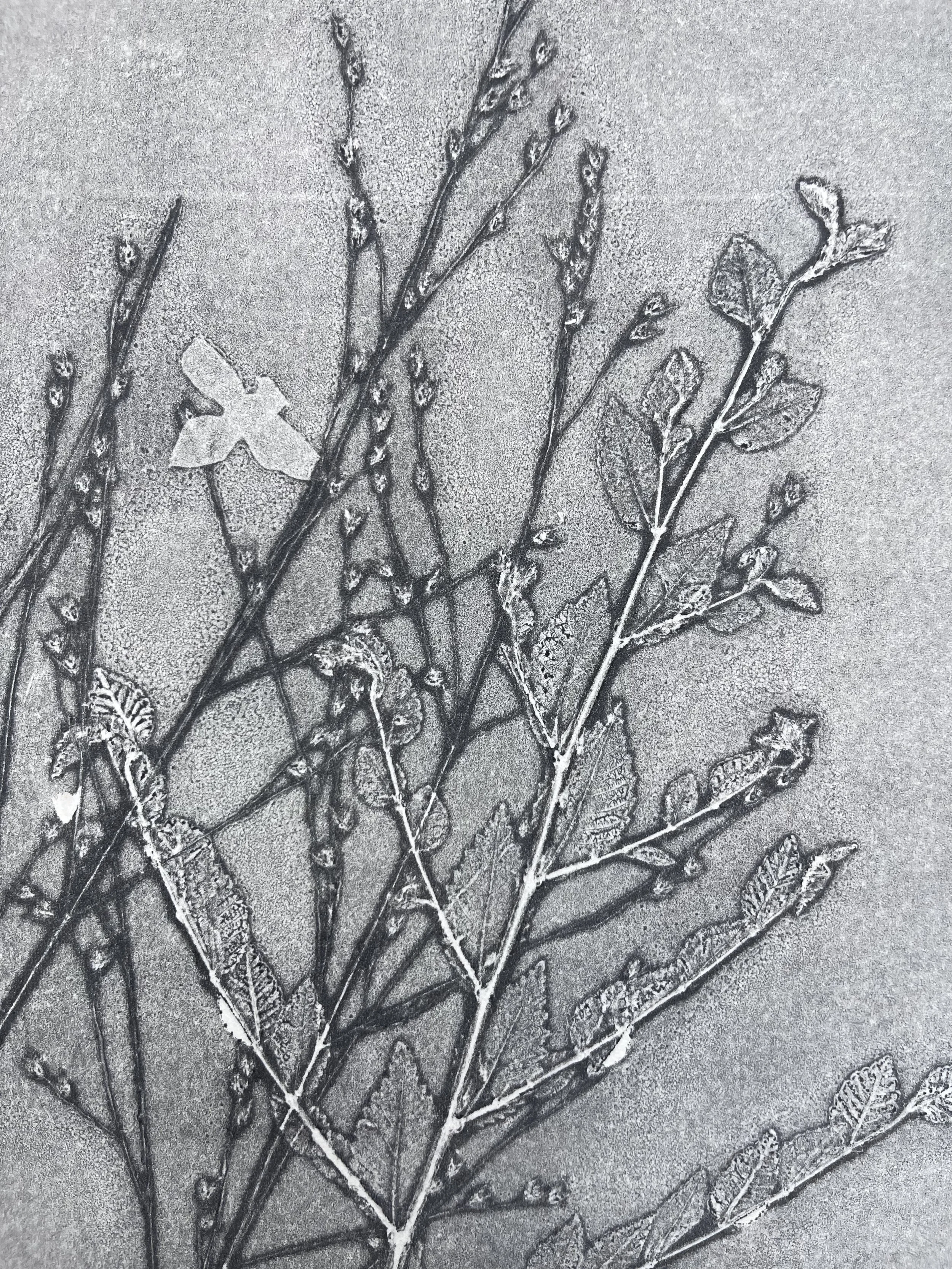
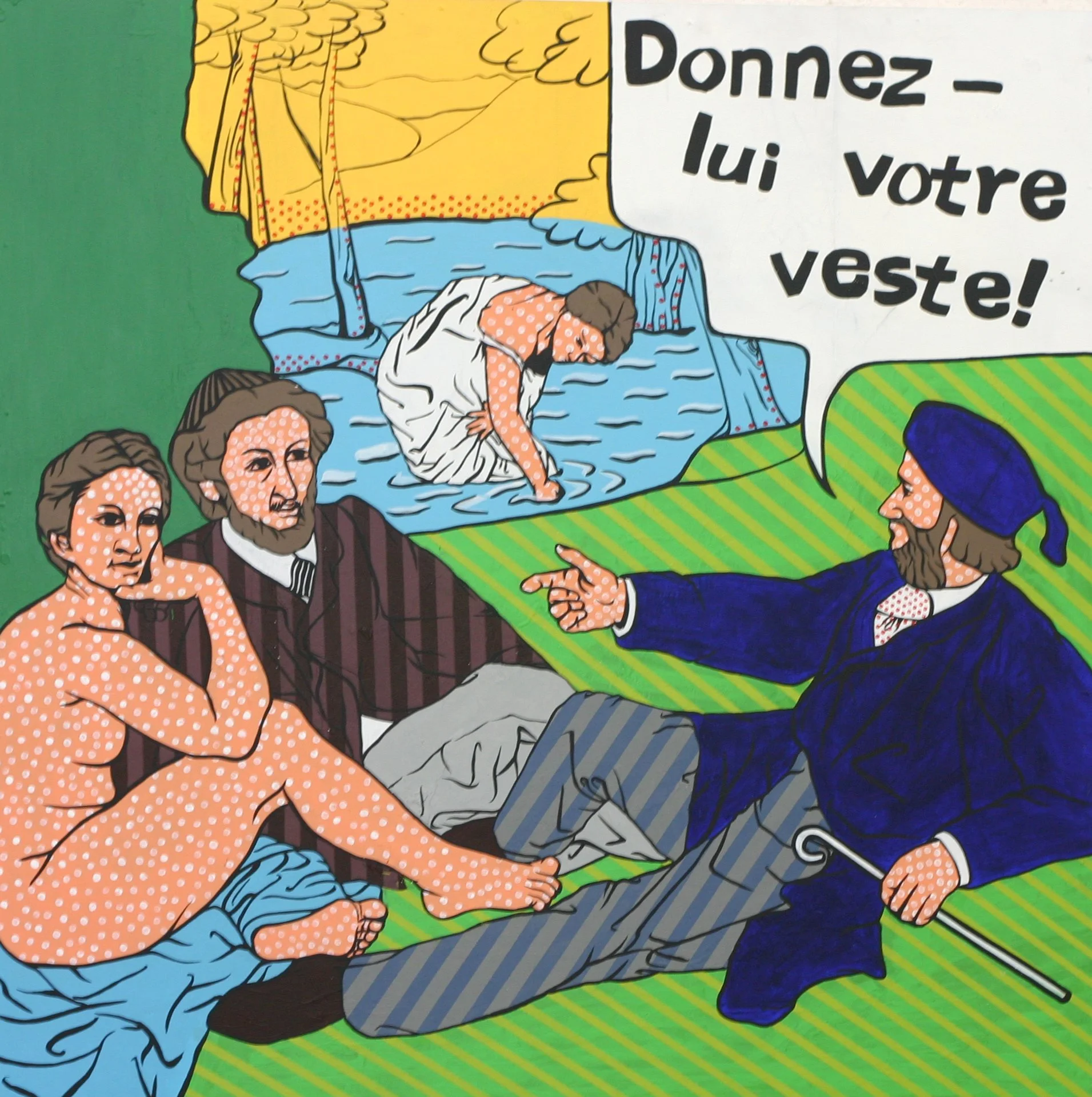
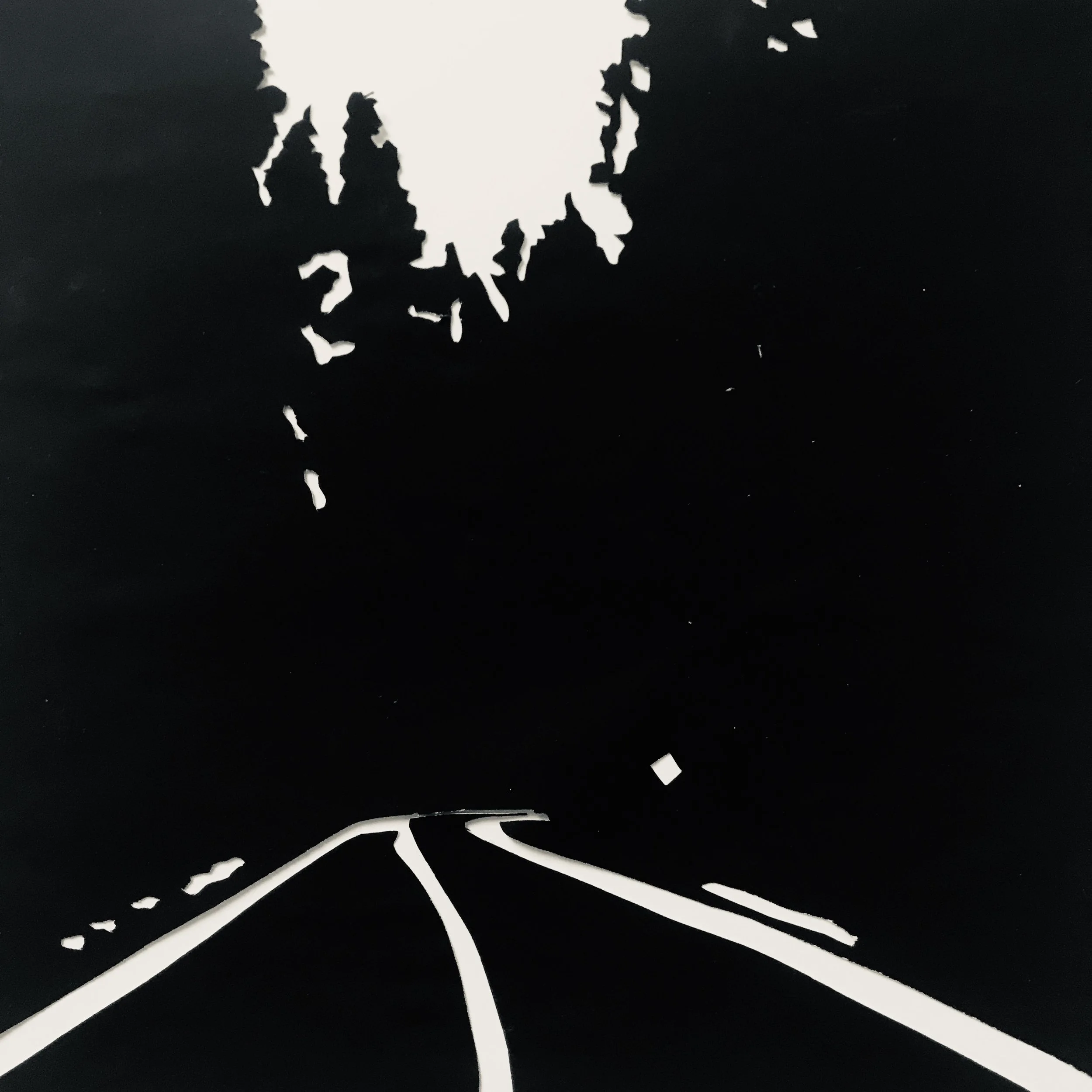
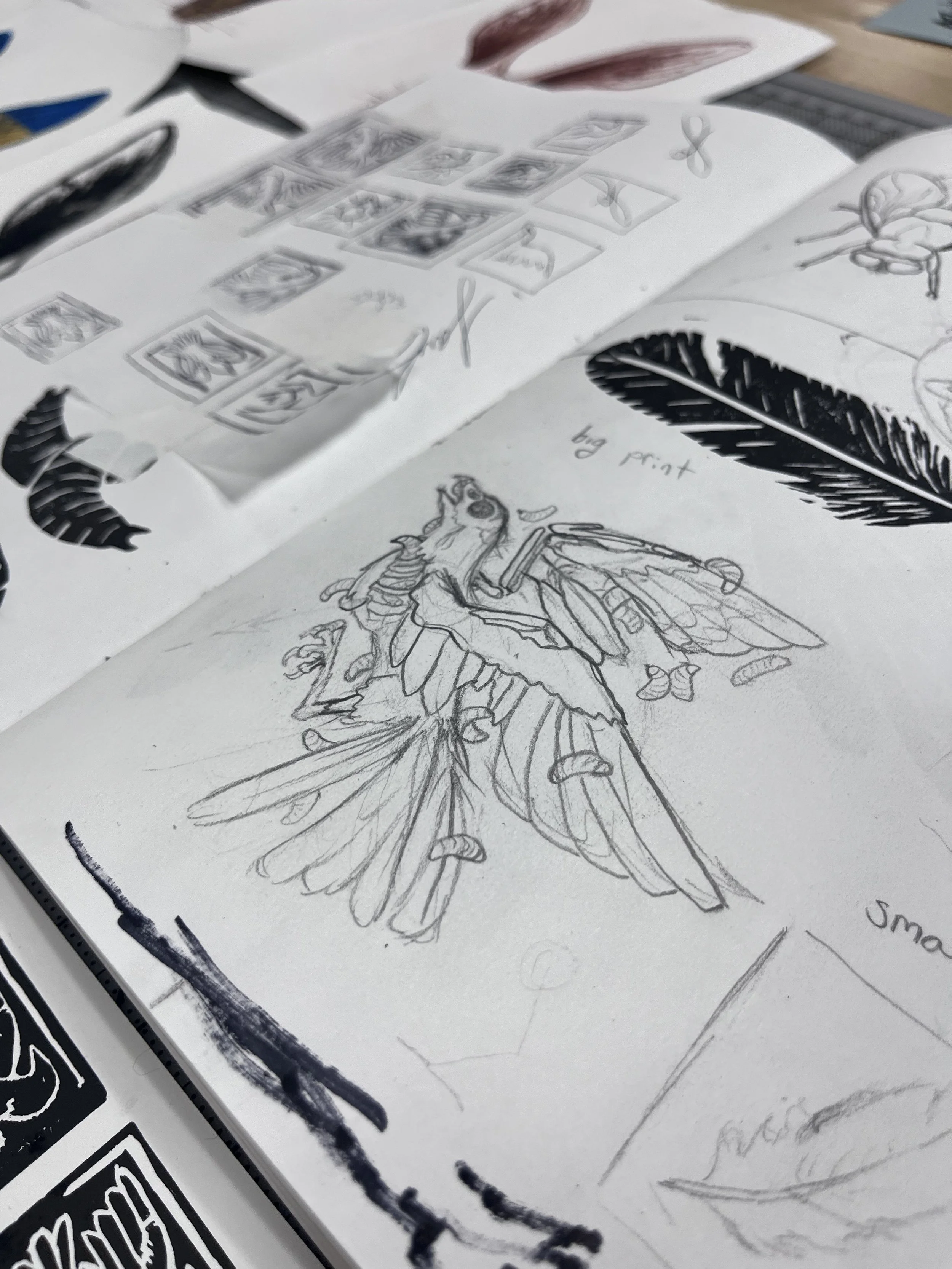
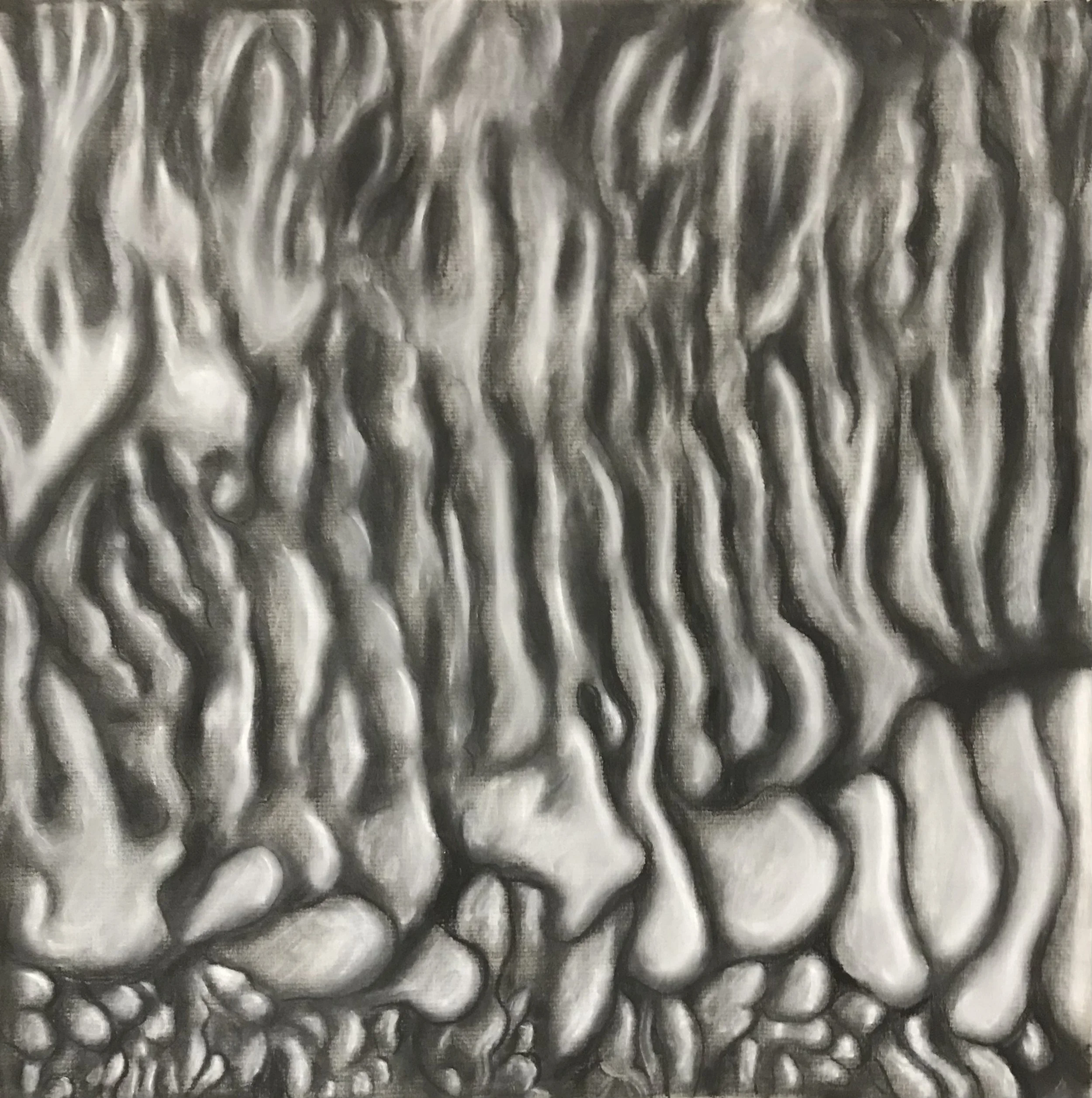
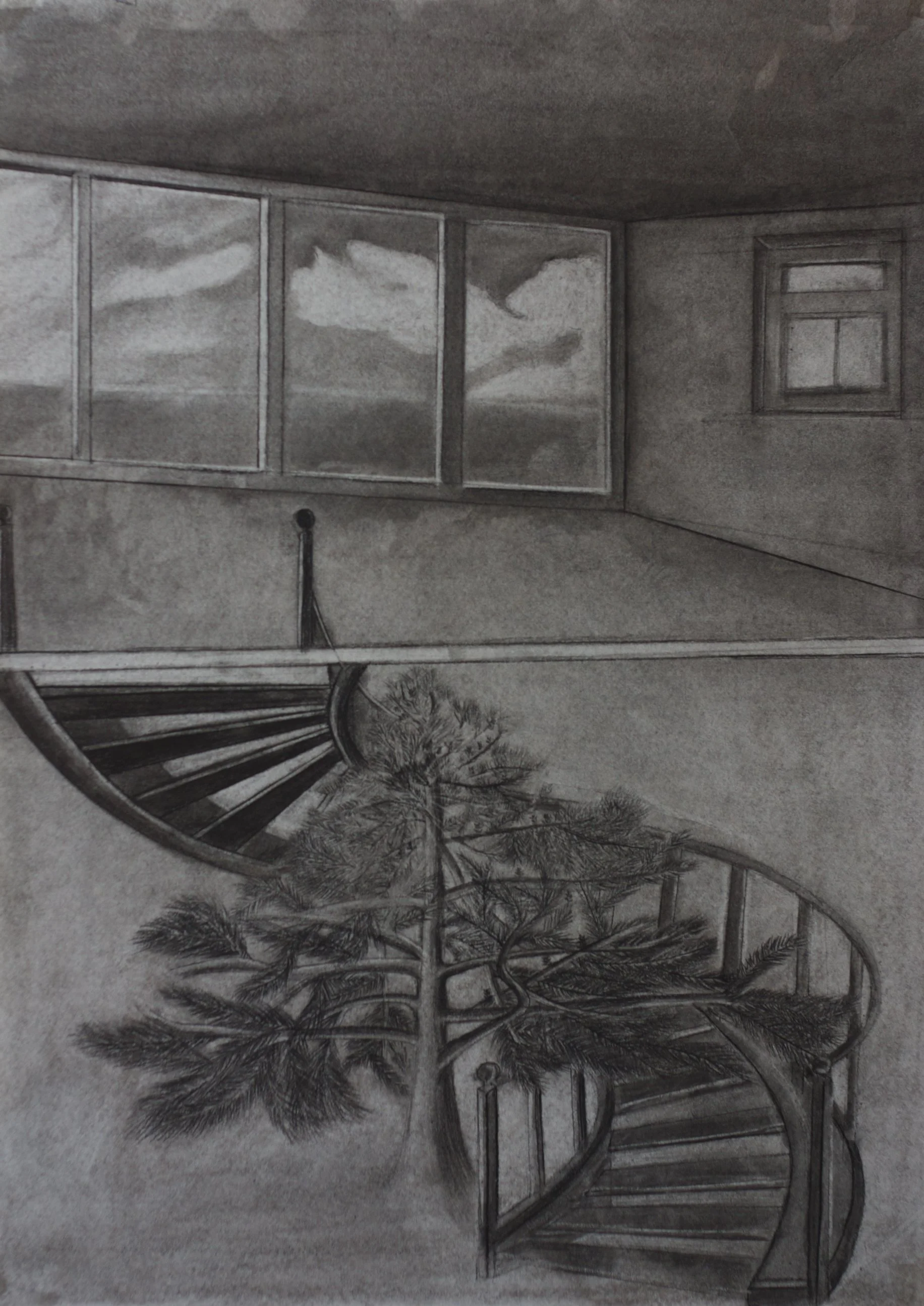
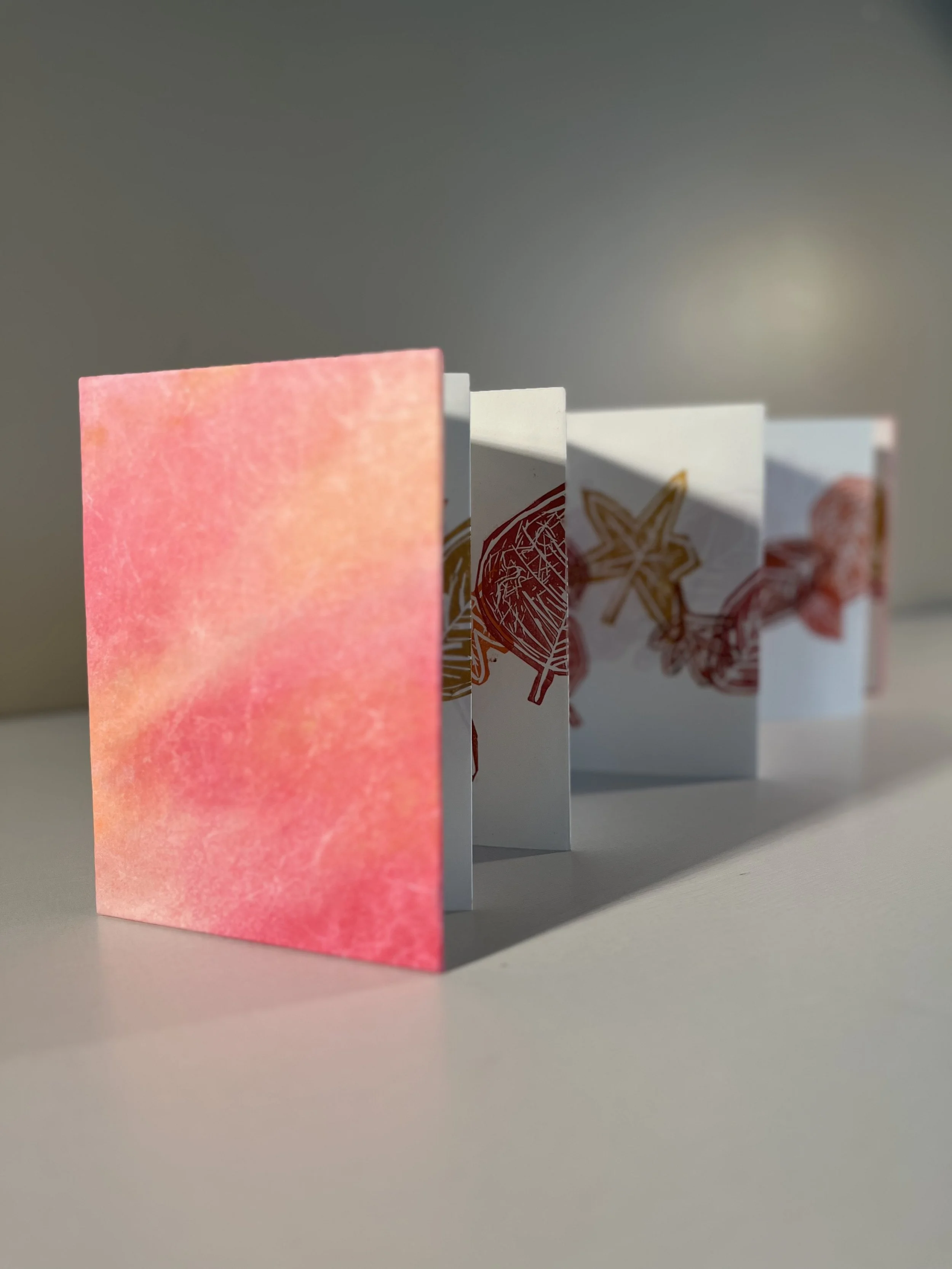
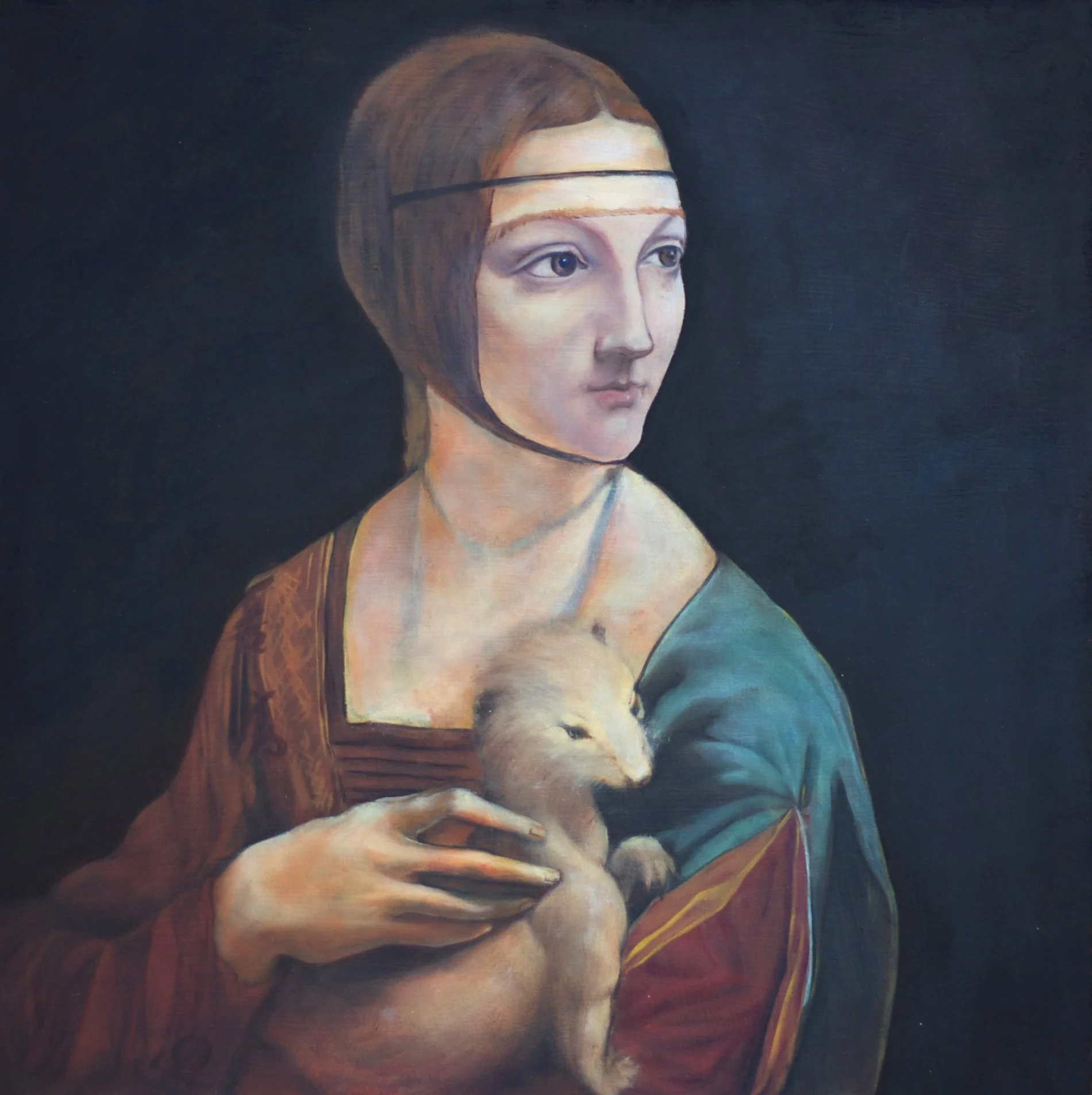
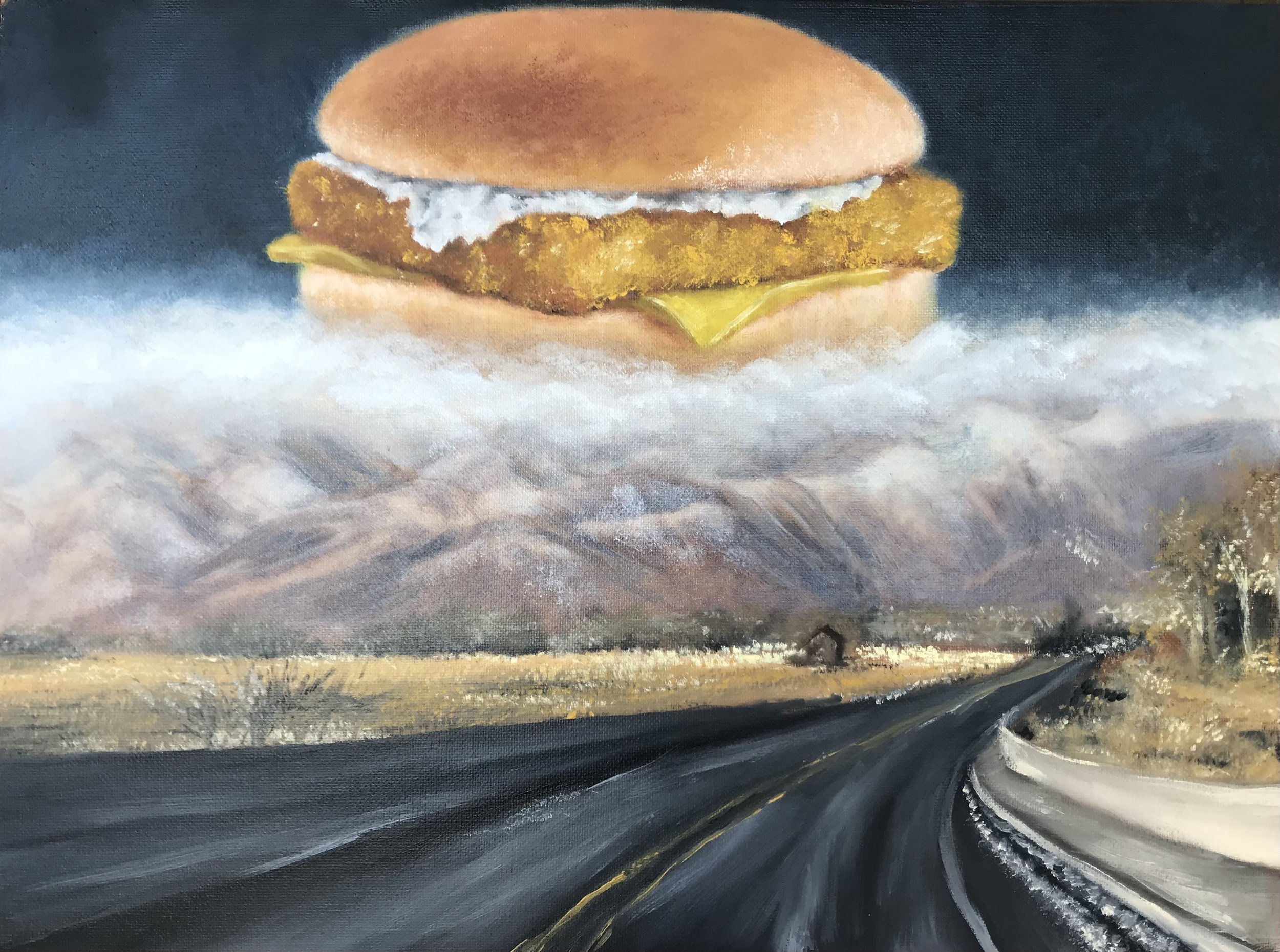
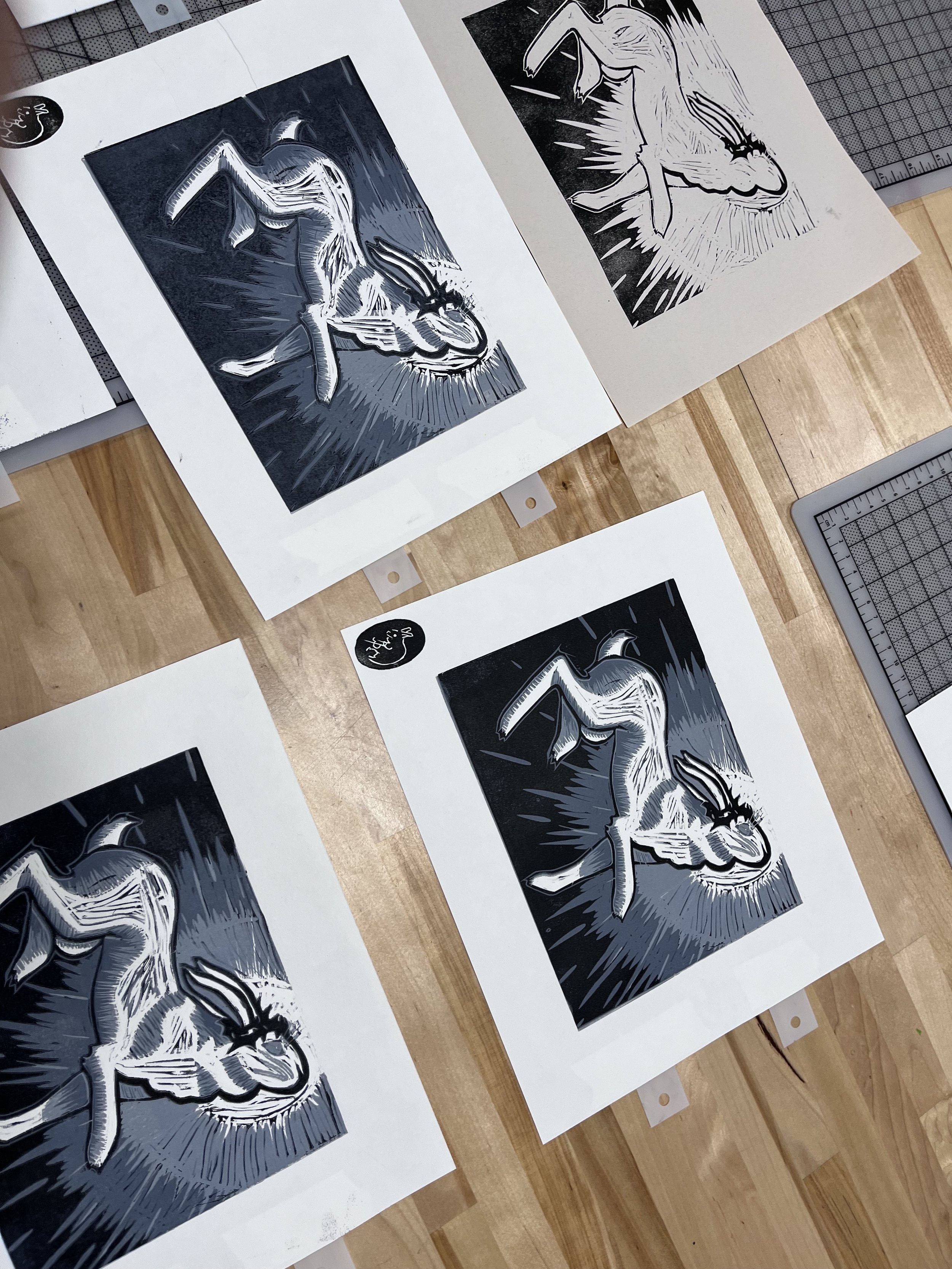
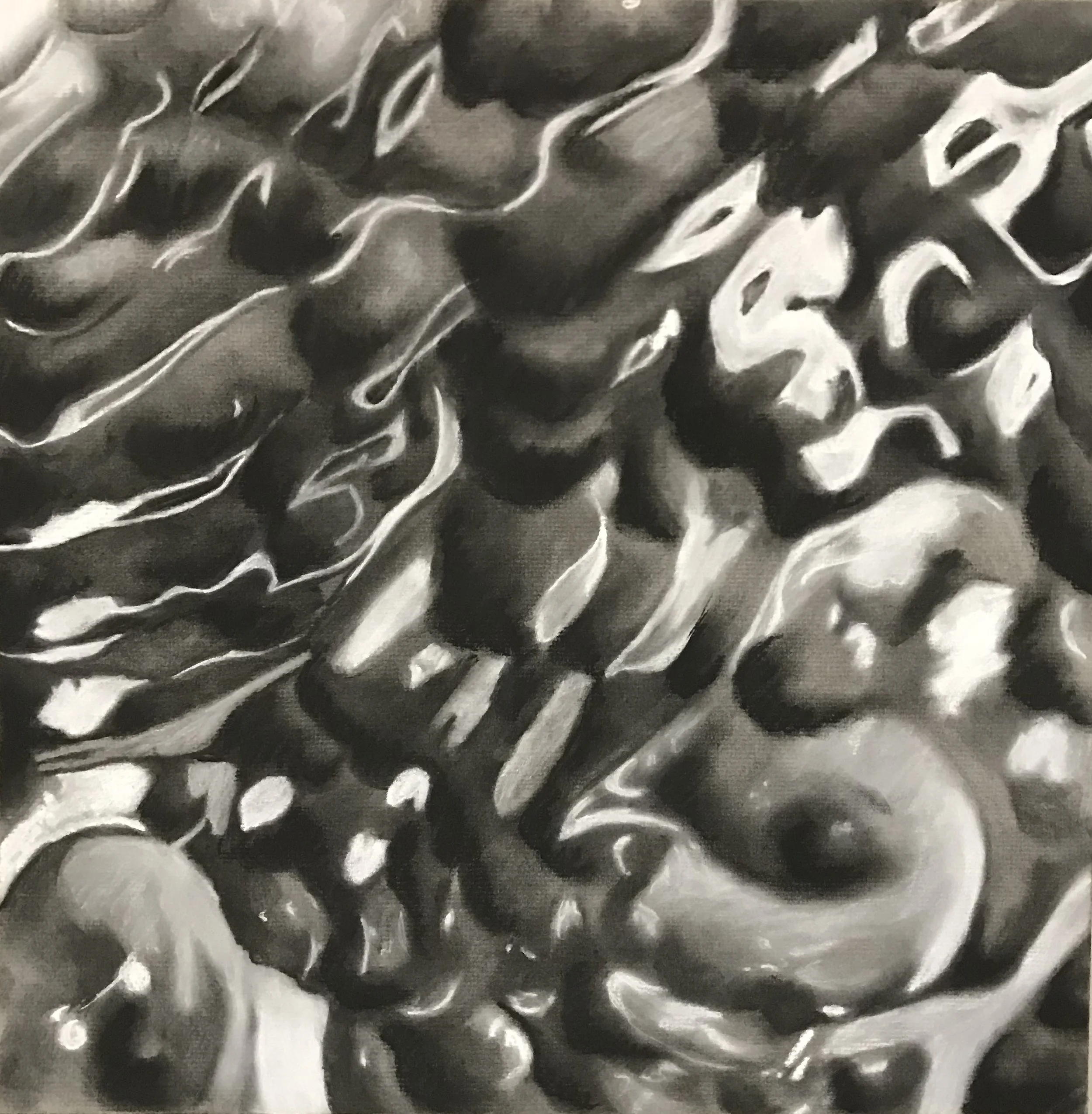
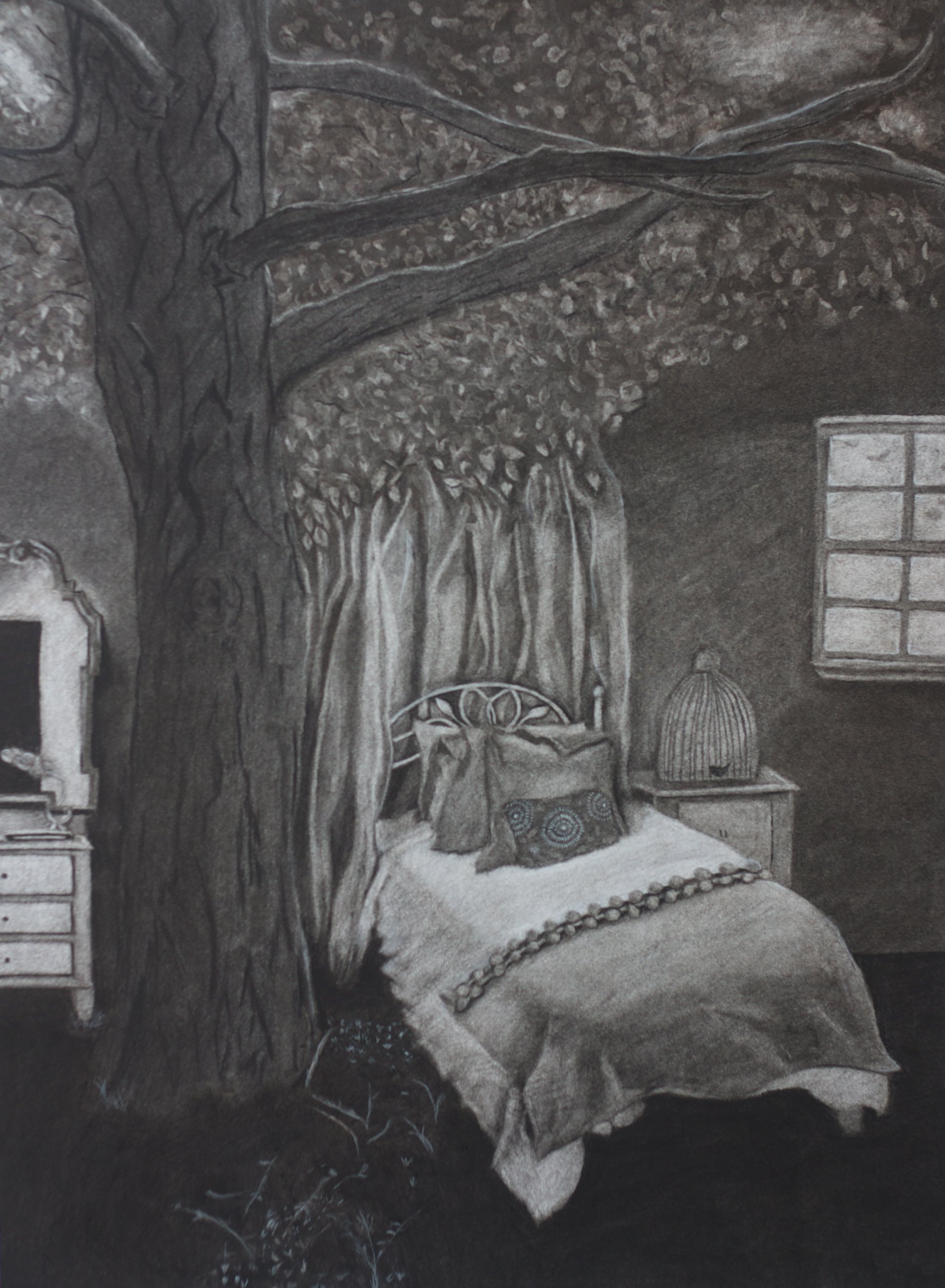
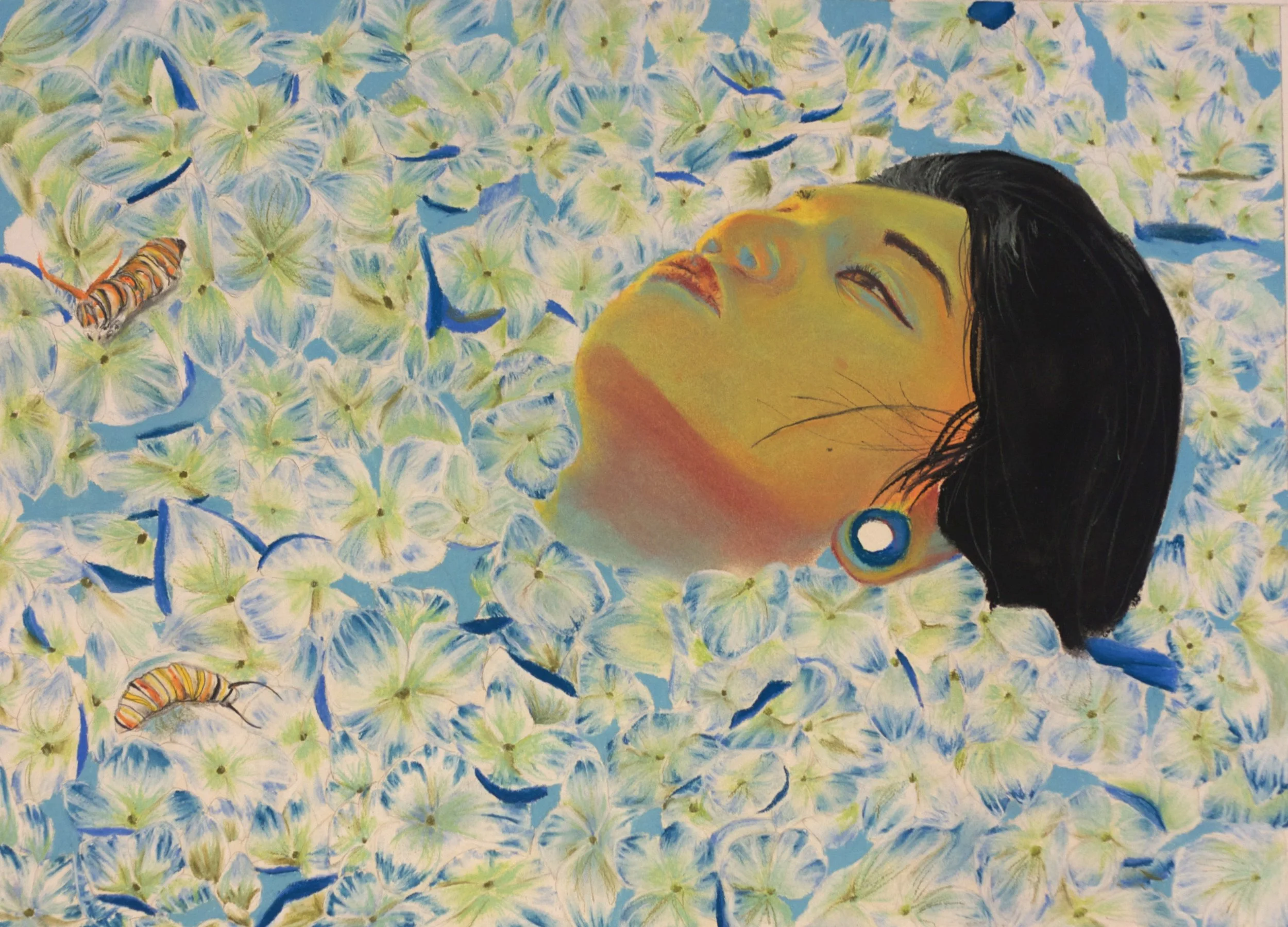
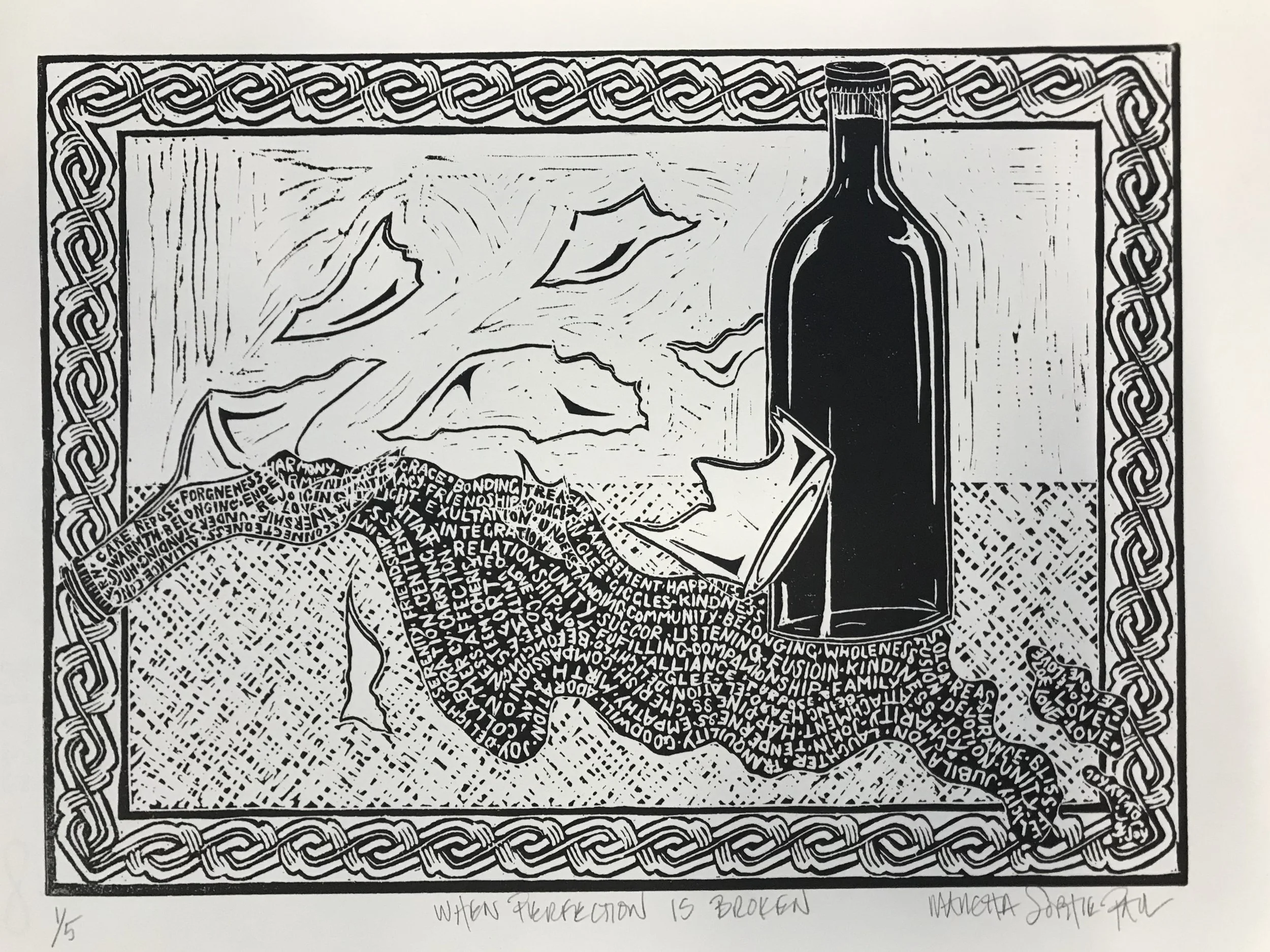
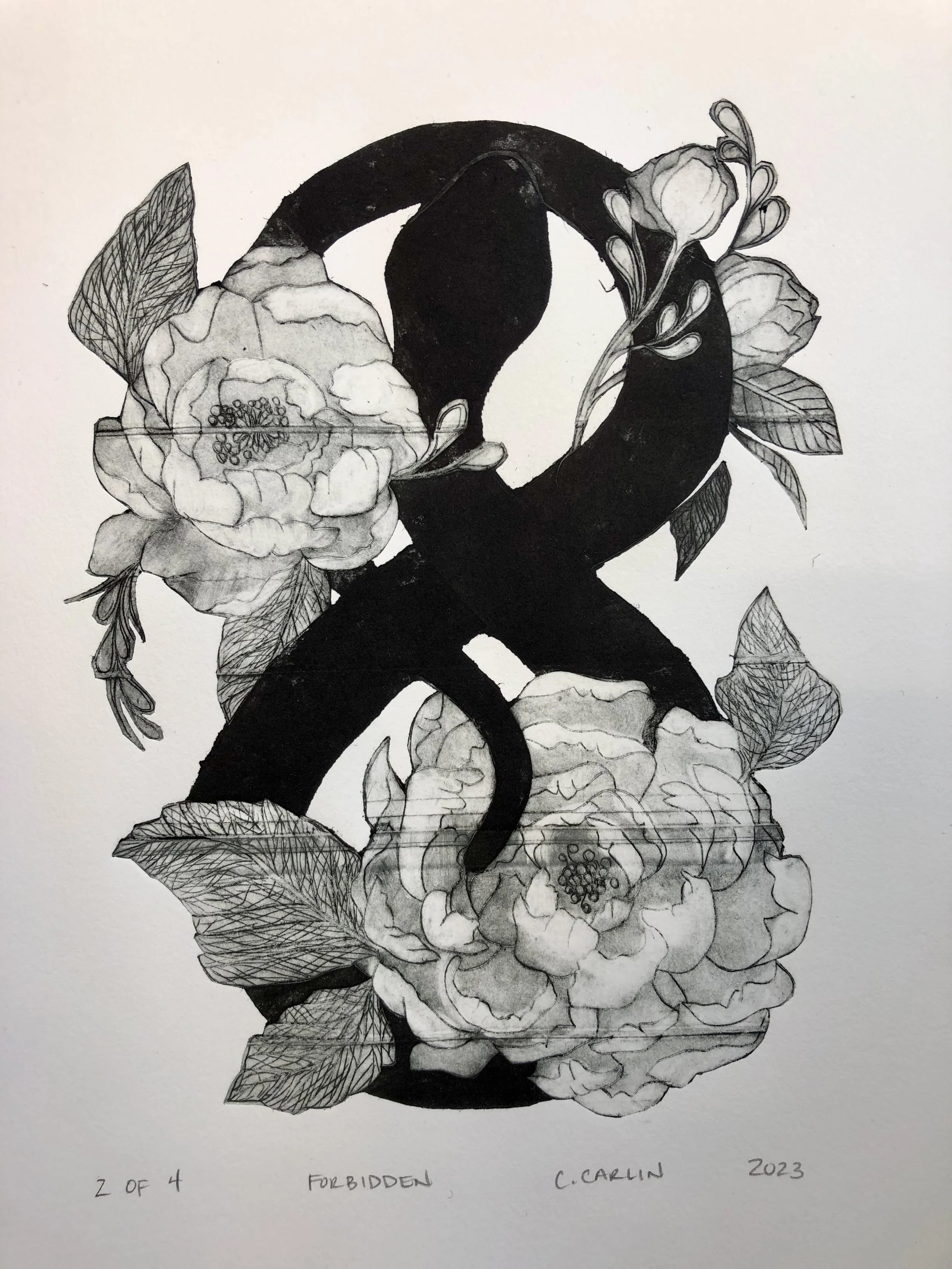
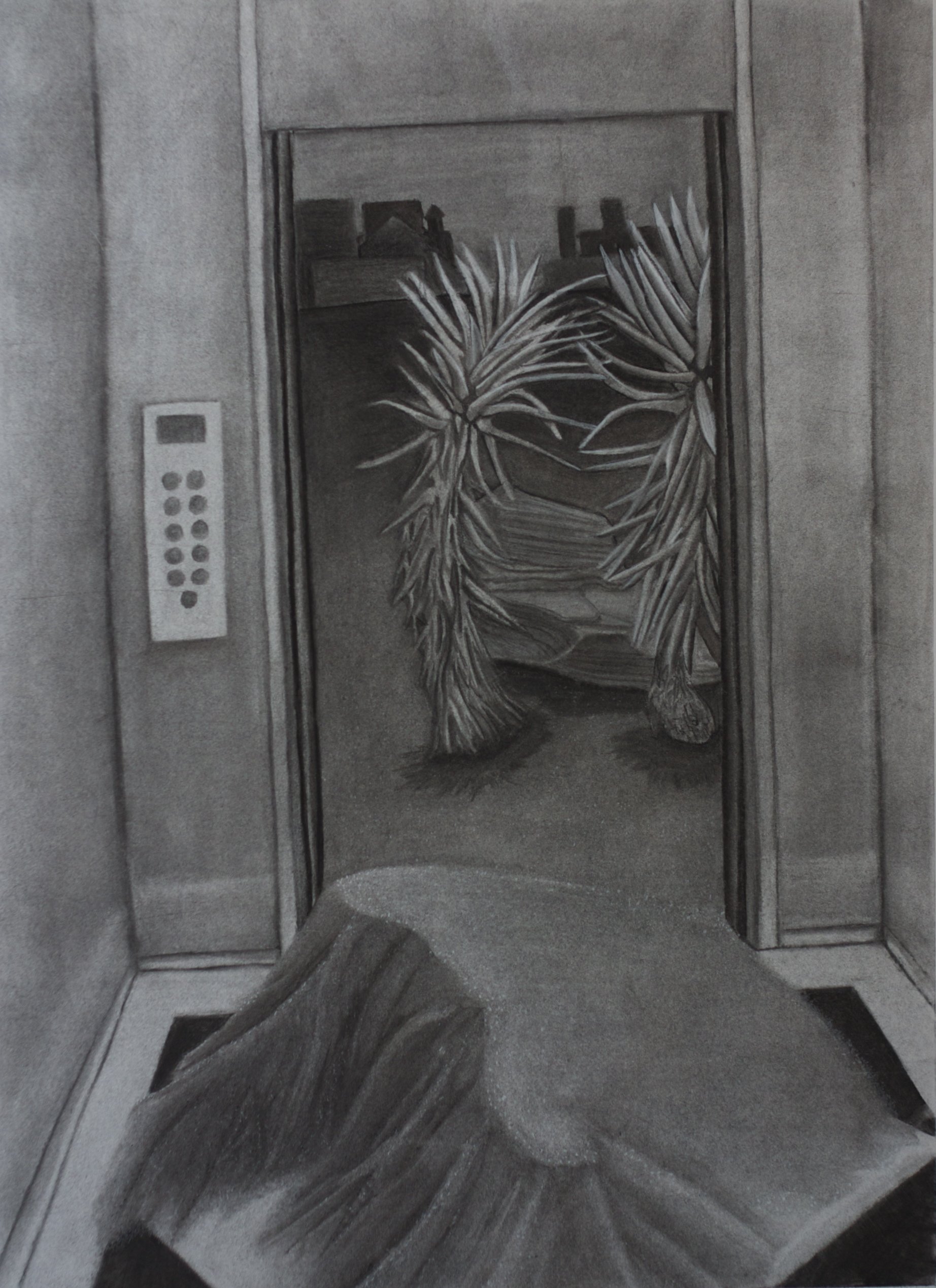
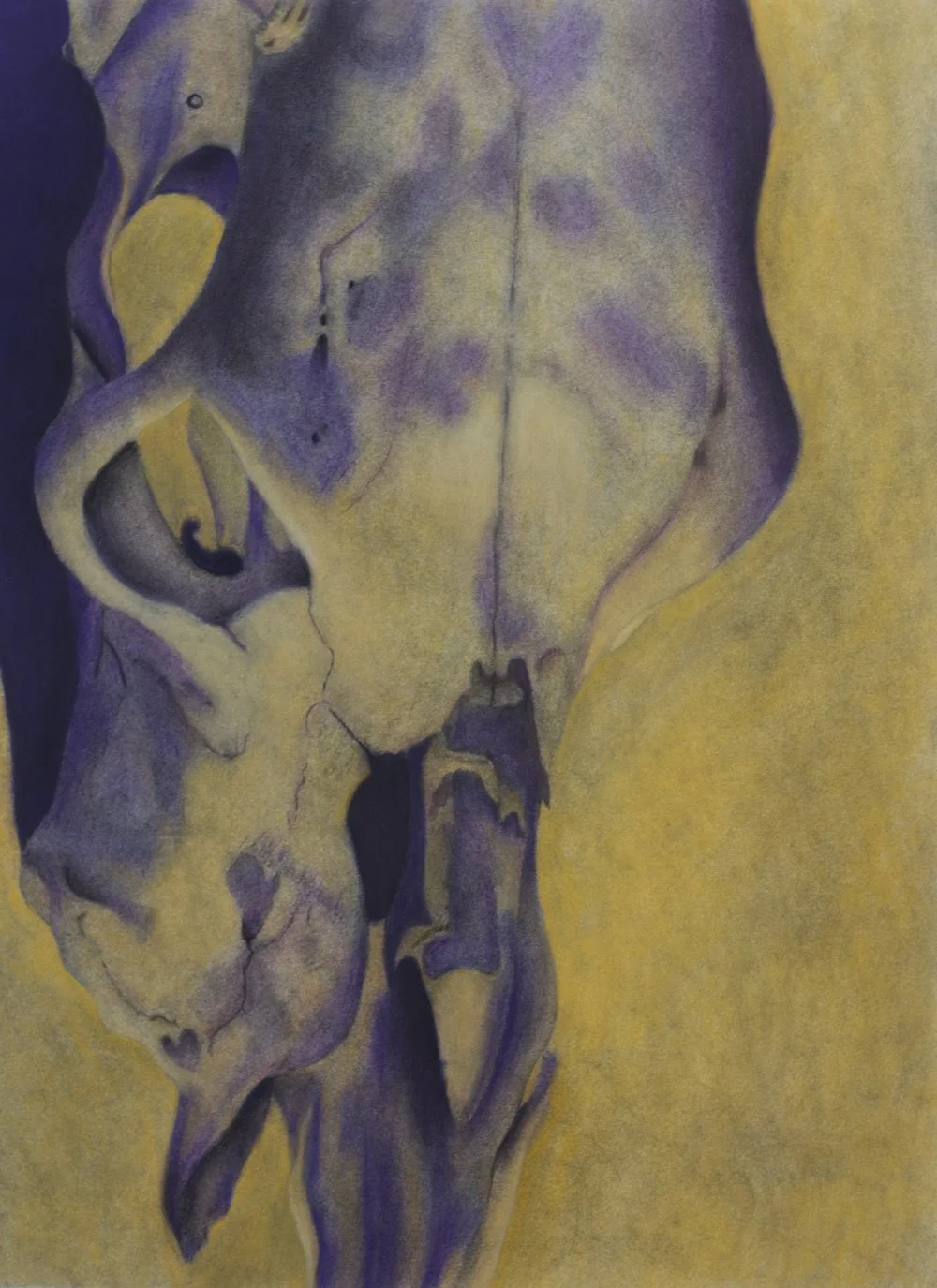
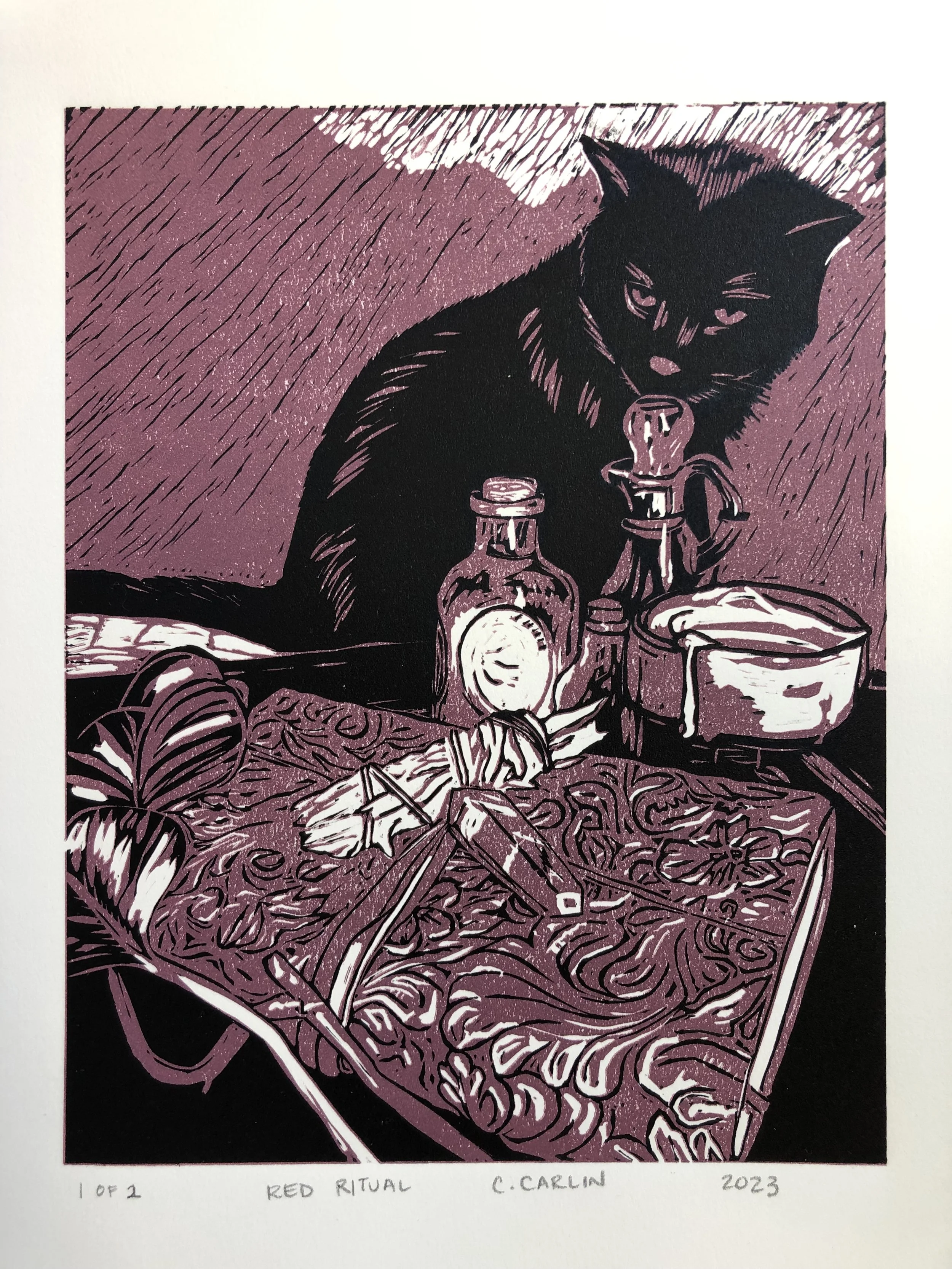
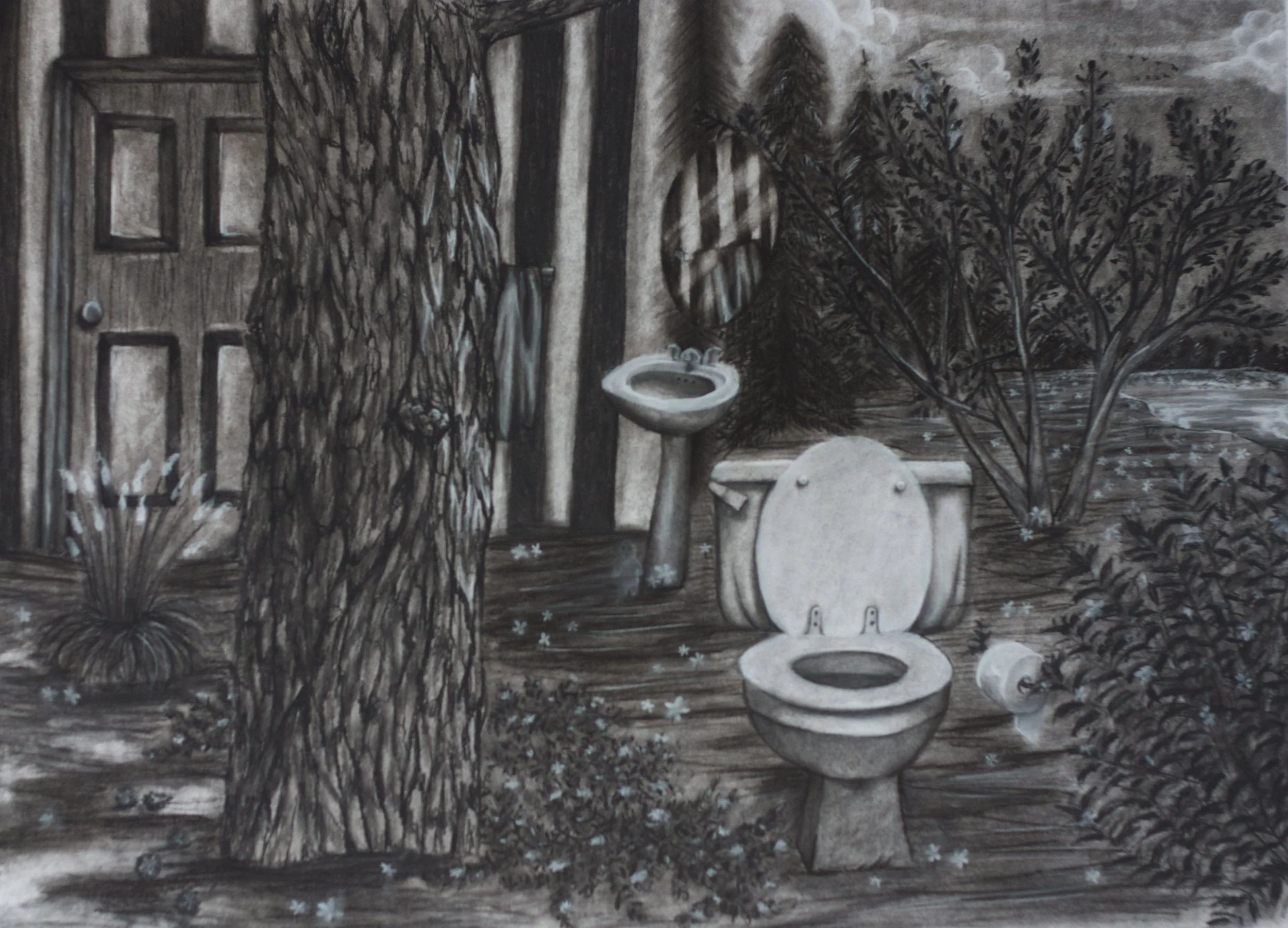
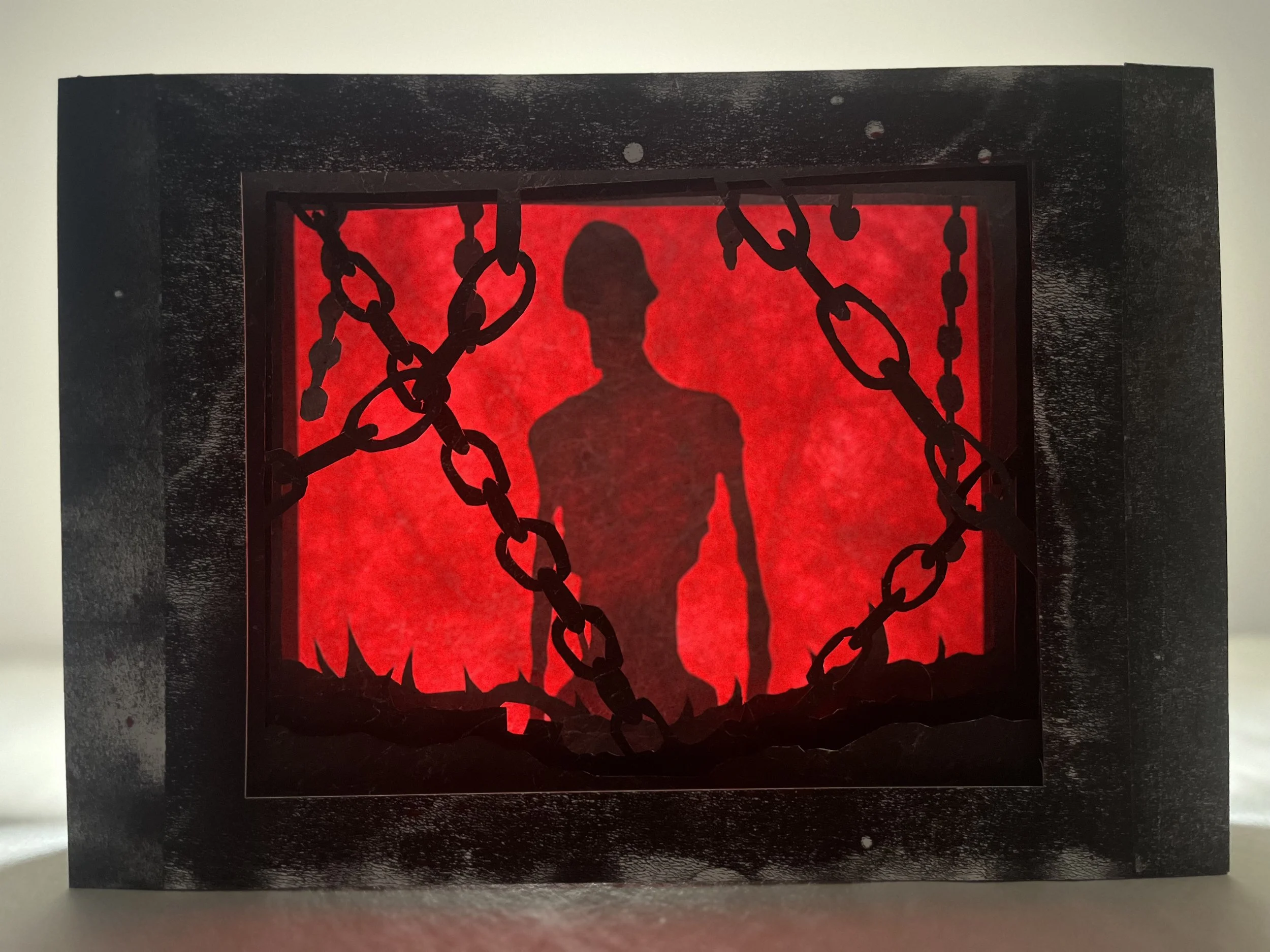
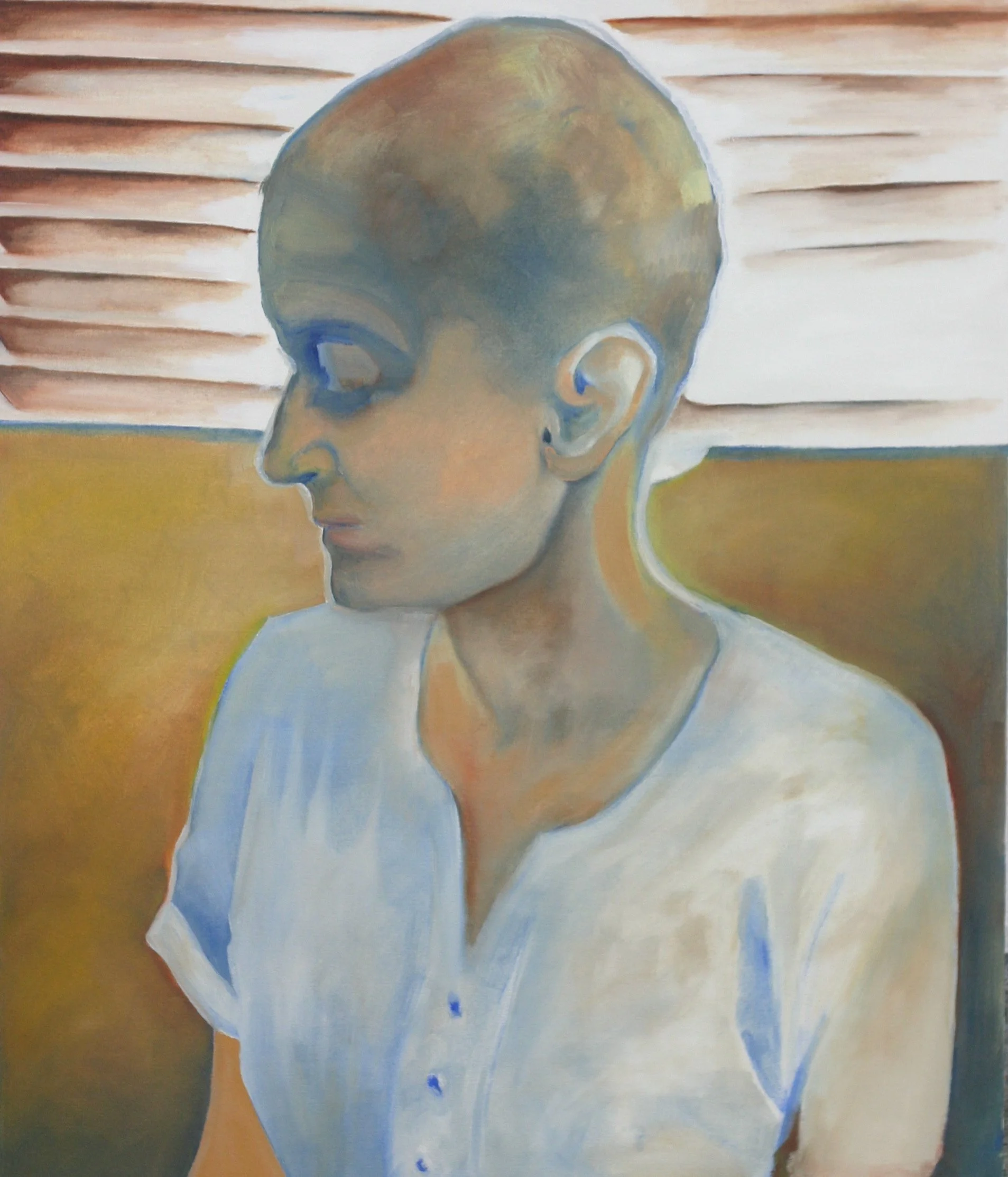
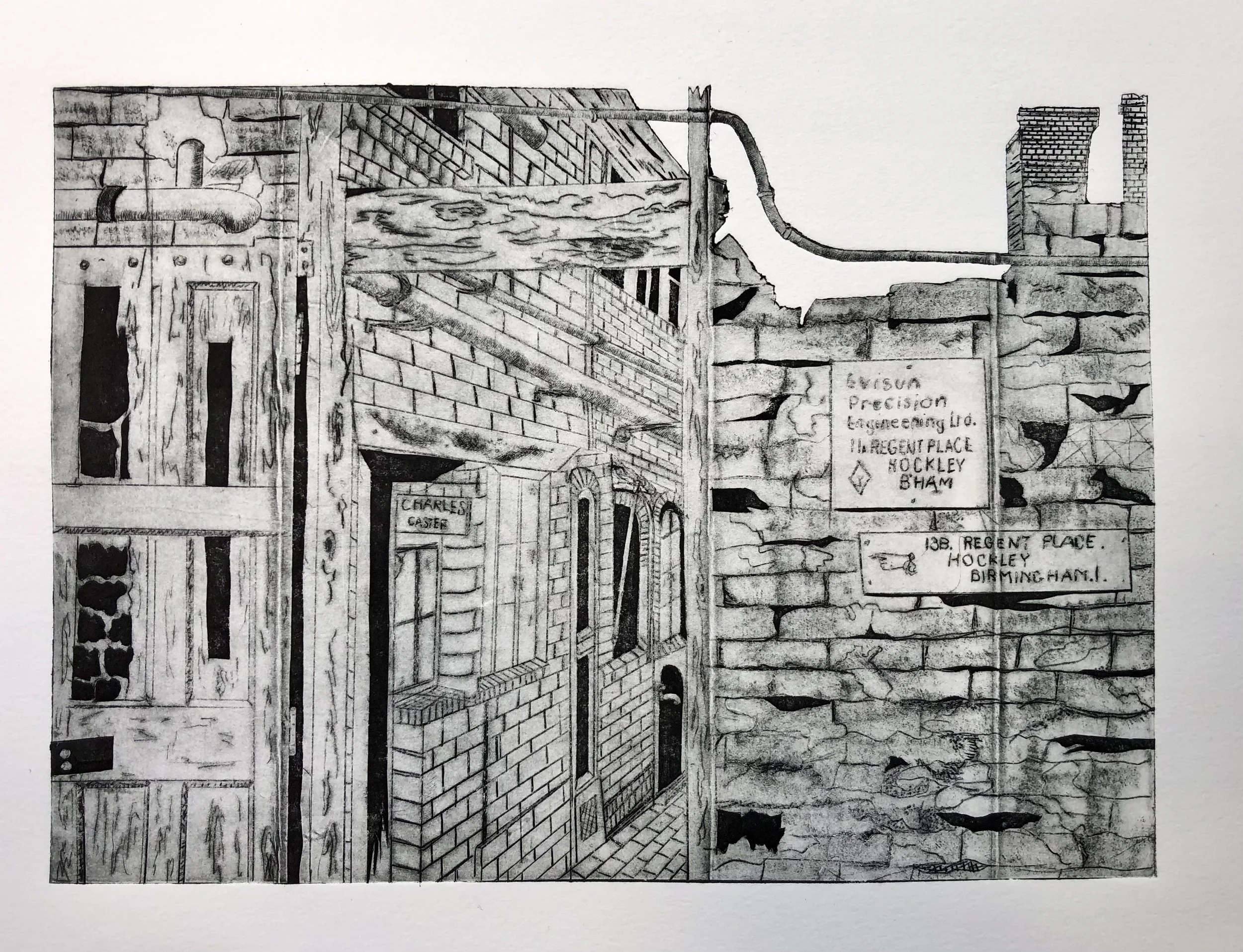
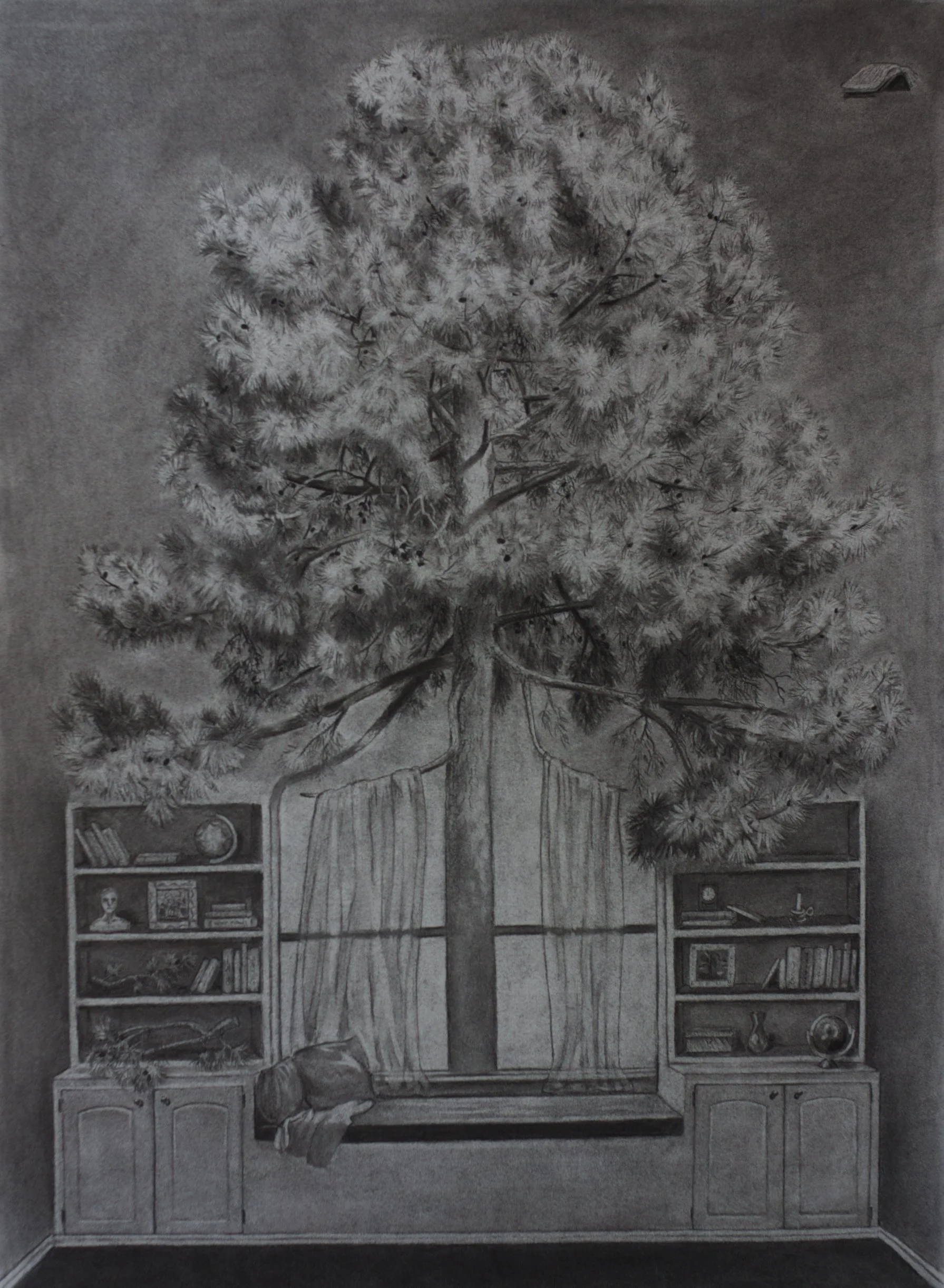
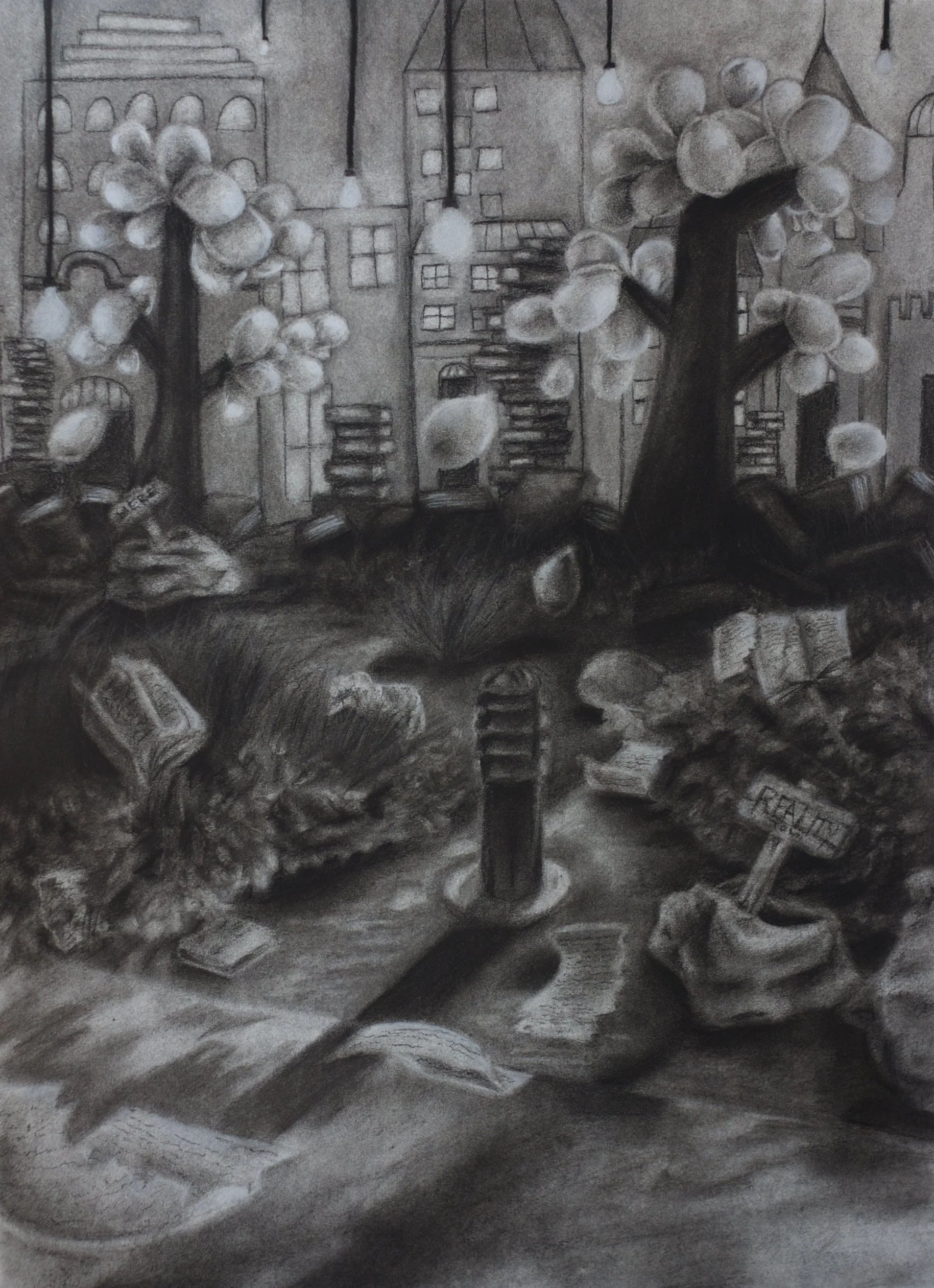
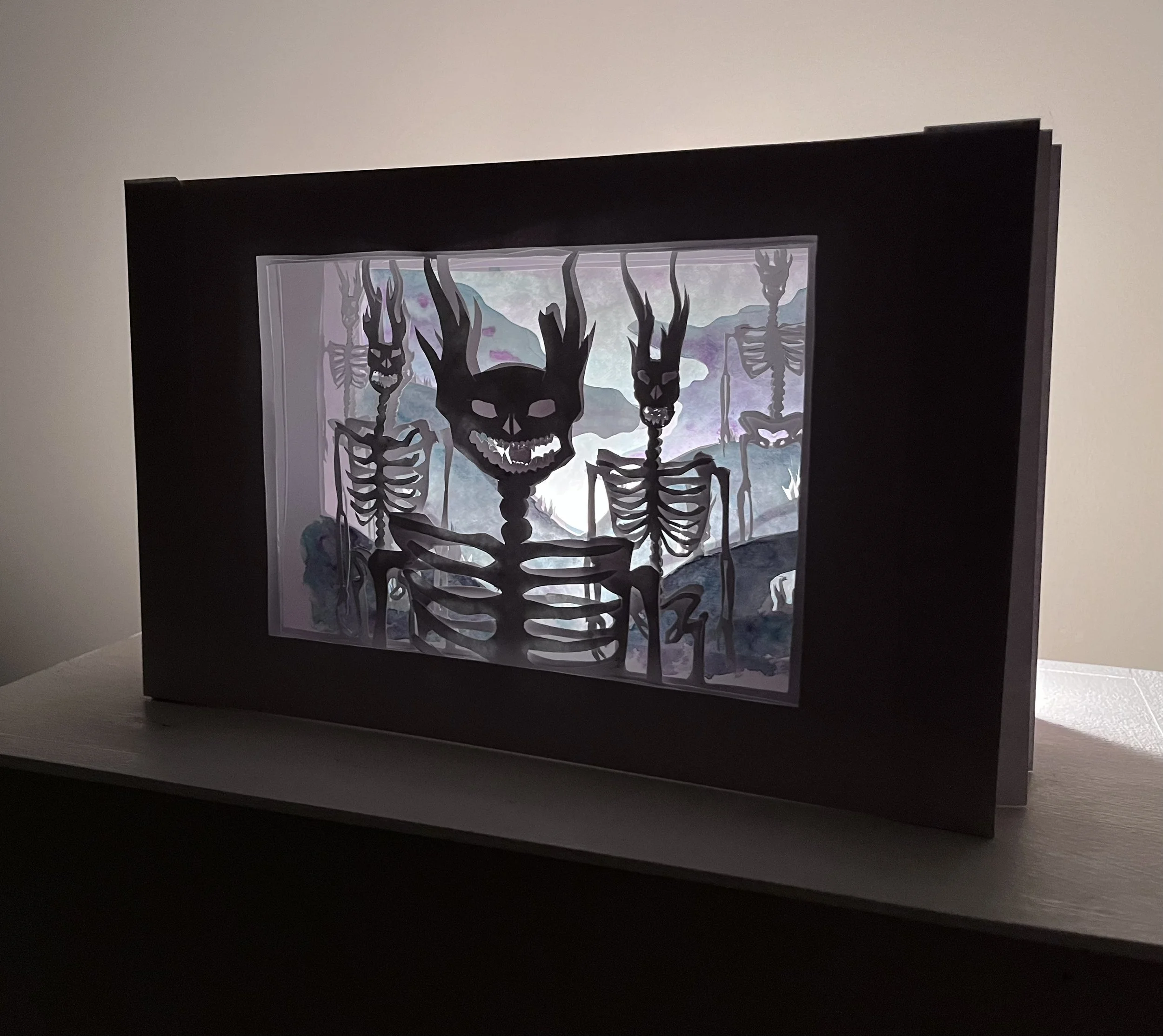
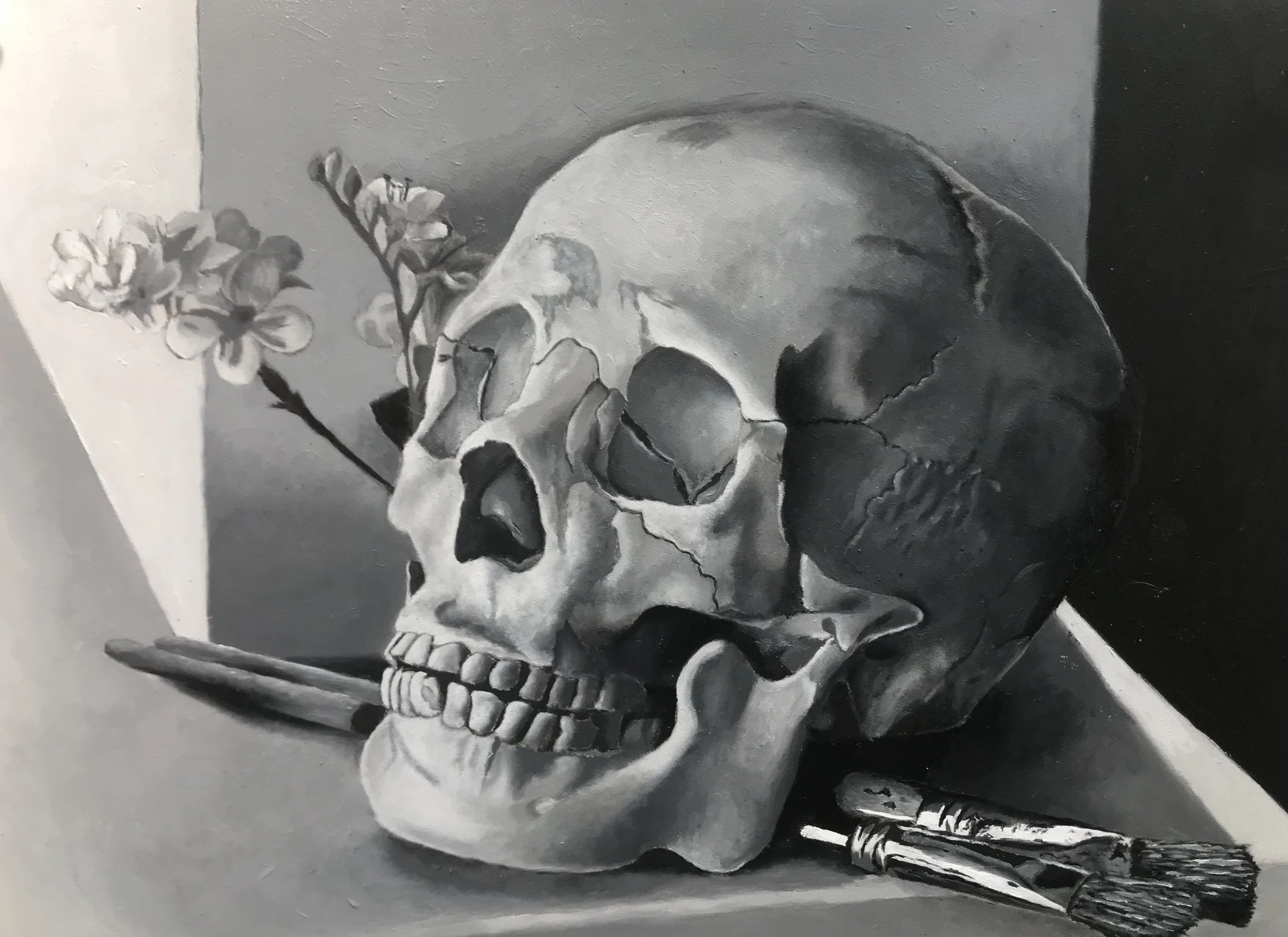
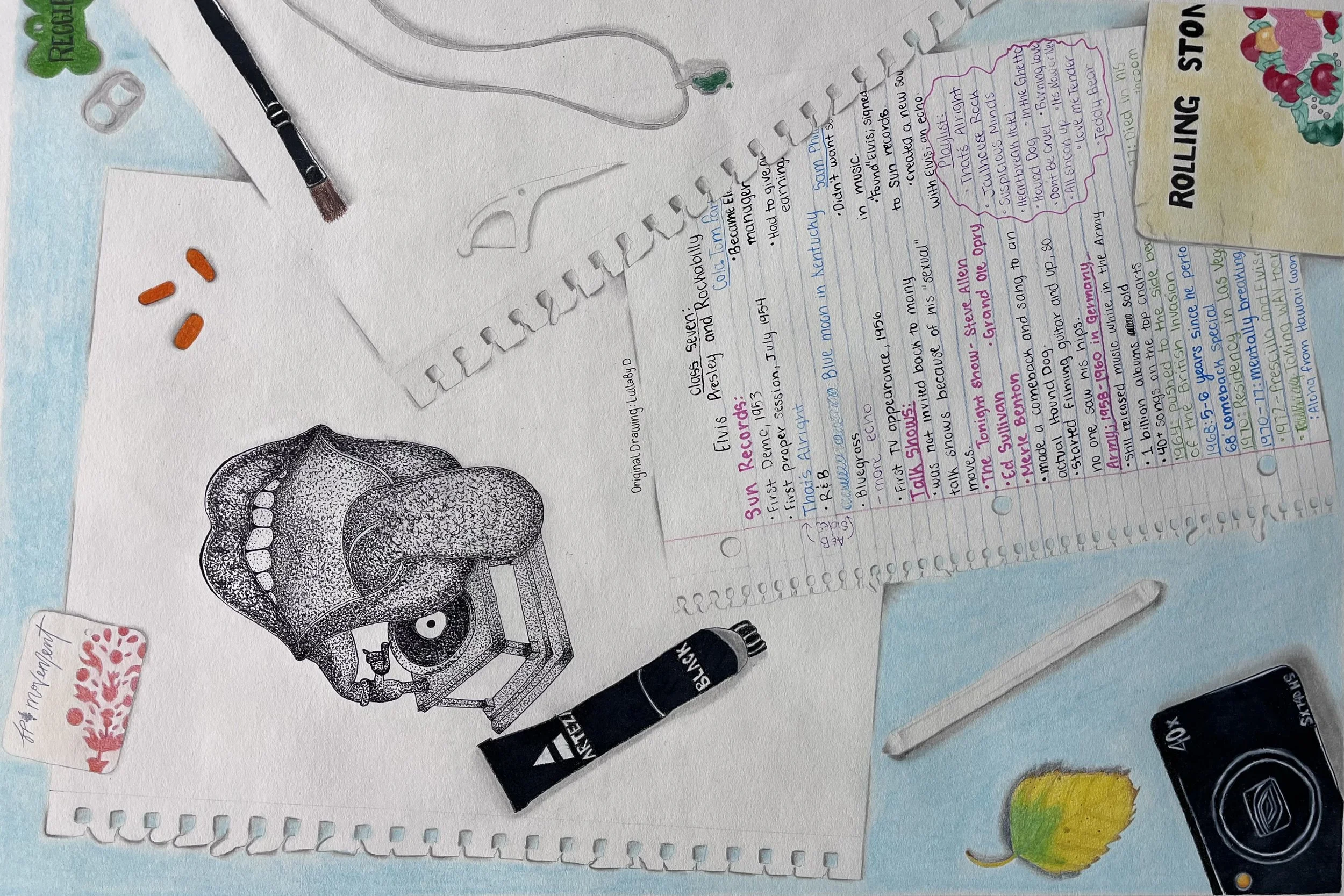
Please see examples of Rachel's student artwork along with her teaching philosophy below.


TEACHING PHILOSOPHY
I understand education as more than the linear completion of academic objectives. Learning reflects a commitment to growth—intellectual, creative, and personal—and is shaped by curiosity, attention, and care. While my courses are grounded in shared principles such as visual language, material process, and critical vocabulary, they are also designed to be responsive to individual learning styles, backgrounds, and goals. I work intentionally to create a classroom environment that is rigorous, inclusive, and supportive, where students feel encouraged to bring their full selves into the learning process.
Process is central to my approach. Students engage in iterative assignments that emphasize observation, experimentation, and revision. Technical demonstrations provide clarity and structure, while open-ended exploration allows students to discover personal methods and visual interests. Risk-taking is normalized and mistakes are framed as essential to learning rather than as failure. Through this approach, students develop resilience, problem-solving skills, and a deeper investment in their work.
Curiosity functions in two directions in my classroom. I remain attentive to how each student learns, adapting instruction and feedback to support growth and challenge assumptions. At the same time, I cultivate student curiosity through questioning rather than prescription. Critiques, discussions, and lectures are structured to encourage independent thinking, active dialogue, and the development of individual perspectives. By supporting difference rather than assimilation, students gain insight into the breadth of artistic possibility and the value of multiple ways of seeing and making.
As an actively exhibiting artist, I bring my professional practice into the classroom through demonstrations, discussion, and example. I model discipline, care, and lifelong learning by maintaining a sustained studio practice alongside teaching. Ultimately, my goal is to empower students to trust their observations, engage critically with the world around them, and take ownership of their learning—skills that remain essential whether students pursue careers in the arts or other fields.